The Sindh government has announced a 7 percent increase in salaries and pensions for government employees in its budget for the fiscal year 2026-27. The budget also sets the minimum monthly wage at Rs43,000, marking a key relief measure for workers amid ongoing inflationary pressures.
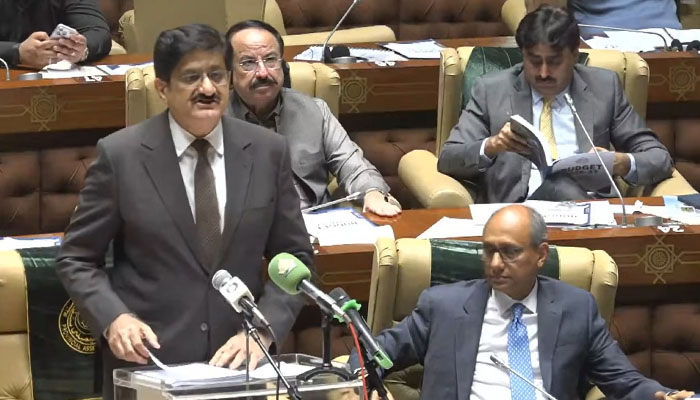
Chief Minister Murad Ali Shah presented the provincial budget, highlighting fiscal priorities focused on social protection, energy access, and infrastructure development. He said the government aimed to provide relief to citizens while maintaining economic stability and avoiding new tax burdens.
Officials said the non-development budget has been proposed at Rs2,560 billion. The province also decided not to include any new development schemes in the upcoming fiscal plan, focusing instead on completing ongoing projects and improving efficiency in public spending.
The budget includes initiatives in education, healthcare, and social services, along with reduced sales tax on educational support services. The government also reaffirmed its commitment to keeping the tax burden unchanged while supporting businesses and households.
In addition, the Sindh government announced major investment plans, including the establishment of a financial center in Karachi and large-scale solar financing programs. Officials said hundreds of thousands of households would benefit from free or subsidized solar energy systems under the new initiatives.
The budget also outlines long-term development plans such as waste-to-energy projects, digital infrastructure expansion, and industrial hubs. Authorities said these measures aim to strengthen economic growth, attract investment, and improve public services across the province.