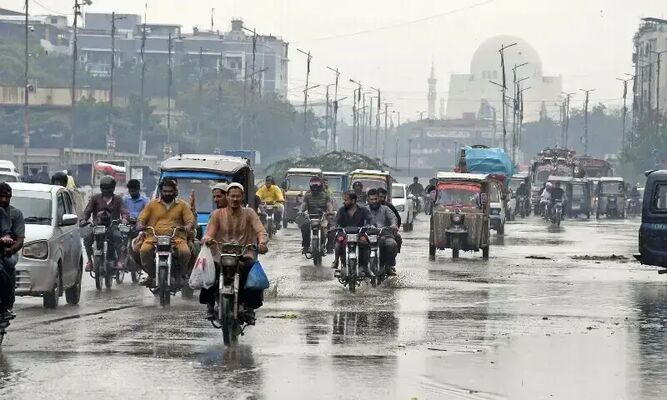
The National Institute of Health (NIH) has issued a nationwide warning over potential disease outbreaks as the monsoon season approaches, urging provinces and local authorities to remain on high alert. The advisory highlights increased risks of waterborne and vector-borne diseases during heavy rainfall and flooding conditions.
According to the NIH, stagnant rainwater and flood accumulation create ideal breeding conditions for mosquitoes, raising the likelihood of dengue and malaria outbreaks. The institute also warned that contaminated water supplies and food exposure during floods could trigger cholera and typhoid infections across affected areas.
To prevent large-scale health emergencies, the NIH has directed provincial governments to strengthen disease surveillance systems and activate rapid response mechanisms. Health authorities have also been instructed to closely monitor high-risk districts and ensure timely reporting of suspected cases.
In addition to infectious diseases, the advisory highlighted other seasonal hazards, including increased incidents of lightning strikes, electrocution, and structural collapses during heavy rains. It further warned that displaced snakes in flooded areas could lead to a rise in snakebite cases, particularly in rural regions.
The NIH has urged hospitals and healthcare facilities to maintain adequate stocks of essential medicines, including anti-snake venom, Oral Rehydration Salts (ORS), and emergency supplies. It emphasized coordinated preparedness efforts to reduce risks and protect vulnerable communities during the monsoon period.