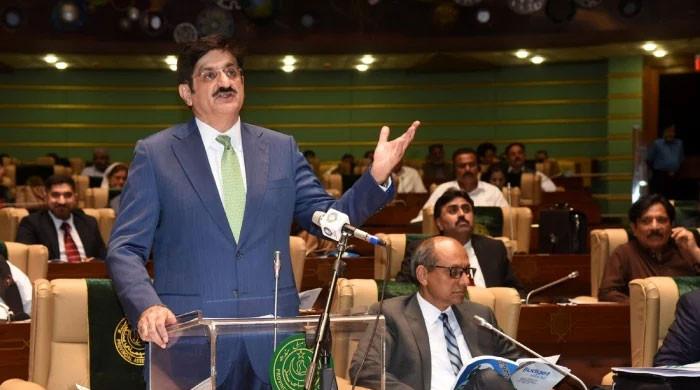
The Sindh cabinet has approved a massive provincial budget of over Rs3.562 trillion for the fiscal year 2026-27, setting the stage for its formal presentation in the provincial assembly. The approval came during a meeting chaired by Chief Minister Syed Murad Ali Shah, where officials reviewed development priorities, sectoral allocations and financial planning for the upcoming year.
According to budget documents, the total expenditure for the next fiscal year is estimated at Rs2.142 trillion, while the development budget has been reduced by 29% compared to the previous year. Despite the reduction, the government has allocated more than Rs720 billion for development projects across multiple sectors, including infrastructure, education and urban development initiatives.
Major allocations reflect a strong focus on social services and governance, with Rs620 billion proposed for education, over Rs393 billion for health, Rs155 billion for local government and Rs41 billion for agriculture. Additionally, Rs222 billion has been earmarked for law and order, highlighting continued investment in public safety and administrative stability.
The Sindh government has also set aside Rs641.05 billion under the Public Sector Development Programme to support ongoing and new projects across the province. Out of this, Rs256.05 billion has been directed toward development works, while Rs15 billion has been reserved for district-level schemes aimed at improving local infrastructure and public services.
Overall, a total of 3,715 development schemes will be implemented across Sindh, targeting infrastructure upgrades, service delivery improvements and regional development. In addition, Rs10 billion has been allocated for Thar coal infrastructure projects, alongside significant funding for irrigation, livestock and fisheries to strengthen key economic sectors.
Meanwhile, the budget places special emphasis on poverty reduction, minimum wage improvements and welfare measures for workers. Further allocations include funds for Karachi mega projects, backward districts and Katcha areas, while officials say the budget aims to balance development needs with social protection and long-term economic stability.