US intelligence officials have reportedly expressed serious concerns about Iran’s willingness to fully implement the proposed US-Iran ceasefire and nuclear understanding, according to a report by Axios.
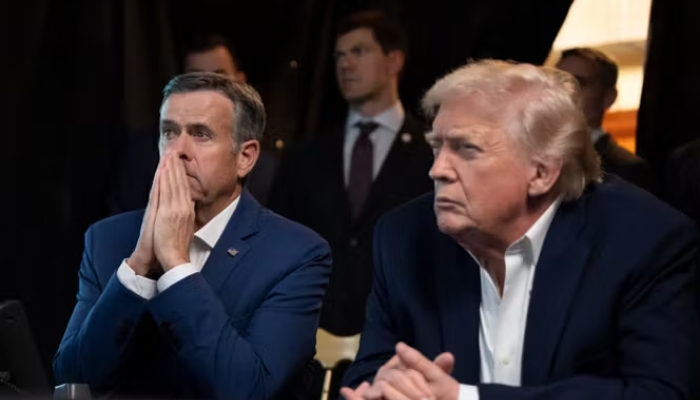
The report states that CIA Director John Ratcliffe briefed President Donald Trump and senior administration officials, warning that intelligence assessments have raised significant doubts about Tehran’s intentions regarding compliance with the proposed agreement.
According to the report, US intelligence agencies believe there may be a discrepancy between Iran’s public negotiating position and private internal discussions. The assessments reportedly prompted extensive debate within the White House ahead of the announcement of a memorandum of understanding aimed at reducing tensions and paving the way for a broader agreement.
US Secretary of State Marco Rubio and Defense Secretary Pete Hegseth are said to have voiced reservations about the proposed arrangement. In contrast, Vice President JD Vance, Special Envoy Steve Witkoff and senior adviser Jared Kushner reportedly support moving forward with the deal.
Sources cited by Axios said intelligence reports reviewed during high-level meetings suggested that Iran’s actual intentions may not fully align with commitments outlined during negotiations. Based on these findings, some senior officials remain skeptical about whether Tehran will ultimately meet all of its obligations.
A White House official, however, defended the memorandum, saying it fulfills key US objectives, including preventing Iran from acquiring nuclear weapons, restricting its ability to retain highly enriched uranium and ensuring that global energy supplies are not threatened.
The official added that President Trump considered a range of viewpoints before making decisions and would only approve a final agreement that adequately protects US interests.
According to US officials, any economic or political benefits offered to Iran will depend on verifiable actions. Washington expects to determine within the next few weeks whether Tehran is serious about implementing nuclear concessions. Failure to do so could lead to a suspension of negotiations and limit any benefits available to Iran.
Reports also indicate that the proposed framework includes provisions related to reopening the Strait of Hormuz, maritime security arrangements and a potential long-term economic reconstruction plan for Iran, contingent on substantial nuclear and economic reforms.
Neither the CIA nor the US State Department commented on the report, while the Pentagon did not immediately respond to requests for comment.