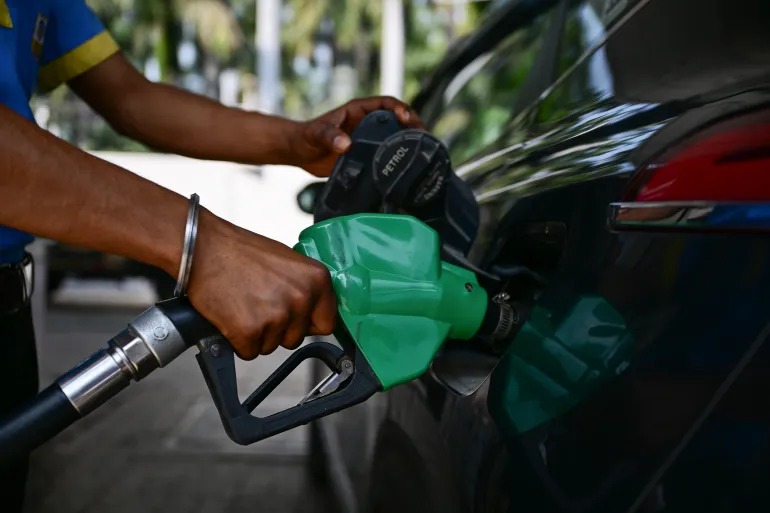
Fuel consumption in the United Kingdom has recorded its steepest decline in six years as rising energy prices linked to the US-Iran conflict continue to pressure households. Motorists have reduced travel and fuel usage as costs surge across transport and essential goods markets.
According to official data released on May 22, petrol and diesel sales fell by more than 10% in April compared to March, marking the biggest monthly drop since November 2020. Moreover, overall retail sales also declined by 1.3%, a figure that exceeded earlier economic forecasts.
Read more : Pakistan pushes fresh US-Iran peace efforts
The sharp fall in fuel demand follows a period of panic buying in March, when drivers stocked up ahead of escalating tensions in the Middle East. In addition, authorities reported that consumers have since begun conserving fuel as prices reached record wartime levels.
Fuel costs have surged significantly, with unleaded petrol averaging 159 pence per litre after rising 26 pence since late February. Furthermore, Brent crude prices remain nearly 70% higher year-on-year, reflecting continued instability in global energy markets linked to conflict in the Strait of Hormuz.
Read more : Trump says US may attack Iran again but that Tehran wants deal
Office for National Statistics data showed that economic pressure is also affecting household spending, as more families rely on savings to manage daily expenses. In addition, consumer confidence surveys indicated that major purchases have fallen to levels last seen in January 2025.
Economists warned that energy bills are expected to rise further, with forecasts suggesting a 13% increase from July 2026 even if geopolitical tensions ease. Consequently, analysts believe UK households will continue facing elevated living costs through the upcoming winter season despite any potential ceasefire developments.