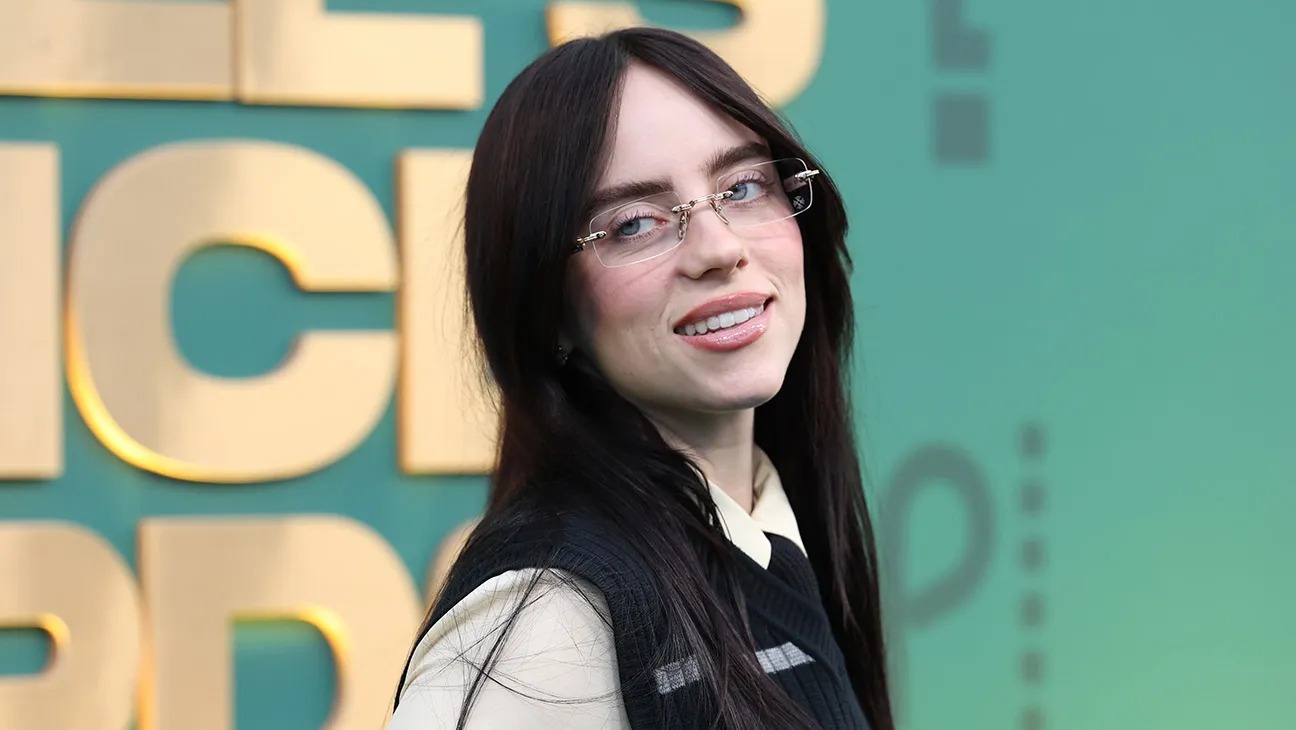
Billie Eilish has openly challenged unrealistic beauty standards, making it clear that she does not support the growing trend of cosmetic procedures aimed at preserving a youthful appearance. Moreover, her comments reflect a broader shift among younger artists who are increasingly promoting authenticity and self-acceptance over perfection.
During her appearance on Good Hang with Amy Poehler, the Grammy-winning singer expressed excitement about growing older, emphasizing that she wants to experience natural changes in her face and body without interference. As a result, her perspective stands in contrast to an industry often focused on maintaining a flawless and unchanging image.
Read more : Billie Eilish ends tour, teases new album –
In addition, Eilish shared a strong personal belief that future family connections should reflect natural identity, explaining that she wants her children to recognize themselves in her features rather than altered versions shaped by cosmetic trends. Therefore, her remarks quickly gained attention online for their honesty and bold rejection of industry norms.
The singer also reflected on her early rise to fame, recalling how she once believed her teenage years defined who she would always be, only to later realize that growth and change are inevitable. Meanwhile, her openness about evolving identity highlights the pressures faced by young celebrities growing up in the public eye.
Read more : Billie Eilish says her queer identity was ‘obvious’
Furthermore, Eilish spoke candidly about living with Tourette Syndrome, describing the constant effort required to suppress tics during interviews and public appearances. Consequently, she revealed that releasing that tension afterward can be overwhelming, offering rare insight into the daily challenges of managing the condition.
Ultimately, Eilish’s comments combine personal vulnerability with a clear stance against unrealistic beauty expectations, reinforcing her image as an artist who values honesty over conformity. Thus, by addressing both physical appearance and mental health, she continues to influence conversations around self-acceptance in modern culture.