)
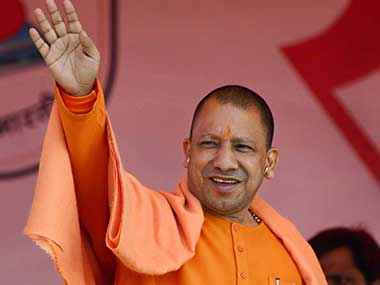
Yogi Adityanath, the Chief Minister of Uttar Pradesh, has made controversial remarks targeting the Muslim community, claiming that his government would identify and remove Muslims from the state.
Read More: Pakistan slams UP CM’s statement about taking back ‘Sindhu’
Speaking during a public address in Assam, Adityanath asserted that the Bharatiya Janata Party (BJP) could cleanse Assam of what he referred to as “Muslim infiltrators,” and indicated that a similar approach would be applied in Uttar Pradesh. He claimed that each Muslim would be identified and expelled, sparking outrage among human rights groups and opposition parties.
Adityanath also warned that no one in Uttar Pradesh would be allowed to offer prayers on public streets, and loud recitations from places of worship would be prohibited. He framed these measures as part of the government’s broader effort to regulate public spaces and maintain order, though critics argue it specifically targets the Muslim community and violates constitutional freedoms.
His statements have drawn widespread condemnation from political analysts and civil society organizations, who view them as inflammatory and discriminatory. Concerns have also been raised about potential social unrest and violations of minority rights in the state.
Uttar Pradesh, India’s most populous state, has a substantial Muslim population, and such statements from a senior political leader risk increasing communal tensions. Opposition parties, including the Indian National Congress and regional groups, have demanded that the federal government intervene and ensure that constitutional protections for all citizens are upheld.
Read More: Punjab CM announces diesel subsidy for farmers
Observers say Adityanath’s remarks reflect a continuing pattern of communal rhetoric by some politicians in India, which could further polarize communities ahead of upcoming elections. Rights organizations have called for dialogue and legal scrutiny to prevent actions that could harm social cohesion.