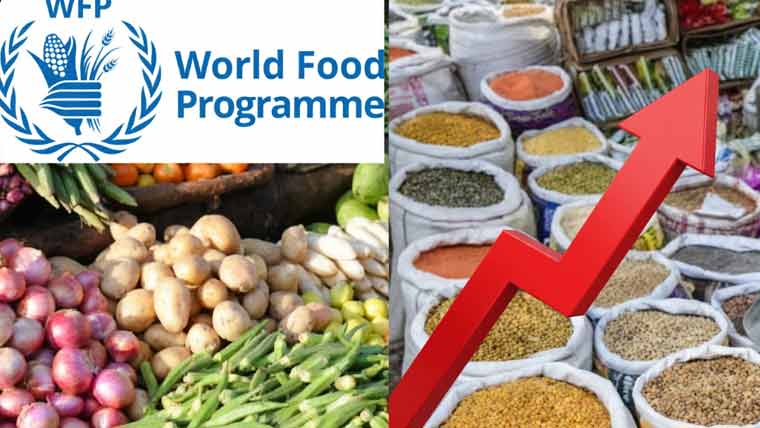
Global food prices rose sharply in March, driven mainly by rising energy costs, affecting consumers worldwide. The Food and Agriculture Organization (FAO) reported a 2.4% increase compared to February, highlighting impacts on essential commodities such as sugar and vegetable oils. Rising costs also affected grains, meat, and dairy products, adding pressure on global food markets.
FAO said the price surge is linked to higher energy costs, especially due to ongoing conflicts in the Middle East. Increased energy expenses raise production, transport, and fertilizer costs, which in turn push food prices upward. Analysts warn that continued energy price volatility could further escalate global food inflation.
Read more: FAO Food Price Index drops for third month in a row
Sugar and vegetable oil markets experienced the largest increases, while grains, meat, and dairy saw moderate growth. The report noted regional supply constraints as another contributing factor, particularly in areas facing logistical challenges or adverse weather conditions.
The FAO emphasized that rising global food prices may disproportionately affect low- and middle-income countries, where households spend a larger share of income on essential food items. Policymakers are urged to monitor the situation and adopt measures to mitigate impacts on vulnerable populations.
Read more: Global commodity prices to hit six-year low by 2026: World Bank
The organization continues to track commodity trends closely, warning that ongoing energy and supply disruptions could sustain high food prices for months. Consumers and governments alike are advised to prepare for potential volatility in international food markets.