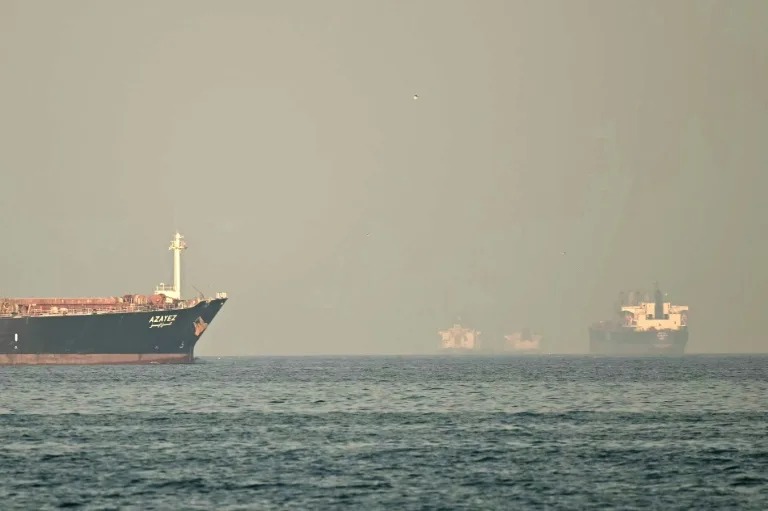
Around ten vessels operating in or near the Strait of Hormuz have come under attack since Iran blocked the vital waterway following US and Israeli strikes, according to maritime data analysts. The incidents have occurred over the past week and have sharply disrupted one of the world’s most important shipping routes. Security alerts issued by international maritime agencies suggest that both commercial ships and assistance vessels have faced growing risks in the region. As tensions escalate, global shipping companies are increasingly avoiding the area.
The Strait of Hormuz is considered one of the most strategically important maritime routes in the world because a significant share of global energy supplies passes through it. Analysts estimate that nearly 20 percent of global oil and liquefied natural gas shipments normally transit the narrow waterway each day. However, tanker traffic has dropped dramatically since the attacks began, with some estimates showing a decline of nearly 90 percent within a single week. Shipping data also indicates that only a handful of commercial vessels have crossed the strait recently.
Read more : Iran waits for US escort as Strait of Hormuz tension escalates
International maritime agencies have documented multiple attacks on ships during the past several days. The International Maritime Organization reported nine incidents within one week, including four attacks that resulted in seven deaths. According to available records, ships such as the Skylight, MKD Vyom, Stena Imperative and Hercules Star were struck on March 2. Additional vessels including the Libra Trader, Gold Oak, Safeen Prestige and Sonangol Namibe were targeted in the following days.
On March 6, another attack reportedly struck the vessel Mussafah 2, killing four people according to initial reports. Indonesian authorities later confirmed that a ship matching the vessel’s description sank shortly after the incident. Officials reported that three Indonesian crew members were missing, while one injured survivor and four crew members of other nationalities were rescued. Maritime security analysts said the ship had been attempting to assist another damaged vessel when it came under missile attack.
Read more : Oil tanker navigates Strait of Hormuz amid Iran conflict –
Security experts warn that ships attempting to help damaged vessels could face additional danger in the region. Maritime monitoring groups have observed a pattern in which anchored ships, drifting vessels and rescue ships appear to be targeted. Analysts believe these attacks aim to create uncertainty and discourage commercial shipping rather than completely destroy vessels. As a result, many shipping companies have begun delaying or rerouting cargo shipments through safer alternative routes.
Meanwhile, Iran has delivered mixed messages regarding the situation in the Strait of Hormuz. A senior Revolutionary Guards commander warned earlier that Iran could block all Gulf oil exports and target ships attempting to cross the waterway. However, Iran’s foreign minister later stated that the country has no intention of fully closing the strait. In response to the growing risks, international leaders have begun discussing plans to protect shipping lanes vital to the global economy.