 The dawn of 2026 marks a chilling milestone in India’s socio-political history. The recent release of the India Hate Lab (IHL) 2025 Annual Report paints a picture of a nation where secularism is no longer being eroded at the edges but is being dismantled at its core.
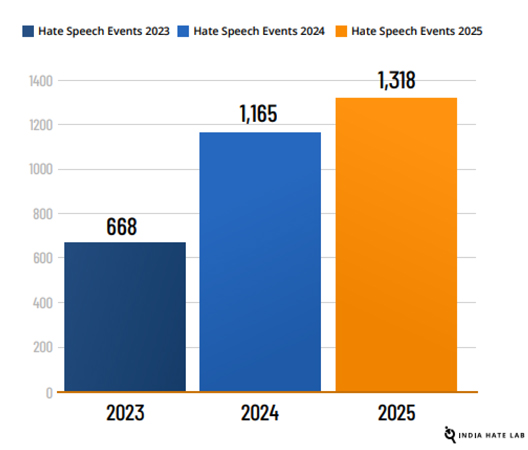
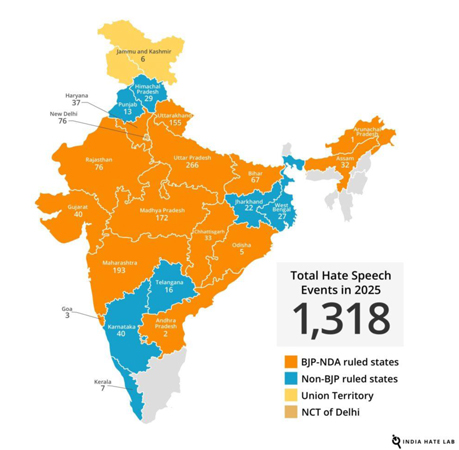
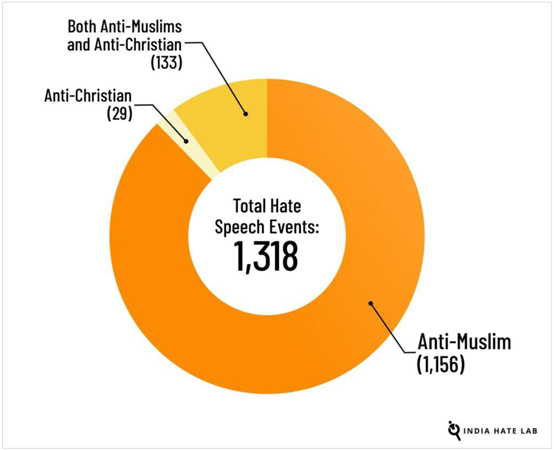
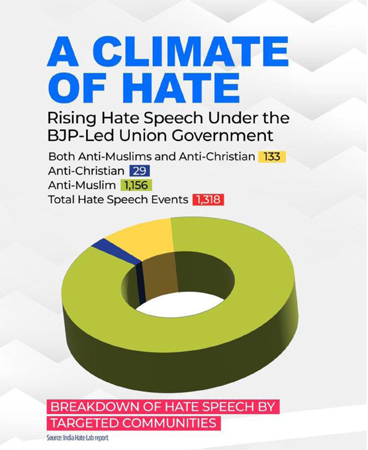
With 1,318 verified hate speech events in 2025 alone- a nearly 97% increase since 2023-India is witnessing the institutionalization of a “Hindu Rashtra” (Hindu State) narrative that transforms minority communities into “internal enemies.”
The Architecture of Hate: From Rhetoric to Reality
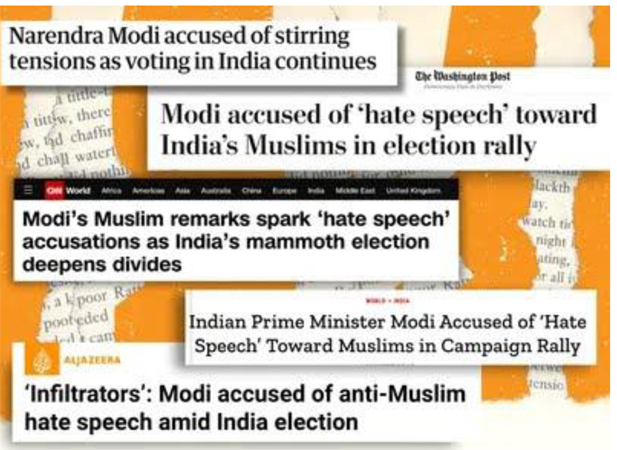
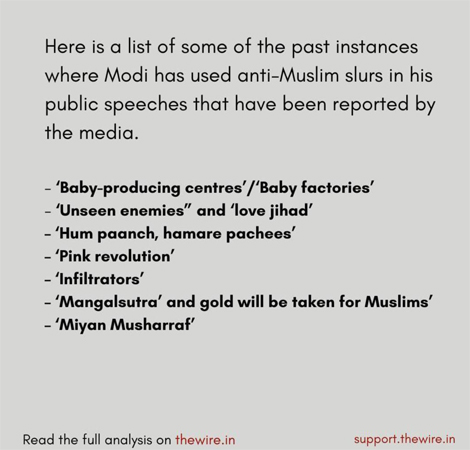
The surge in hate speech is not a series of isolated outbursts; it is a calculated, top-down strategy starting from Narendra Modi to an ordinary Hindutva worker.
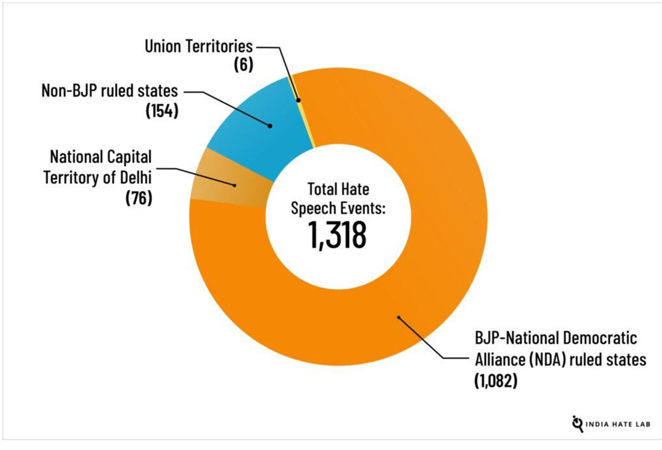
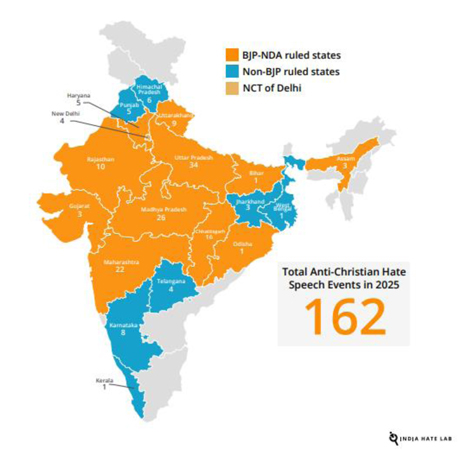
According to the IHL report, 88% of documented hate events occurred in states governed by the Bharatiya Janata Party (BJP). This geographical concentration suggests that hate is being used as a “continuous mode of governance” rather than a mere electoral tool.
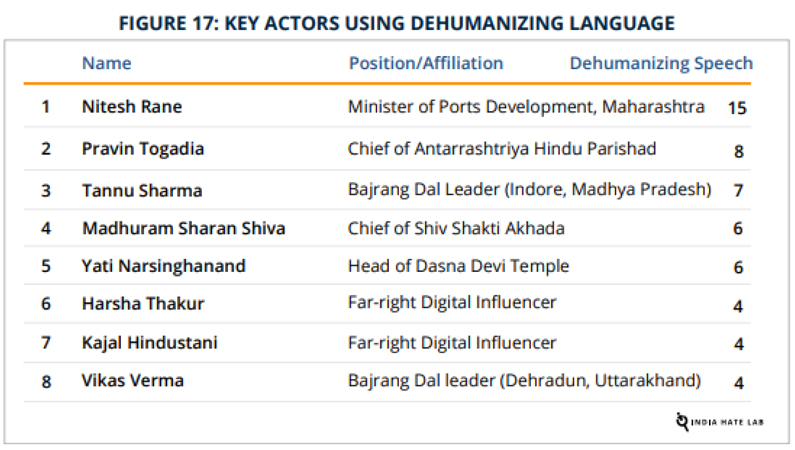
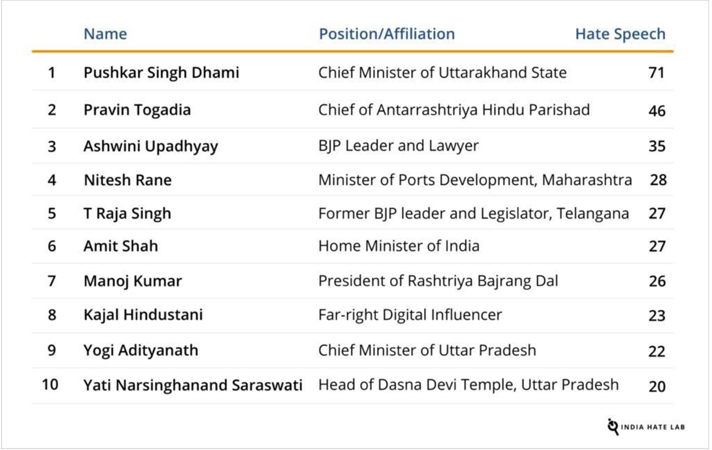
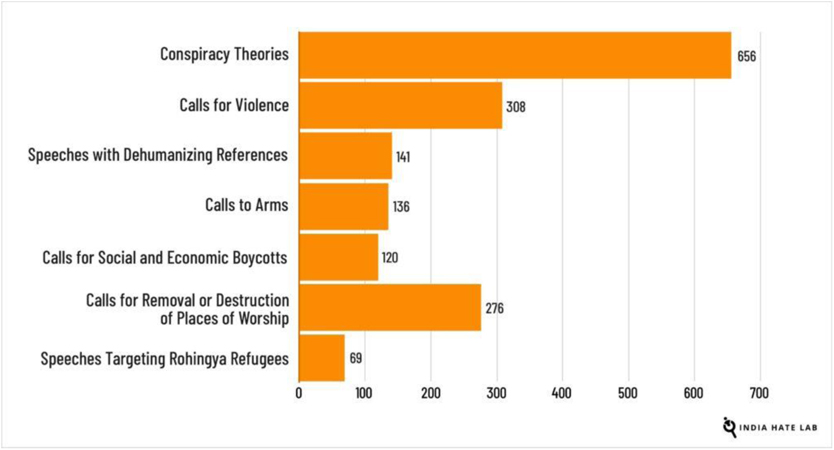
The rhetoric has evolved into what experts call stochastic terrorism. By using dehumanizing labels- referring to Muslims and Christians as “termites,” “parasites,” and “zombies”-political and religious leaders create an environment where violence by “emboldened mobs” becomes predictable yet remains technically unsanctioned by the state.
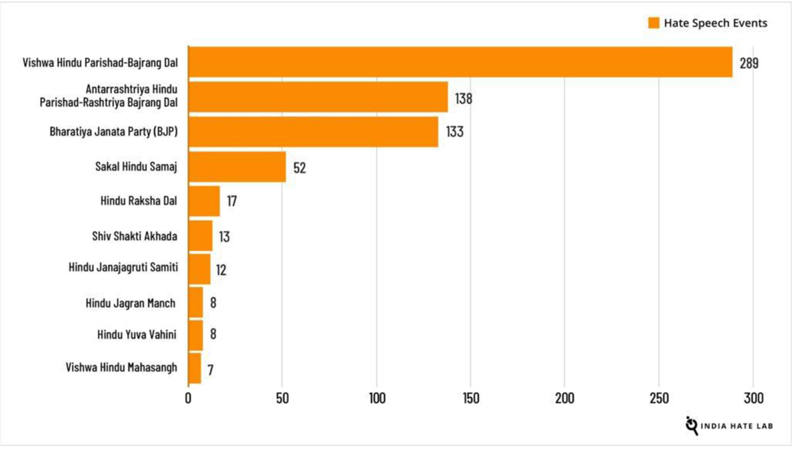
Vishwa Hindu Parishad (VHP) and Bajrang Dal emerged as the most frequent organizers, linked to 289 hate speech events (22 percent), followed by Antarrashtriya Hindu Parishad (138 events). More than 160 organizations and informal groups were identified as organizers or co-organizers in 2025.
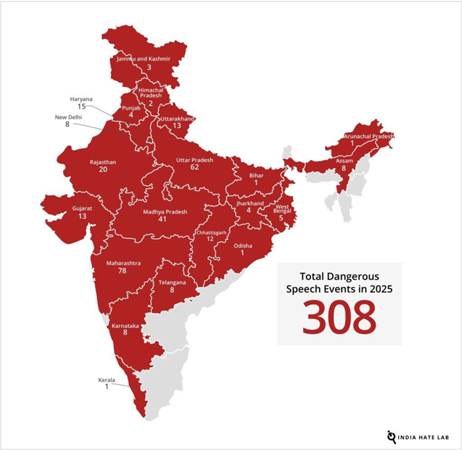
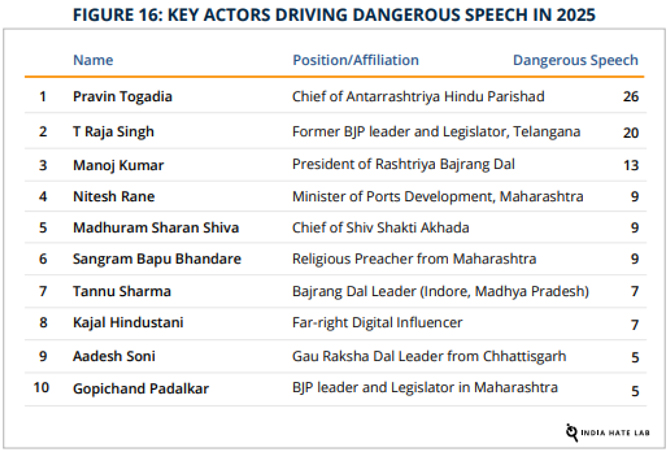
The transition from words to action is visible in the rising frequency of “bulldozer justice,” where minority owned properties are demolished under the guise of administrative legality following communal tensions.
Muslims & Christians under Siege
While Muslims remain the primary targets (98% of events), 2025 saw a dramatic 41% spike in anti Christian rhetoric.
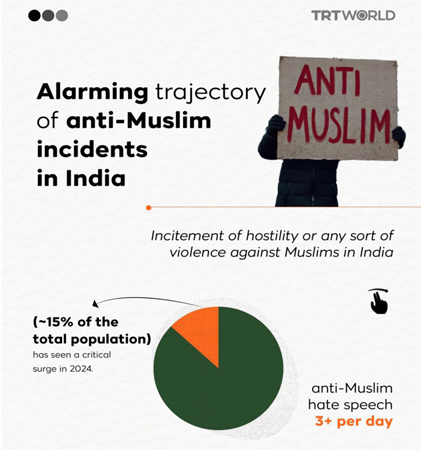
The narrative has shifted to frame both communities as existential threats:
Muslims are cast as “demographic invaders” through tropes like “Love Jihad” and “Population Jihad.”
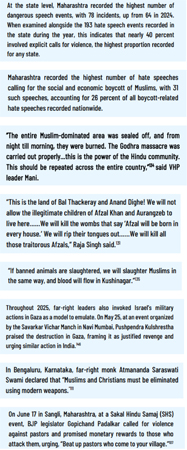
Christians are vilified through “forced conversion” myths, often referred to as “rice bag conversions,” leading to increased disruptions of prayer services and attacks on schools.
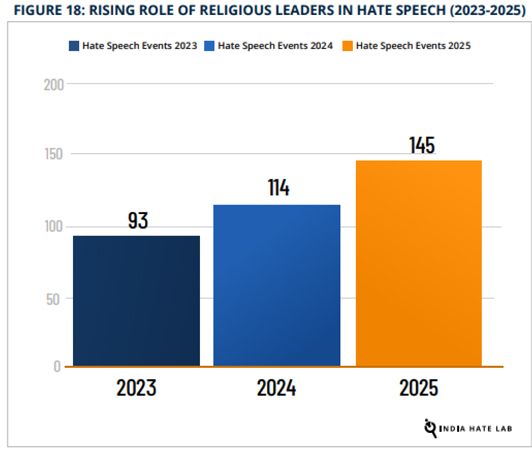
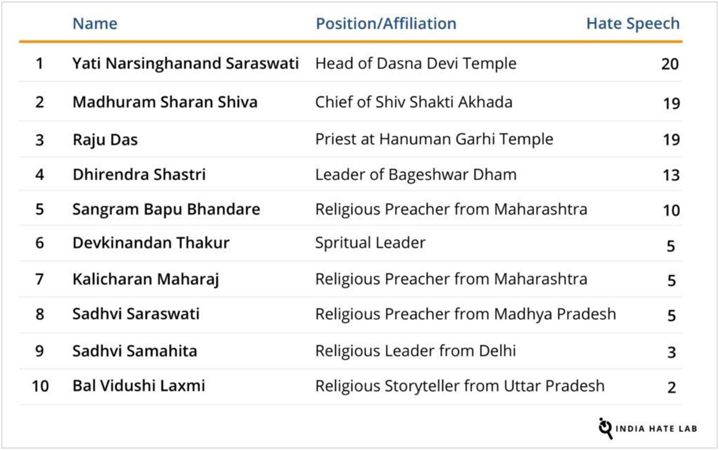
This binary-Hindu vs. The Rest-is reinforced by nearly 145 religious figures who have traded spiritual discourse for political vitriol, lending a divine sanction to exclusionary ideologies.
The Institutional Vacuum & the
New Jim Crow
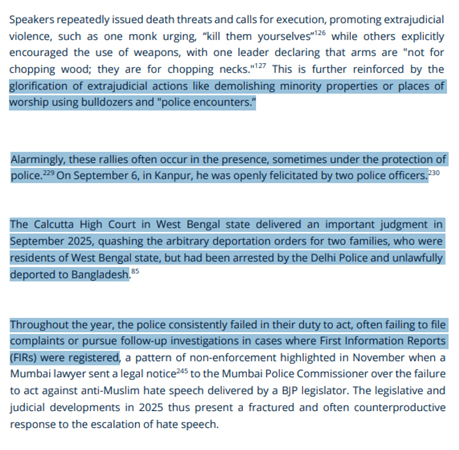
A critical factor in this surge is the total collapse of institutional checks. The IHL report highlights that the police rarely intervene, and the judiciary has largely remained a silent spectator to the normalization of hate.
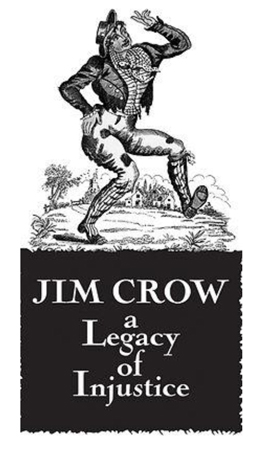
Analysts increasingly compare the current state of Indian minorities to the Jim Crow era in the United States, where exclusionary laws and vigilante violence were used to relegate a community to second-class citizenship.
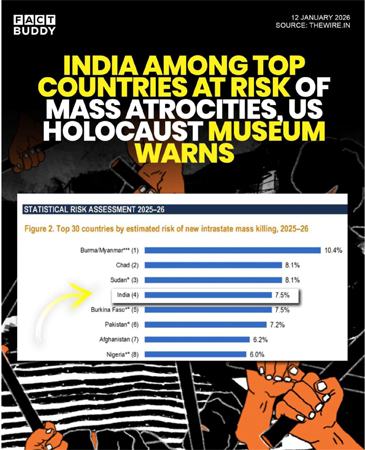
Even international watchdogs have sounded the alarm. The US Holocaust Memorial Museum recently ranked India 4th globally for the risk of a new mass killing, citing a 7.5% probability of large-scale violence before the end of 2026.
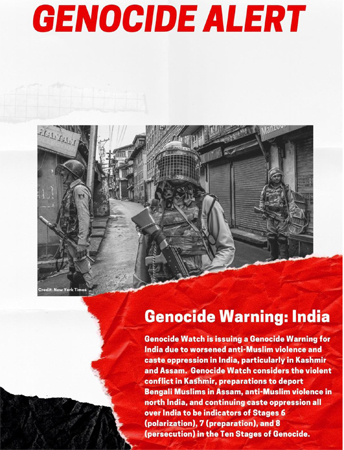
Genocide Watch maintains India at Stage 8 (Persecution), warning that the state-enabled hostility is pushing the nation toward an unprecedented humanitarian crisis.
Social Media: The Digital Echo Chamber
The “Hindu Rashtra” project is also a digital one. Over 97% of hate speech events were live-streamed or recorded, with 942 incidents originating on Facebook.
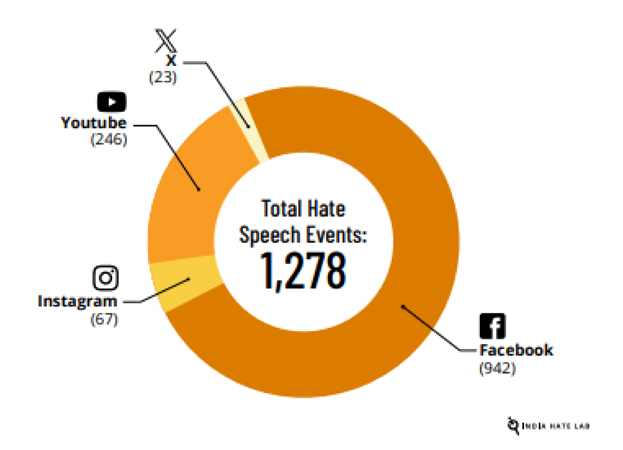
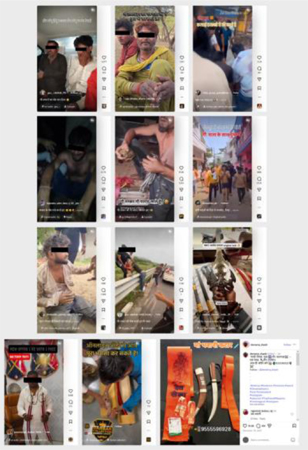
Platforms like YouTube and X (formerly Twitter) have become playgrounds for AI-generated deepfakes and stylized hate videos that bypass traditional moderation.
This digital amplification ensures that a hate speech delivered in a small town in Uttar Pradesh can radicalize a teenager in Karnataka within minutes.
A Climate of hate
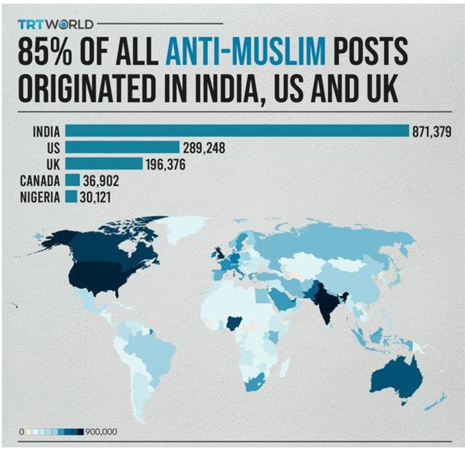
The trend toward a Hindu Rashtra is no longer a fringe aspiration; it is the dominant political reality of 2026. As the government continues to prioritize “revenge” over constitutional equality, the social fabric of India is tearing. The marginalization of 200 million Muslims and 30 million Christians is not just a human rights issue; it is a fundamental threat to the stability of the South Asian region.
Unless there is an immediate shift toward legal accountability and the restoration of institutional independence, the so-called world’s largest democracy risks completing its transformation into a majoritarian ethnocracy-one where the safety of a citizen is determined by their faith rather than the law.