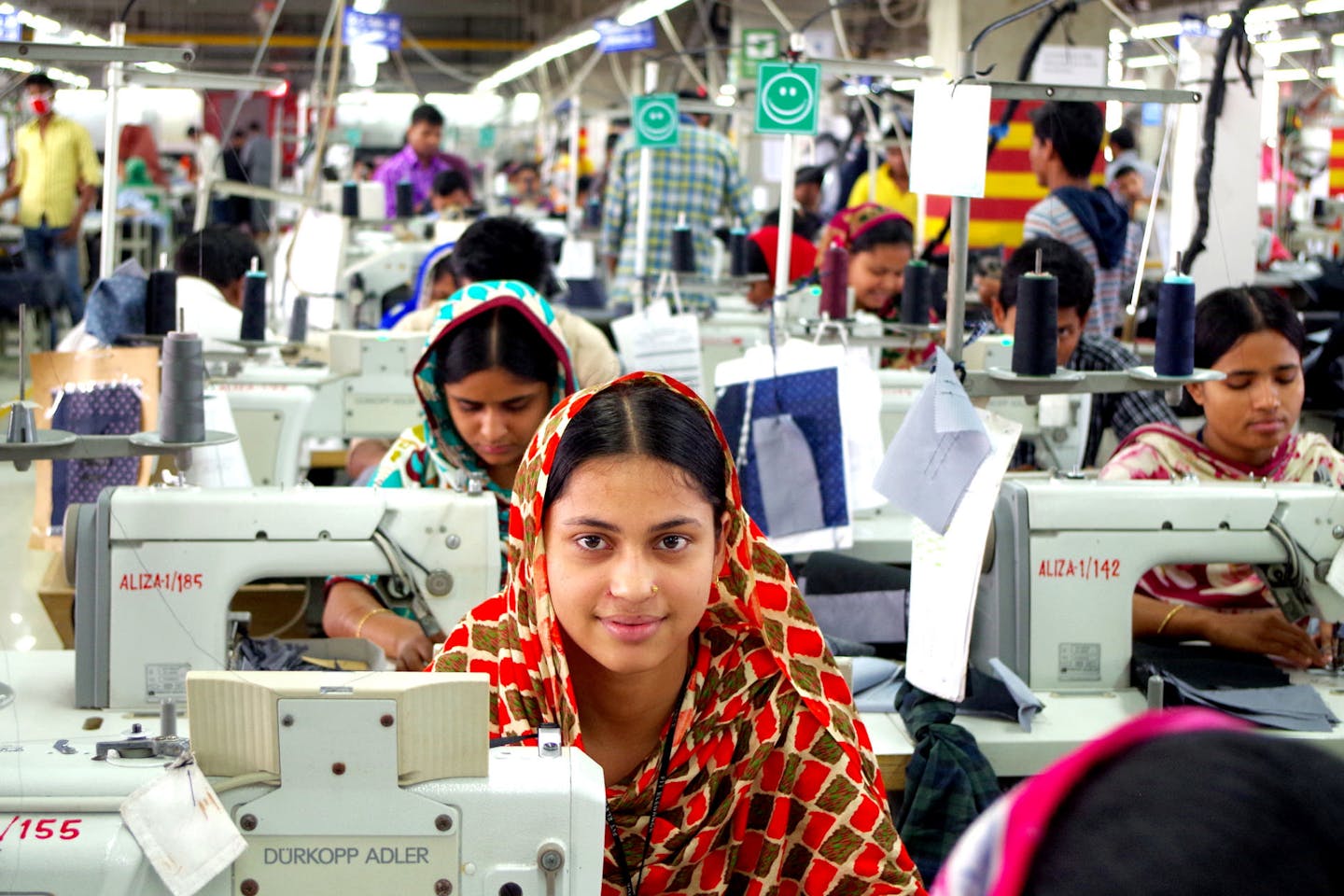
Women continue to face severe challenges in workplaces across South Asia, and Pakistan’s garment sector is no exception. A new Amnesty International report, Stitched Up, exposes widespread harassment, intimidation and repression affecting female workers in the textile industry.
Read More: AI threatens women’s jobs three times more than men’s, says UN
The garment sector is a trillion-dollar global industry employing nearly 100 million people, most of them women. In South Asia alone, garment workers make up around 40pc of manufacturing jobs, yet abuses such as poor wages, lack of social protection and denial of union rights remain systemic.
According to the report, women workers attempting to organise face serious repercussions, including dismissal, harassment and even violence. These retaliatory actions violate ILO Convention 98, which guarantees workers protection from anti-union discrimination.
Nazia, a worker in a Lahore garment factory, told Dawn she had witnessed “many bad things” happening to women over the past 15 years. She described sexual harassment, threats and the firing of women who attempted to form unions or refused to comply with inappropriate demands from senior staff.
Women make up most of the global garment workforce, yet many face sexual harassment, unsafe conditions, union suppression, and poverty wages. Preventing modern slavery in the fashion industry requires confronting gender discrimination directly.https://t.co/0KoNGxybwf
— Freedom United (@freedomunitedHQ) December 7, 2025
Labour leaders say unionisation remains nearly impossible in the Lahore division. Mutahidda Labour Federation’s Hanif Ramay claimed not a single genuine union is registered in its four districts, adding that workers attempting to organise are swiftly dismissed.
The report highlights the prevalence of “yellow unions,” pro-management bodies designed to block workers’ rights. One female worker said she faced harassment, forced overtime and retaliation after trying to form an independent union.
Complaints of sexual harassment and abuse of labour laws are frequent, according to labour activist Niaz Khan. He said both small unregistered factories and larger mills are implicated, with women often subjected to derogatory language and arbitrary termination.
Read More: Women’s employment in the informal sector
Punjab hosts around 1,000 garment factories, many in Lahore and Faisalabad, most of which operate with only paper unions favouring owners. Industry representatives, however, contest the findings, claiming stricter compliance in sectors with fewer female workers.