SAMBURU, KENYA — In the parched landscapes of northern Kenya, herders are turning to camels for survival as the region battles its worst drought in four decades. With little rainfall since April and repeated dry seasons since 2021, many pastoralists have seen their cattle wiped out.
For Chapan Lolpusike, a herder from the semi-nomadic Samburu community, the shift was life-changing. “We no longer have cattle at home. We only raise camels,” he said, recalling how all his cows and oxen perished. Camels, able to survive for over a week without water and produce six times more milk than cattle, have become the lifeline of Kenya’s arid north.
In response to devastating cattle losses, Samburu county launched a camel distribution program in 2015. More than 5,000 Somali camels, a resilient and high-yielding breed, have been distributed to families — 1,000 of them in the past year alone. Officials say the initiative has improved nutrition and food security among pastoralists.
Read More: Priyanka Chopra shares video of kids in Kenya amid food crisis
“Cows can only be milked when the grass is green,” said herder Naimalu Lentaka, “but camels give milk even during the dry season — that’s the whole difference.” Studies show camel milk provides essential nutrients and can account for up to half of a family’s diet during droughts.
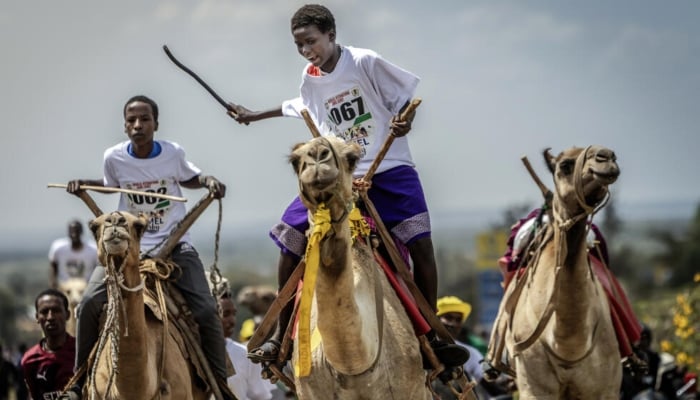
Camels are also taking center stage in cultural life. At the Maralal International Camel Derby, racers covered 21 kilometers in just over an hour, celebrating the animal’s endurance and symbolic role in promoting peaceful coexistence among herding communities. Despite their resilience, locals still look to the skies for rain. “We only pray the situation doesn’t get worse,” said village administrator James Lolpusike.