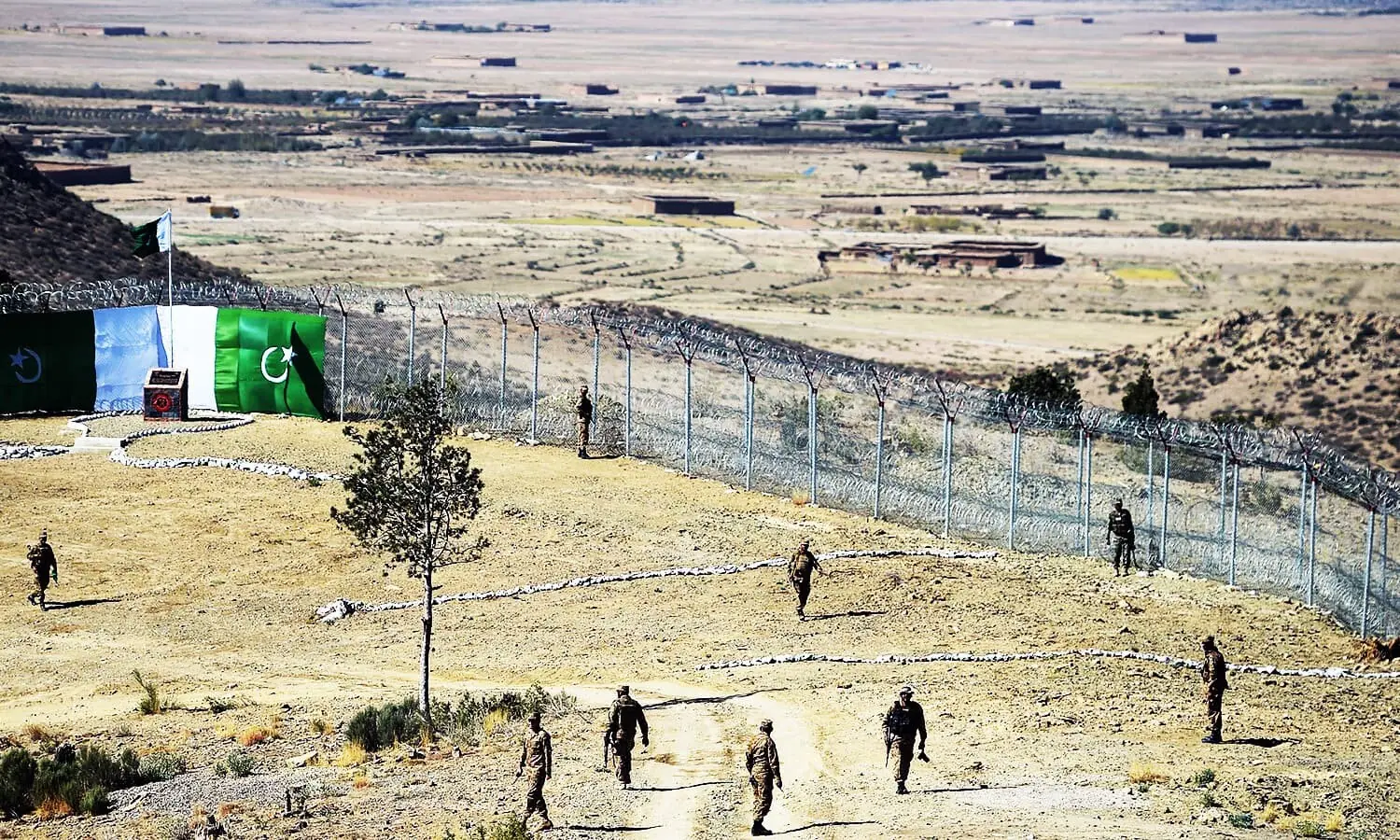
ISLAMABAD: Pakistan and Afghanistan early on Friday agreed to continue a ceasefire following a sharp deterioration of bilateral ties and deadly border skirmishes earlier this month. The breakthrough came during a second round of talks in Istanbul, mediated by Türkiye and Qatar, after earlier negotiations had collapsed in a stalemate over Pakistan’s demand for action against cross-border terrorism.
A joint statement released by Türkiye’s Foreign Ministry confirmed that both countries had agreed to maintain the truce and develop a “monitoring and verification mechanism” to ensure peace and penalise any violations. It added that further details of the agreement would be discussed at a principal-level meeting in Istanbul on November 6, expected to be led by the defence ministers of both nations.
Read More: Pakistan and Afghanistan agree to immediate ceasefire in Doha talks
The talks, hosted by Türkiye with Qatar’s diplomatic support, focused on Islamabad’s core demand for “verifiable and irreversible action” by Kabul against the banned Tehreek-i-Taliban Pakistan (TTP). Pakistan insists that the Afghan Taliban must publicly denounce and act against TTP militants allegedly operating from Afghan soil. However, Afghan representatives maintained that the group comprises Pakistani nationals and that Kabul cannot fully control their activities.
Joint Statement on the Talks Between Afghanistan and Pakistan Through the Mediation of Türkiye and Qatar https://t.co/y1SH30i88Q pic.twitter.com/wH4GW3SC9k
— Turkish MFA (@MFATurkiye) October 30, 2025
Defence Minister Khawaja Asif welcomed the breakthrough, calling it a “ray of light” in otherwise tense relations. He acknowledged the efforts of Türkiye and Qatar in salvaging the dialogue process, praising them as “trusted friends and well-wishers of Pakistan.” Taliban spokesman Zabihullah Mujahid also affirmed Kabul’s desire for “relations based on mutual respect and non-interference.”
Read More: Pakistan, Afghanistan extend truce until end of Doha talks
Diplomats, however, urged caution, noting that deep mistrust persists between the two neighbours. “This is a framework for peace, not yet peace itself,” one foreign envoy observed. The agreement comes amid escalating tensions that saw border clashes, mutual accusations, and limited dialogue. Both sides now face the challenge of ensuring that the fragile ceasefire leads to sustainable peace and cooperation.