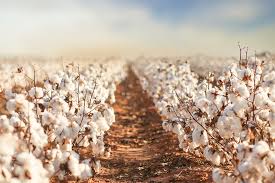
Pakistan continues to rank among the world’s top five cotton producers despite recent floods and lower yields. This provides relief to its struggling textile industry. The sector remains a major source of employment and export revenue. Officials hope that sustained cotton output will support the economy and stabilize jobs in rural areas.
The United Nations marks October 7 as World Cotton Day to highlight cotton’s role in economic development and poverty reduction. This year’s theme, “The Fabric of Our Lives,” emphasizes cotton’s importance in sustaining livelihoods globally. Cotton supports around 24 million growers and over 100 million families worldwide.
READ MORE:Bloomberg Ranks Pakistan Second-Best Emerging Economy Globally
Globally, cotton is the second-most used fibre after polyester. About 80 percent of it goes into apparel, with the remainder used in home textiles and industrial goods. In developing countries, it remains a critical source of income and a key contributor to export earnings.
In Pakistan, cotton is mainly grown in Punjab and Sindh, while the government now promotes cultivation in Balochistan and Khyber Pakhtunkhwa. Punjab contributes 68.5 percent of national output. Around 1.5 million farmers grow cotton, most on small farms of less than five hectares.
READ MORE:Pakistan ranks 5th most vulnerable to climate disasters
The textile industry employs nearly 10 million people, contributes 8 percent to GDP, and generates 60 percent of foreign exchange earnings. With over 1,050 ginneries, 430 textile mills, and 350 cottonseed crushers, Pakistan’s cotton production remains vital for economic stability and rural livelihoods.