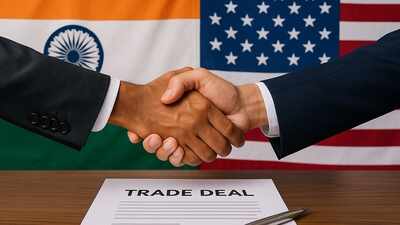
India has adopted a cautious approach in its trade negotiations with the United States (US), choosing not to rush into an interim agreement as it seeks more favourable terms before finalising any deal.
Read More: India, US aim for $500 billion trade
According to Reuters, recent negotiations failed to produce an agreement after the two sides were unable to bridge differences over tariffs and market access. Indian officials said New Delhi is determined to protect its core interests, particularly in agriculture, while securing tariff advantages over competing exporters such as China.
The talks followed months of discussions and included a visit to New Delhi by US Trade Representative Jamieson Greer. Despite expectations that a limited trade pact could be reached, both sides remained divided on key issues, including future US tariff policies and preferential treatment for Indian exports.
The United States is expected to introduce additional tariffs later this month as part of its broader trade strategy. While Indian exports currently face a 10% US tariff in most categories, Washington is considering higher duties on several countries, including India, under investigations related to industrial capacity and forced labour concerns.
Analysts believe India’s negotiating position has strengthened due to improving economic conditions and expanding trade ties with other global partners. The country has recorded solid export growth in recent months, while trade with Gulf nations has recovered following earlier regional disruptions. India is also moving ahead with a free trade agreement with the United Kingdom and expects progress on a similar pact with the European Union.
Economists say easing oil prices, stronger export performance and a more diversified trade strategy have given New Delhi greater confidence during negotiations. Political stability at home has also reduced pressure on the government to quickly conclude an agreement.
Read More: India delays US trade talks after tariff ruling shock
US officials maintain that discussions remain productive and expect negotiations to continue. However, both sides acknowledge that resolving differences will require further dialogue before a comprehensive trade agreement can be finalised.