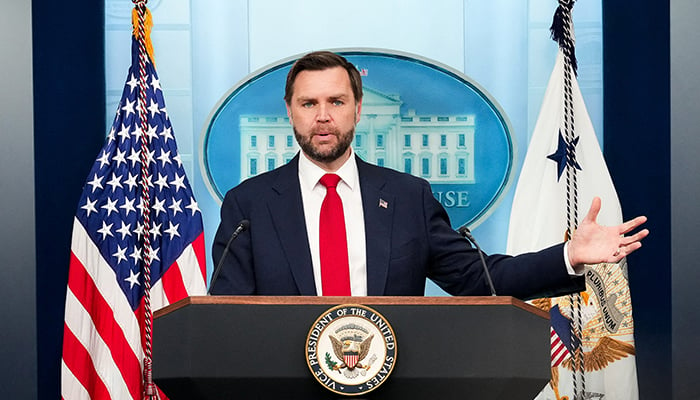
WASHINGTON/DUBAI: US Vice President JD Vance has cancelled a planned trip to Switzerland for talks with Iranian negotiators, highlighting ongoing uncertainty surrounding the implementation of the recently signed US-Iran peace agreement.
According to a White House spokesperson, Vance and a US delegation were prepared to travel to Geneva to begin discussions on carrying out the 14-point accord reached between Washington and Tehran to end months of conflict. However, the visit was called off after difficulties emerged over the logistics and timing of the negotiations.
The United States had initially indicated that a formal signing ceremony would be held in Geneva. Iran’s foreign ministry, however, questioned the need for such an event, noting that both countries’ presidents had already signed the agreement earlier this week.
Adding to the uncertainty, Iran signalled that it wanted evidence of US compliance with the interim deal before proceeding with further negotiations. Reports from Iran suggested there was no confirmation that an Iranian delegation would travel to Geneva for the next round of talks.
The agreement extended a fragile ceasefire between the two countries for at least 60 days and opened the door for negotiations on Iran’s nuclear programme, sanctions relief and regional security issues. Despite the breakthrough, tensions remain high.
Israel, which was not part of the negotiations, has continued military operations against Hezbollah in Lebanon. The ongoing conflict has raised questions about whether a broader regional ceasefire can be achieved.
The war between the US, Israel and Iran has reportedly killed thousands, disrupted energy markets and increased geopolitical tensions across the Middle East. Critics in Washington have also questioned whether President Donald Trump conceded too much in exchange for ending the conflict, citing sanctions relief and financial incentives granted to Tehran.
Both sides now face a crucial 60-day period to negotiate a long-term framework covering Iran’s nuclear activities and regional security concerns, while maintaining the fragile truce reached this week.