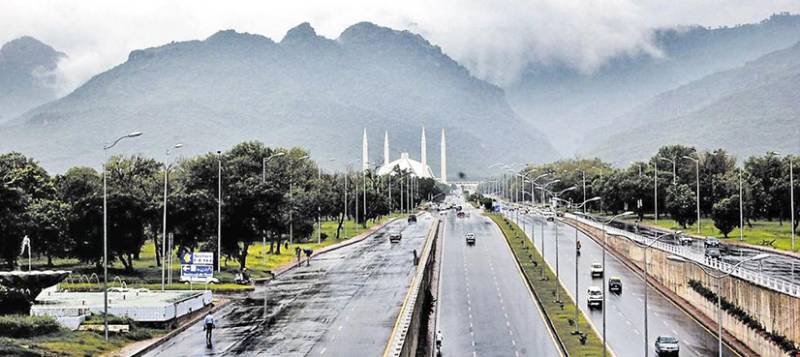
Pakistan is expected to experience a mix of intense heat and incoming rainfall this week as weather authorities forecast continued heatwave conditions from June 7 to 12. While several regions will remain under severe heat stress, rain is expected to bring partial relief to northern and central areas later in the forecast period.
According to the latest weather assessment, temperatures are likely to rise further in upper Khyber Pakhtunkhwa, Islamabad and northern Punjab through June 10. At the same time, Sindh, southern Punjab and much of Balochistan are expected to remain under persistent heatwave conditions, with hot and dry weather dominating across these regions for several days.
Read more : Heavy rain brings relief as showers drench Lahore –
However, a change in weather is anticipated on June 11 and 12, when rain is expected in Islamabad, various districts of Khyber Pakhtunkhwa and parts of northern Punjab. Areas including Chitral, Dir, Swat, Malakand, Mansehra, Abbottabad and Peshawar are likely to receive intermittent showers, offering some relief from unusually high temperatures.
Meanwhile, central and southern Punjab are expected to continue facing extreme heat despite rainfall in northern districts. Most parts of Sindh are also forecast to remain hot and dry throughout the week, with little indication of significant temperature relief. In Balochistan, northeastern districts may receive light rainfall while the rest of the province continues to experience elevated temperatures.
Read more : Early morning rain brings cooler weather across Lahore, Punjab
Weather experts are also closely monitoring conditions in Gilgit-Baltistan and Azad Jammu and Kashmir, where intermittent rainfall is expected during the same period. Rising temperatures in mountainous areas may accelerate glacier melting, increasing the risk of flash floods, glacial lake outburst events and landslides in vulnerable locations.
Authorities have urged continued vigilance as Pakistan enters a period of extreme summer weather marked by both heat-related risks and potential rain-induced hazards. Ongoing monitoring efforts are focused on assessing weather developments and ensuring timely responses to any emergencies that may emerge across affected regions.