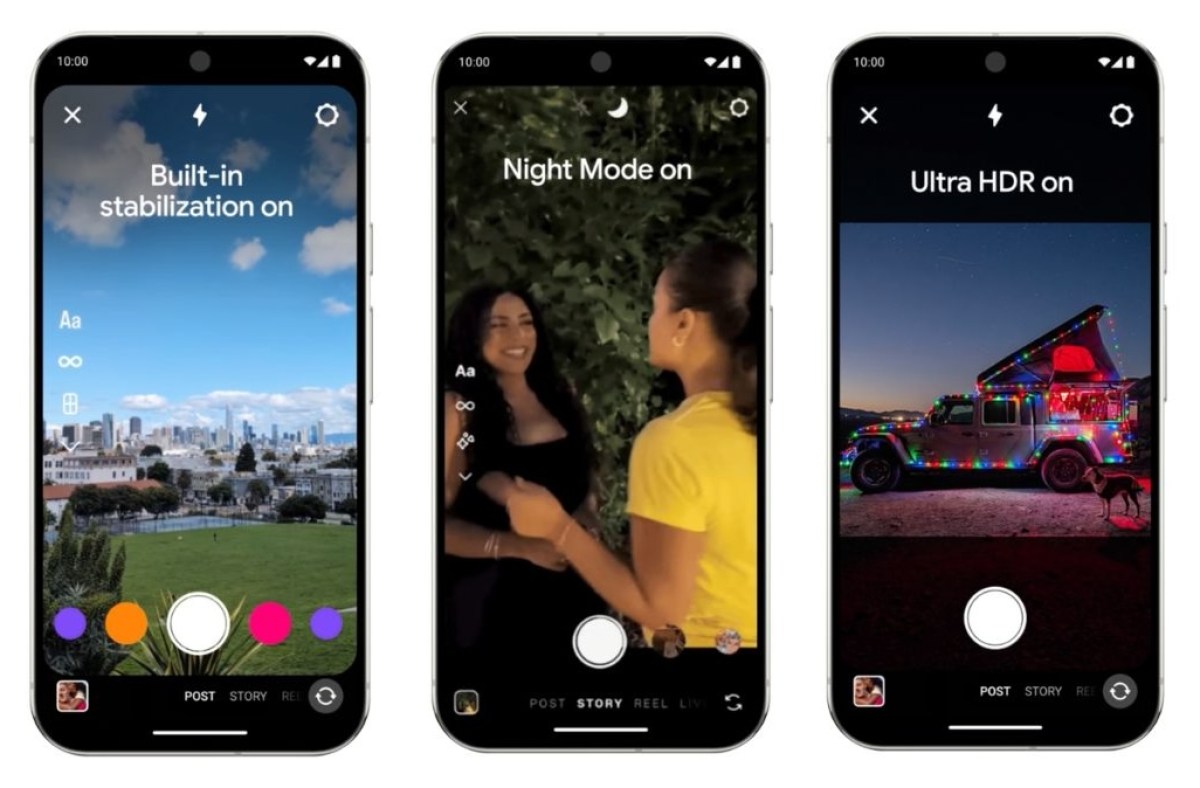
Google has announced major camera and media improvements in Android 17 through a deeper partnership with Meta, aiming to solve long-standing Instagram quality issues on Android devices. The update focuses on improving how Instagram captures, processes, and uploads photos and videos, addressing complaints from creators who often saw their content lose quality after posting on social media platforms.
For years, many Android users have argued that their phones produced excellent images through native camera apps, yet social media uploads appeared noticeably worse. Although flagship Android devices now feature advanced sensors and powerful computational photography, apps such as Instagram and Snapchat often relied on simplified processing methods to support hundreds of different devices, resulting in reduced image and video quality.
Read more : Google I/O 2026 set to unveil android 17, chrome, cloud updates
With Android 17, Google is introducing a more direct connection between Instagram and the Android camera system on supported flagship smartphones. As a result, Instagram’s in-app camera can now take advantage of Night Sight and Night Mode technologies, allowing users to capture brighter and more detailed photos in low-light conditions without needing additional editing or third-party applications.
The update also brings built-in video stabilization for Instagram’s camera, delivering smoother footage and reducing shakiness during handheld recording. In addition, Android 17 supports Ultra HDR capture and playback on compatible devices, while Google has optimized the capture-to-upload process to preserve more image detail and improve overall video quality when sharing Stories, Reels, and other content.
Read more : ChatGPT Android app adds extended thinking mode –
Beyond camera improvements, Google is expanding AI-powered editing capabilities for Android users through Instagram’s Edits app. New features include Smart Enhance for one-tap image upscaling and Sound Separation, which isolates voices from background noise. These tools allow creators to improve visual quality and audio clarity directly on their devices, reducing the need for complex editing workflows.
The initiative reflects a broader shift within the smartphone industry, where social media performance increasingly influences purchasing decisions. While Samsung previously worked with Instagram and Snapchat to enable native HDR uploads on Galaxy devices, Google is now extending similar improvements across the wider Android ecosystem, potentially narrowing a gap that has favored iPhones for social media content creation for many years.