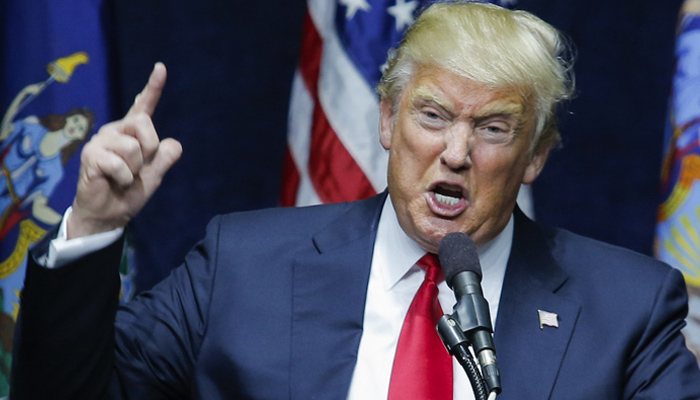
US President Donald Trump announced that Abu Bilal al-Minuki, described as the second-in-command of ISIS globally, was killed in a joint military operation carried out by American and Nigerian forces.
In a statement posted on Truth Social, Trump said the mission was launched under his direction and involved what he described as a highly coordinated and complex operation targeting a senior militant figure believed to be operating in Africa.
Read More: US carries out Christmas Day strikes on IS targets in Nigeria
Trump called Abu Bilal al-Minuki “the most active terrorist in the world” and said the militant had attempted to evade capture by hiding in Africa. According to the US president, intelligence sources closely monitored his activities, allowing forces to successfully locate and eliminate him.
— Rapid Response 47 (@RapidResponse47) May 16, 2026
The operation was reportedly conducted in partnership with Nigeria’s armed forces. Trump praised Nigerian authorities for their cooperation and thanked the government for supporting the mission.
The announcement comes as security concerns remain high across parts of Africa, where militant groups linked to ISIS and other extremist organisations have expanded their presence in recent years. Several regions have witnessed increasing attacks targeting both military installations and civilians.
No additional operational details, including the exact location of the strike or casualty figures, were immediately disclosed.
The development also comes against the backdrop of previously strained relations between Washington and Abuja. Trump had earlier criticised Nigeria over alleged persecution of Christians, claims repeatedly denied by Nigerian officials.
Last year, the United States carried out strikes on what it described as militant bases in northwestern Nigeria following heightened security concerns and accusations made by Trump regarding extremist activity in the region.
Security analysts say cooperation between the United States and African partners has become increasingly important as militant networks shift operations beyond the Middle East into parts of Africa, including the Sahel and West Africa.
Read More: US strikes in Somalia kill ‘key’ ISIL figures, says regional govt
If confirmed independently, the death of a senior ISIS commander could represent a symbolic blow to the organisation’s international network, although experts caution that such groups often maintain decentralised command structures that allow them to continue operations despite leadership losses. Further details from US or Nigerian defence officials are expected in the coming days.