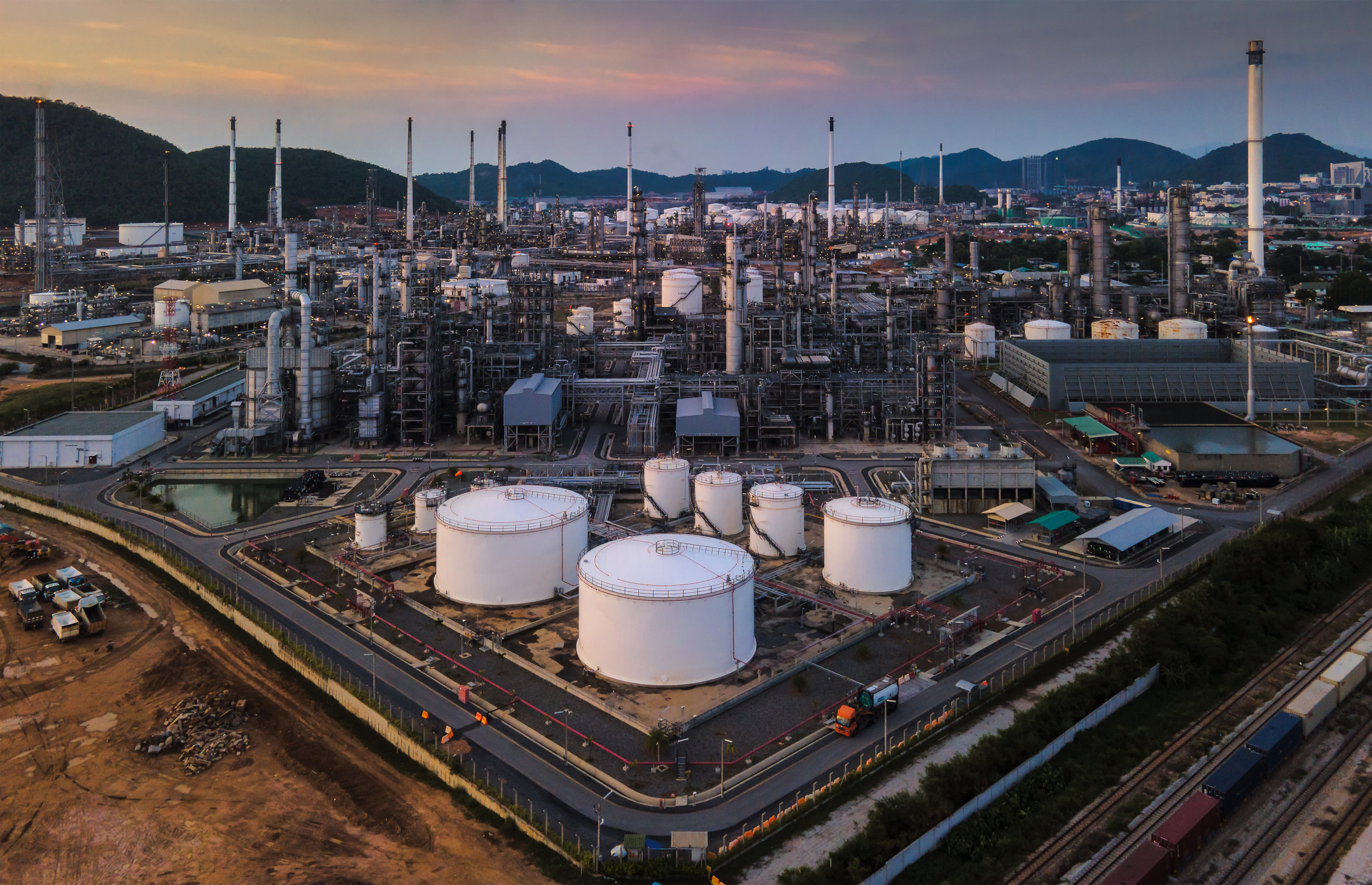
The United Arab Emirates has accelerated construction of a major oil pipeline project after disruptions in the Strait of Hormuz severely affected global energy supplies and pushed international oil prices sharply higher. Crown Prince Sheikh Khaled bin Mohamed bin Zayed directed the Abu Dhabi National Oil Company to fast-track the West-East Pipeline project during a high-level executive meeting in Abu Dhabi on Friday.
The new pipeline will significantly increase the UAE’s ability to export crude oil through Fujairah, which sits outside the Strait of Hormuz on the Gulf of Oman coast. Officials said the project is expected to become operational by 2027 and will double the country’s export capacity through Fujairah. However, authorities did not reveal the pipeline’s original completion timeline before the latest acceleration order.
Read more : US oil exports reach record highs amid rising global demand
Currently, the UAE relies on the Abu Dhabi Crude Oil Pipeline, also known as the Habshan-Fujairah pipeline, which can transport nearly 1.8 million barrels of crude oil daily. The pipeline has become strategically important because it allows direct exports without passing through the Strait of Hormuz. Moreover, the UAE and Saudi Arabia remain the only Gulf countries with major oil export routes that bypass the sensitive maritime corridor.
Read more : ‘OPEC+ agrees on oil output quota hike without UAE’ –
The Strait of Hormuz, located between Iran and Oman, has effectively remained closed after Iran responded to a joint US-Israeli air and naval campaign launched on February 28. The shutdown disrupted nearly one-fifth of global oil supplies that normally move through the route toward Asian and international markets. As a result, several Gulf countries including Kuwait, Iraq, Qatar and Bahrain continue to face severe export challenges because they heavily depend on the strait.
Meanwhile, global energy markets are experiencing mounting pressure as supply shortages continue to fuel fears of inflation and slower economic growth. Governments in different regions have already started introducing fuel rationing measures to manage shortages and rising costs. Analysts warn that prolonged disruption in the Strait of Hormuz could deepen instability in global energy markets and place additional pressure on oil-importing economies worldwide.