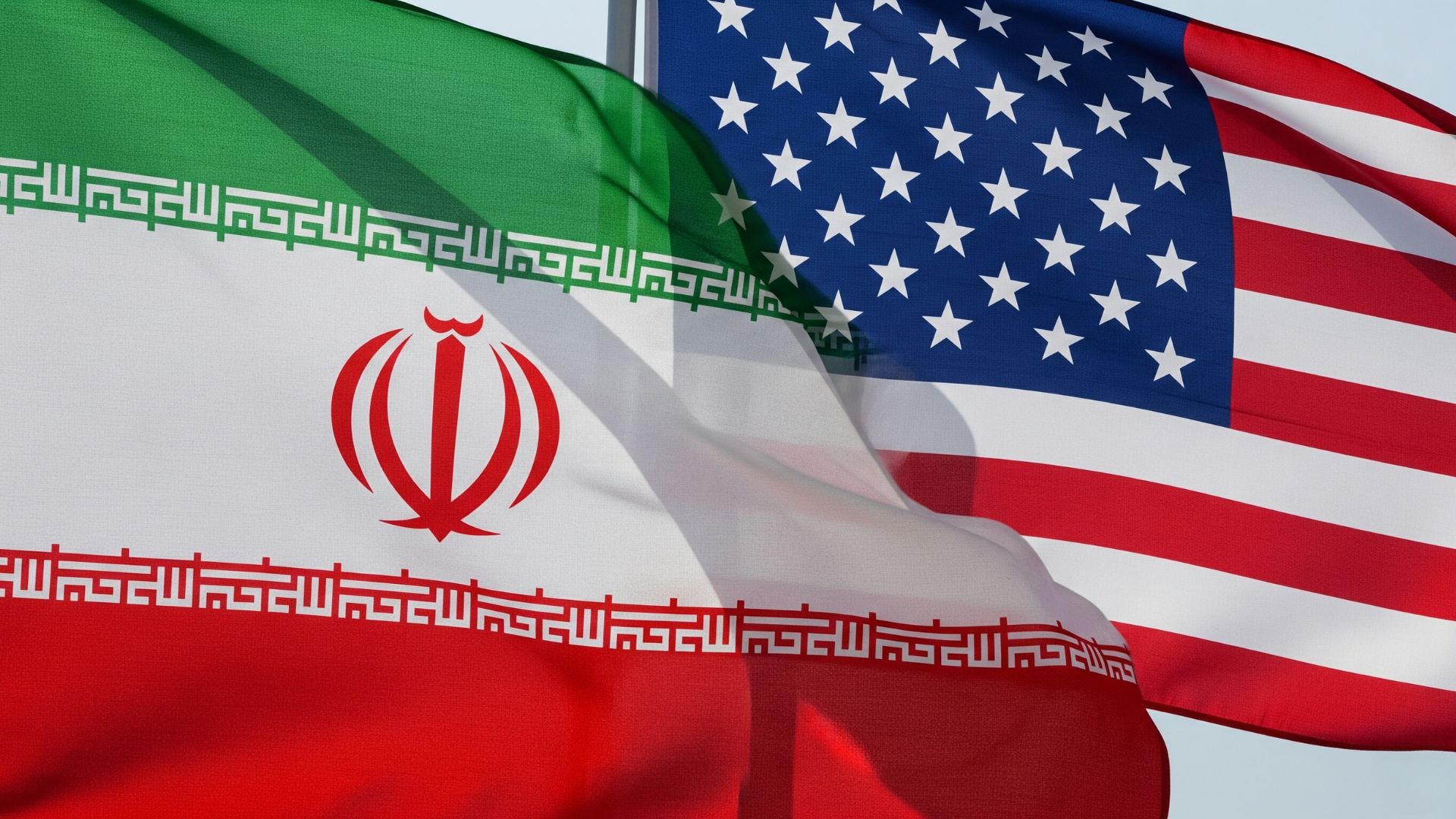
The United States is awaiting Iran’s response to a proposed peace plan aimed at ending the ongoing conflict and reopening the Strait of Hormuz. The proposal includes lifting sanctions and restarting negotiations over Iran’s nuclear programme. Iran is expected to respond in the coming days, while tensions remain high across the region.
The plan, delivered through diplomatic channels, reportedly outlines a temporary framework to restore shipping through the strategic waterway. It also calls for a pause on uranium enrichment and sets the stage for broader talks on a final agreement. However, Iranian officials have not yet indicated whether they will accept the terms.
Read more: Trump predicts swift Iran war deal
At the same time, military activity continues in the region, with Israel carrying out strikes in Lebanon. Reports said an Israeli strike killed a Hezbollah commander in a Beirut suburb, marking the first such attack since a recent ceasefire. The situation has raised concerns about further escalation despite ongoing diplomatic efforts.
Iran has maintained that key issues such as its nuclear programme and regional alliances remain non-negotiable. Officials have described some aspects of the proposal as speculative, while reiterating that enrichment is a national priority. Israel has also stressed coordination with the United States on any potential agreement.
Read more: US–Iran talks signal major peace breakthrough
Global energy markets have reacted sharply to the uncertainty, with oil prices fluctuating amid disruptions in shipping through the Strait of Hormuz. Analysts say the outcome of Iran’s response could significantly impact regional stability, energy flows, and broader geopolitical tensions in the coming weeks.