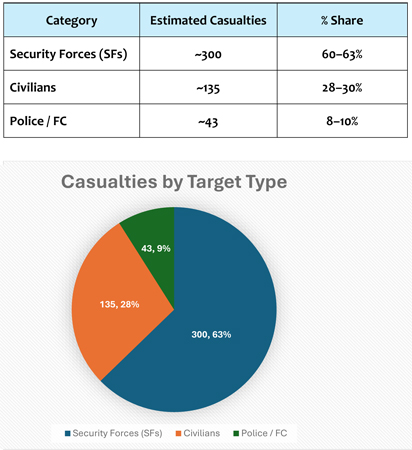
 Terrorists’ groups, particularly the Tehreek-e-Taliban Pakistan (TTP) (also known as Fitna al-Khawarij), have increasingly adopted drone technology to target Pakistani security forces and civilian areas from sanctuaries in Afghanistan. This transition from traditional guerrilla warfare to aerial strikes represents a significant tactical shift in their operations. The security landscape in Pakistan has undergone a dangerous evolution over the past year, marked by the systematic use of drone technology by banned TTP terrorist designated Fitna-e Khawarij (FAK) by state. In just a year, these groups have executed 444 drone attacks, resulting in 478 casualties. The breakdown is stark: approximately 300 security forces personnel, 135 civilians, and 43 police or Frontier Corps members. These figures reveal not only the lethality of this emerging tactic but also its deliberate, indiscriminate nature. Drone warfare by the Khwarij is no longer an isolated phenomenon; it is a calculated strategy designed to inflict maximum harm, evade accountability, manipulate public perception, and fracture the state-society relationship.
Inhuman Tactic of FAK
The most defining feature of the Khwarij’s drone campaign is its complete disregard for human life. Unlike conventional attacks that often focus on hard targets, these drone strikes are directed at all segments of society.
Security forces, police, FC personnel, and unarmed civilians have been hit with equal frequency. This indiscriminate approach serves a dual purpose. First, it creates widespread fear by showing that no one is safe – markets, roads, check posts, and residential areas are all potential targets. Second, it projects an image of capability and reach. By striking both uniformed personnel and civilians, the Khwarij aim to demonstrate that they can operate with impunity across the operational spectrum, deepening the psychological impact of each attack.
Drones as Tools of Impunity
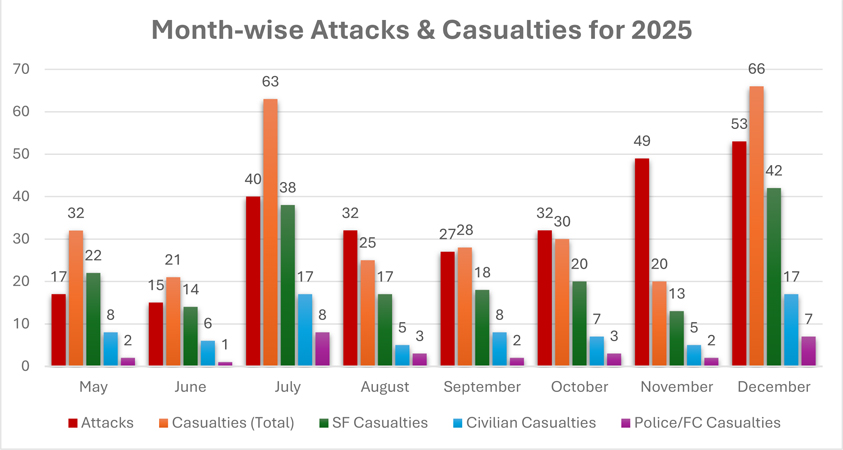
The choice of drones is not incidental. It reflects a deliberate shift toward remote warfare that minimizes risk for the perpetrators. Traditional ground assaults or suicide bombings expose attackers to capture or elimination. Drones, however, allow the Khwarij to launch strikes from safe distances, often across difficult terrain, and then disappear without trace. This remote capability complicates intelligence and forensic efforts, reducing the chance of attribution. For the Khwarij, drones are a means to inflict devastation while avoiding direct accountability. The lack of immediate attribution also creates space for disinformation, where the origin of an attack can be obscured or falsely assigned, further complicating the state’s response.
Weaponizing Civilian Casualties
A critical component of this drone strategy is the intentional targeting of civilians. The casualty data shows that 135 non combatants have been killed in less than a year, a number that points to more than collateral damage. The intent appears to be maximizing civilian loss to achieve a secondary effect: shifting blame onto the state. Each civilian death becomes a propaganda point. By ensuring high civilian casualties, the Khwarij seek to construct a false narrative in which the government is either complicit, incompetent, or indifferent. This tactic is designed to turn grief into resentment. Funerals, images of destroyed homes, and stories of innocent victims are weaponized to deepen public anger, with the ultimate aim of redirecting that anger toward state institutions rather than the actual perpetrators.
Driving a Wedge Between State and Society
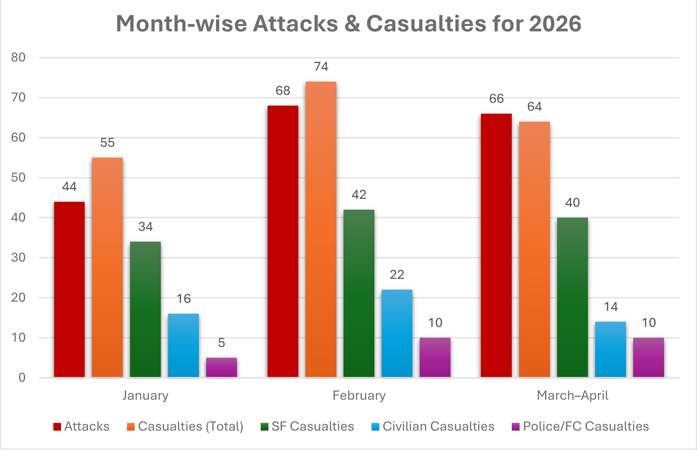
The cumulative effect of these attacks is the erosion of public trust. When civilians are killed and the state is blamed through coordinated messaging, a dangerous divide is created. The Khwarij’s narrative strategy hinges on portraying the government as the source of instability. By amplifying civilian casualties and attributing them to state action or inaction, these groups try to delegitimize security operations, weaken morale, and reduce public cooperation with law enforcement. This is classic insurgent doctrine: separate the population from the government to deny the state its most vital asset – popular support. In Pakistan’s context, where national cohesion is essential to counter-terrorism, such a divide directly undermines counter-insurgency efforts and emboldens militant networks.

External Sponsorship and Strategic Destabilization
These drone attacks do not occur in a vacuum. According to statements by the DG ISPR, there is credible indication that India is backing the Khwarij in this campaign. External sponsorship transforms the threat from a localized insurgency into a component of hybrid warfare.
The provision of drones, technical expertise, or logistical support allows the Khwarij to sustain a high operational tempo that would otherwise be difficult. The strategic objective of this sponsorship is to further destabilize the region, stretch Pakistan’s security forces, and create a state of perpetual conflict. By fueling internal violence through proxies, the sponsoring actor seeks to weaken Pakistan’s unity, divert resources from development, and project Pakistan as insecure on the international stage. This aligns with broader efforts to disrupt CPEC, damage investor confidence, and isolate Pakistan diplomatically.
The Broader Implications
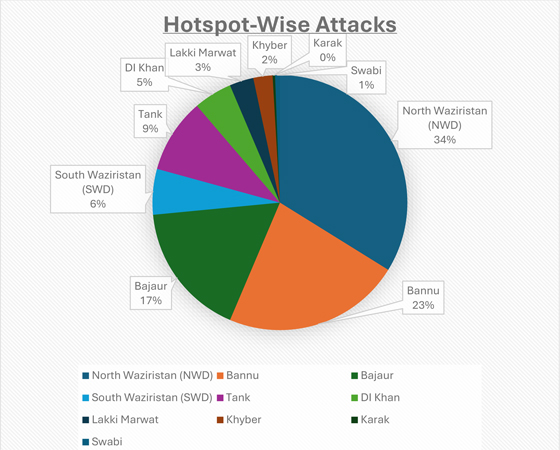
The 444 drone attacks in under a year represent more than a tactical shift; they signal the convergence of terrorism with emerging technology and information warfare. The Khwarij are no longer just using guns and bombs. They are integrating drones to achieve kinetic effects while simultaneously exploiting the information space to shape narratives. Civilian deaths are not just unfortunate outcomes – they are operational objectives in a psychological campaign. The remote nature of drones ensures deniability, while the resulting chaos is blamed on the state.

Countering this threat requires a multi-pronged response. Technologically, Pakistan must accelerate counter-UAS capabilities, including detection, jamming, and kinetic interception systems, especially in border and high-risk areas. On the intelligence front, dismantling supply chains and identifying external support networks is critical. Equally important is the narrative domain. The state must proactively communicate facts, document Khwarij atrocities, and expose the deliberate targeting of civilians to prevent the manipulation of public sentiment.
Final Words
The drone warfare of the Khwarij is a stark reminder that modern terrorism adapts rapidly. With 478 lives lost, including 135 civilians, the human cost is already severe. But the strategic cost – the attempt to fracture national cohesion, delegitimize the state, and advance externally sponsored destabilization – is even greater.
These attacks are not random acts of violence. They are part of a coherent campaign that uses drones to kill, disinformation to blame, and external support to sustain. Recognizing this convergence is the first step toward defeating it. Pakistan’s response must be equally adaptive: technologically resilient, intelligence-driven, and narrative-aware, ensuring that the Khwarij’s drone campaign fails to achieve its core objective of turning the people against the state.