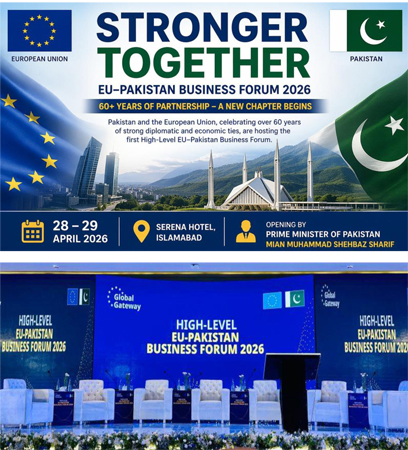
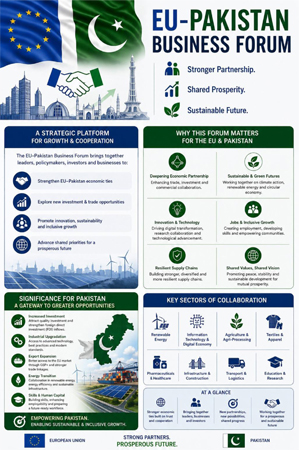
 A new chapter in international diplomacy and economic cooperation has been officially written. The High-Level European Union-Pakistan Business Forum concluded in Islamabad. It marks a historic milestone in a relationship that has spanned over six decades.
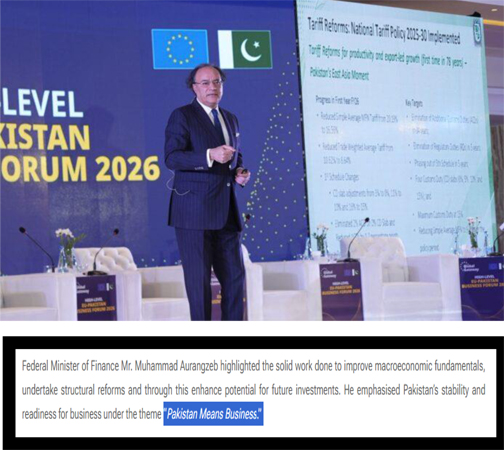
Bringing together over 1000 senior policymakers, global investors, and industry titans, the forum was not merely a meeting; it was a bold statement that ‘Pakistan Means Business’.
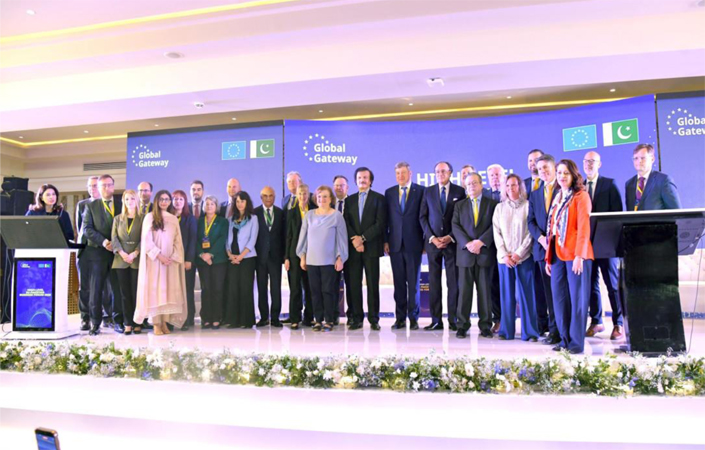
Foundation of Sixty Years
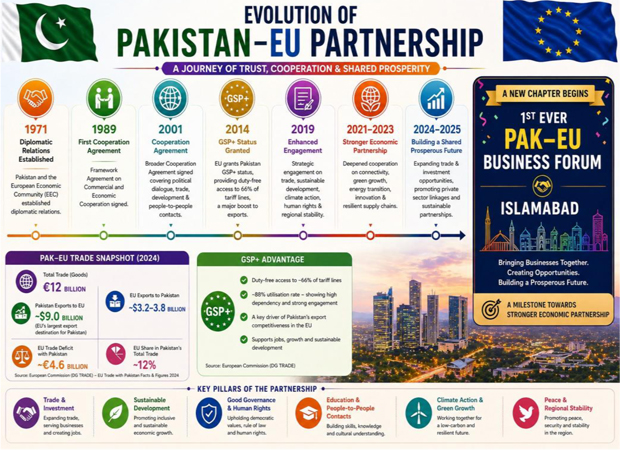
The timing of the forum is deeply symbolic. Celebrating over 60 years of diplomatic and economic ties, the EU and Pakistan have built a relationship based on mutual respect and shared growth. The EU currently stands as Pakistan’s second-largest trading partner and its primary export destination.
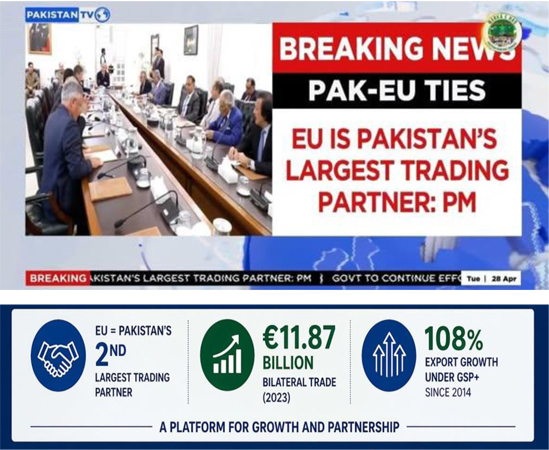
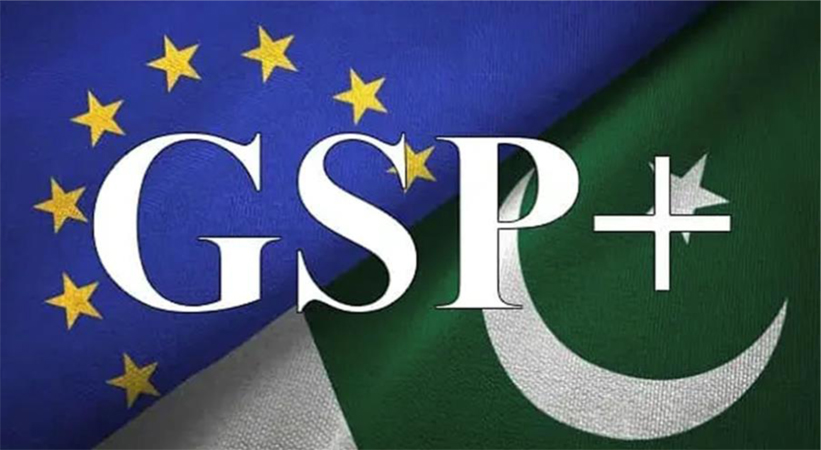
In 2023 alone, bilateral trade reached a staggering 11.87 billion, accounting for 15.3% of Pakistan’s total trade. Much of this success is attributed to the GSP+ (Generalized Scheme of Preferences Plus) status, which has allowed Pakistani exports to grow by 108% since 2014 by providing tariff-free access to the European market.
From Trade to Investment
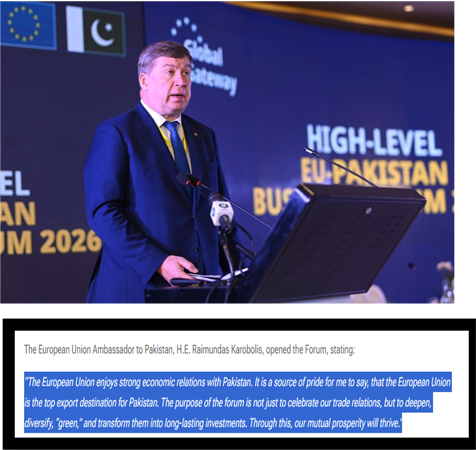
While the past decade focused on moving goods, the 2026 Forum signaled a strategic pivot: transforming trade ties into long-term investment flows. EU Ambassador Raimundas Karobolis highlighted this shift, stating that the goal is to “deepen, diversify, and ‘green'” the relationship.
By integrating European technology and innovation into Pakistani industries, the forum seeks to create a sustainable industrial base that can compete on a global scale.
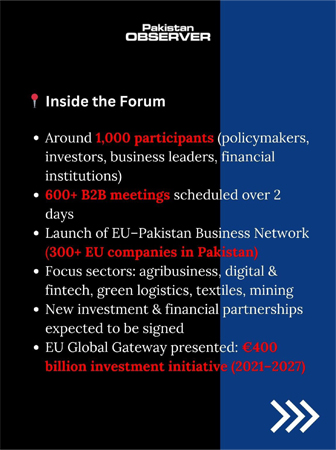
To facilitate this, the event saw the formal launch of the EU-Pakistan Business Network. Comprised of over 300 European companies already active in Pakistan, this network will act as a collective voice for investors, advocating for an improved business climate and providing a bridge for new European firms looking to explore the Pakistani market.
Priority Sectors for a Modern Economy
The forum moved beyond traditional sectors like textiles to highlight the sectors of the future. A series of high-profile project opportunities were presented by the Pakistani Board of Investment, focusing on:
8 Agri-business: Enhancing food security and export quality.
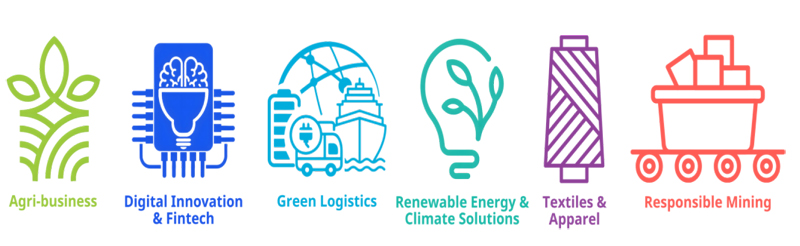
8 Digital Innovation & Fintech: Tapping into Pakistan’s young, tech-savvy population.
8 Green Logistics & Renewable Energy: Aligning with global climate goals and the EU’s “Green Deal.”
8 Responsible Mining: Leveraging Pakistan’s vast natural resources through sustainable practices.
8 Sustainable Textiles: Ensuring the mainstay of Pakistan’s economy meets modern environmental standards.
Global Gateway and EFSD+
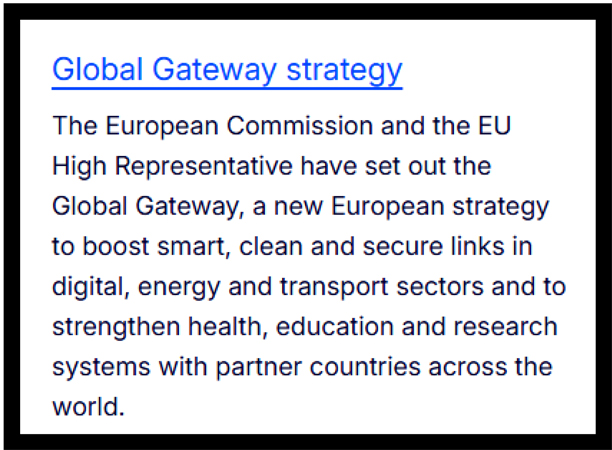
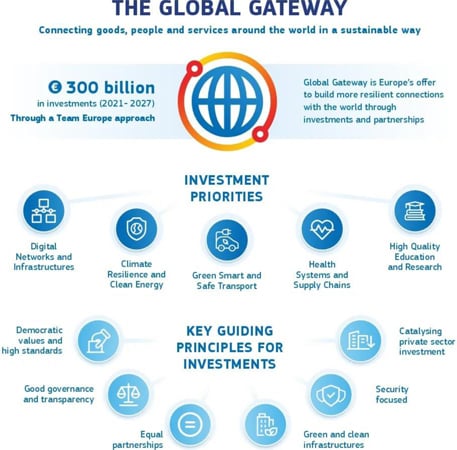
One of the most practical outcomes of the forum was the focus on financing. EU officials presented the Global Gateway strategy-the EU’s massive investment program designed to mobilize €400 billion globally by 2027.
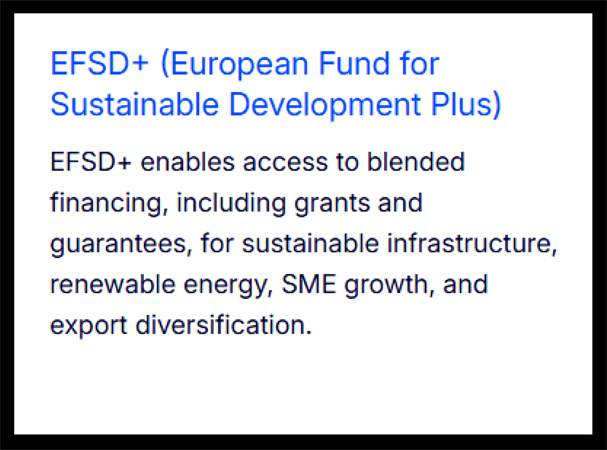
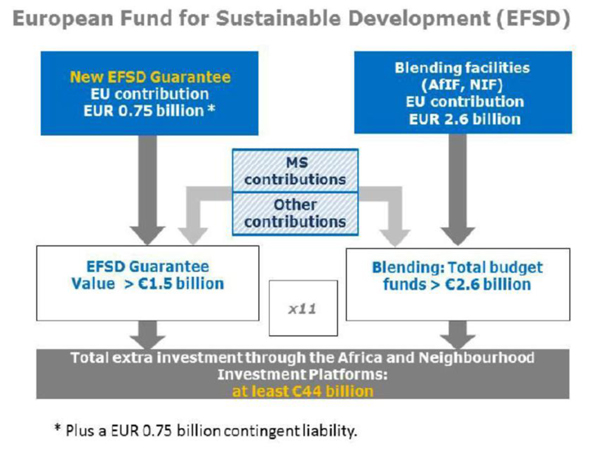
Through instruments like the EFSD+ (European Fund for Sustainable Development Plus), Pakistani businesses and SMEs can now access:
1. Blended Financing: A mix of grants and loans.
2. Guarantees: Reducing risk for private investors.
3. Direct Access: Meetings with the European Investment Bank (EIB) and other bilateral financial institutions allowed local entrepreneurs to discuss project funding directly.
Commitment to Human Rights & Governance
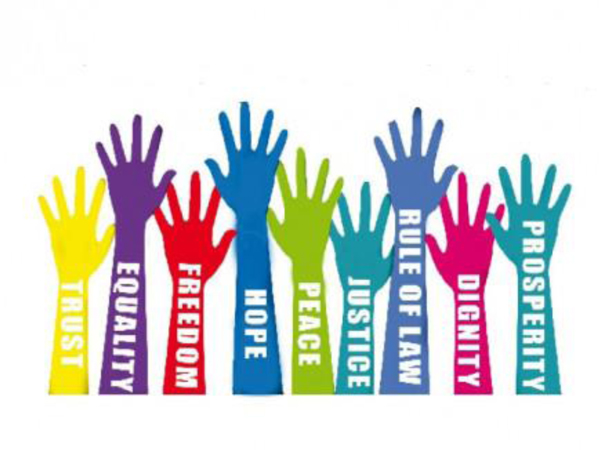
A significant portion of the forum focused on the GSP+ framework, which is not just about trade, but also about Sustainable Development and Good Governance.
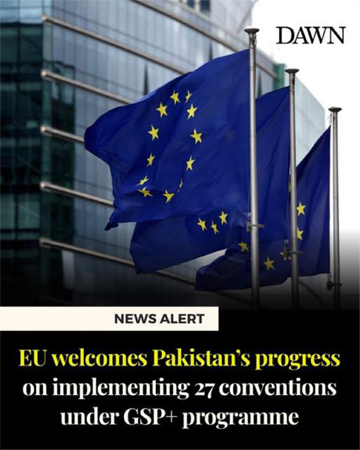
Pakistan has demonstrated comprehensive compliance by ratifying all 27 international conventions related to human rights, labor rights, environmental protection, and good governance.
The forum served as a platform for Pakistan to showcase its internal reforms, including:
* Legislative Safeguards: Constitutional articles (such as Articles 25 and 34) that ensure equality and the full participation of women in national life.
* Minority Rights: Significant laws such as the Hindu Marriage Act (2017) and the Sindh Child Marriages Restraint Act were highlighted as evidence of social progress.
* Transparency: The Commission of Inquiry on Enforced Disappearances (CoIoED), operating since 2011, was presented as an independent body working under judicial oversight to resolve cases through due process.
“Pakistan Means Business”
Pakistan’s Finance Minister, Muhammad Aurangzeb, used the platform to emphasize that the country has undertaken difficult structural reforms to stabilize its economy. The message was clear: Pakistan is ready for high-quality, sustainable investment.
The forum hosted over 600 B2B and B2G (Business to-Government) meetings. These sessions allowed local SMEs to seek market access and certifications, while European investors explored Public-Private Partnerships (PPPs).
Shared Future
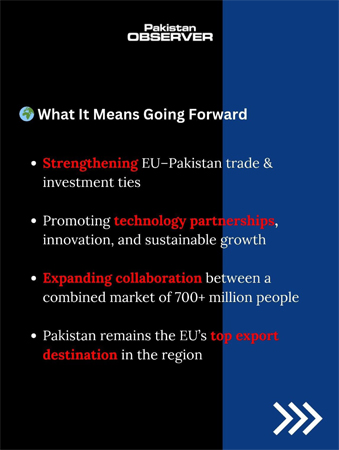
The 2026 EU-Pakistan Business Forum was more than just a two-day event; it was a catalyst for a more resilient economic partnership. By combining the EU’s financial might and technological expertise with Pakistan’s strategic location and growing market, both regions are poised to benefit.
As the forum closed, the sentiment among the 1,000 delegates was one of cautious optimism and renewed energy. With the EU-Pakistan Business Network now operational and the Global Gateway providing a financial roadmap, the path is clear for a relationship that is not just about buying and selling, but about building a shared, sustainable future.
The EU-PKBF 2026 has successfully moved the needle from aid and trade to partnership and investment, setting a benchmark for how developing nations and the European Union can collaborate for the greater good of 700 million citizens.