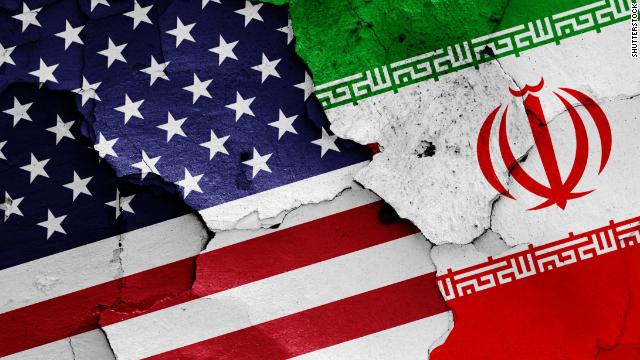
US negotiators head to Islamabad for Iran talks amid rising tensions. The move matters as stalled diplomacy threatens global oil supplies and economic stability. Governments, energy markets, and consumers worldwide are directly affected by the ongoing conflict.
US officials plan to travel to Pakistan for indirect talks with Iran despite Tehran رفض direct meetings. Envoys including Steve Witkoff and Jared Kushner are expected to engage through mediation. Iran’s Foreign Minister Abbas Araqchi arrived in Islamabad but signaled no direct negotiations with US representatives. Instead, Iran plans to communicate its position through Pakistani officials.
Read more: US tells Iran to accept deal soon
Meanwhile, the United States continues to pressure Iran over its nuclear program and regional actions. Defense Secretary Pete Hegseth urged Tehran to accept a verifiable deal. President Donald Trump said Iran may present a proposal but gave no details. Officials noted limited progress in recent days, raising cautious hopes for diplomatic movement.
However, tensions remain high as Iran restricts traffic through the Strait of Hormuz, a key global oil route. The disruption has sharply reduced shipping and pushed energy prices higher. Brent crude surged significantly this week, reflecting uncertainty in global markets. The conflict, now in its ninth week, continues to strain international trade and economic growth.
Read more: US has exhausted billions of dollars worth of weapons in Iran war
Separately, regional ceasefires show mixed results as violence persists in parts of the Middle East. Israel and Lebanon extended a temporary truce, but clashes continue in southern areas. Iran has linked broader negotiations to a ceasefire involving its allies. These developments highlight the fragile path toward de-escalation and the complexity of ongoing diplomatic efforts.