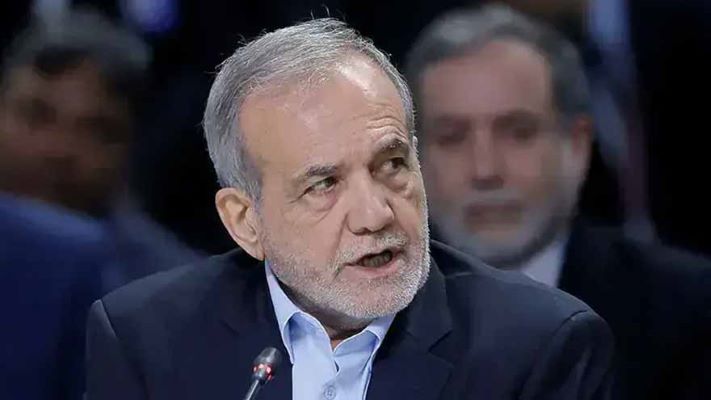
Iran’s president declared national unity and warned any aggressor would face consequences. The statement counters claims of internal divisions within Iran’s leadership. It signals a firm stance affecting regional stability and global diplomatic tensions.
Iranian President Masoud Pezeshkian said the country stands united, rejecting claims of political divisions. He stated there are no “radicals” or “moderates” in Iran’s system. Instead, he described all citizens as committed to the nation and its revolutionary principles. He emphasized that unity between the government and people remains strong and consistent.
Read more: John Kerry reveals past US rejection of Iran war plans
Moreover, Pezeshkian stressed that this unity is rooted in obedience to the supreme leadership. He warned any aggressor targeting Iran would regret its actions. His remarks came through a public post on social media platform X. The message appeared aimed at reinforcing national solidarity during heightened geopolitical tensions.
در ایران ما تندرو و میانهرو وجود ندارد؛
همه ما “ایرانی” و “انقلابی” هستیم و با اتحاد آهنین ملت و دولت، با تبعیت کامل از رهبر معظم انقلاب متجاوز جنایتکار را پشیمان خواهیم کرد.
یک خدا، یک ملت، یک رهبر و یک راه؛ آنهم راه پیروزی ایران عزیزتر از جان.#ایران_ما— Masoud Pezeshkian (@drpezeshkian) April 23, 2026
In addition, other senior officials echoed similar views while dismissing suggestions of internal conflict. Parliament Speaker Mohammad Bagher Ghalibaf rejected claims of factional divisions within the leadership. He said all political actors share the same revolutionary identity and purpose. Likewise, judiciary chief Gholamhossein Mohseni Ejei supported the narrative of unity.
Read more: White House clarifies Iran ceasefire timeline
These responses followed comments by former US President Donald Trump, who alleged divisions within Iran’s leadership. Iranian officials strongly denied those claims and framed them as attempts to weaken cohesion. Overall, the statements reflect Iran’s effort to project strength and deter threats. Analysts say such messaging often rises during periods of increased regional tension.