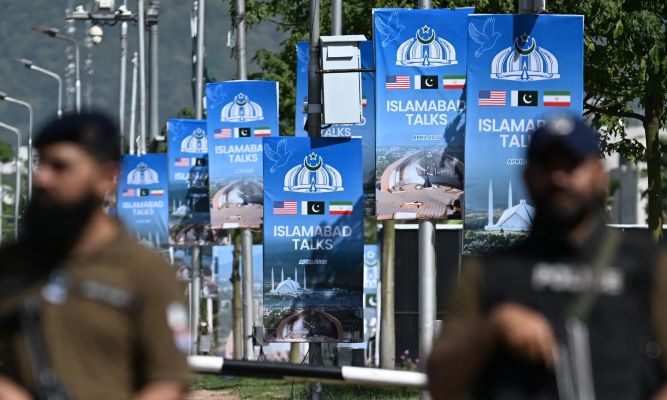
Uncertainty continues over planned US-Iran talks in Islamabad as Tehran signals hesitation. The situation matters because it could delay diplomatic efforts amid rising regional tensions. Iran, the United States, and Pakistan are all central to the unfolding negotiations.
Iranian Foreign Ministry spokesperson Esmaeil Baqaei said no final decision has been made on attending the next round of talks. He said Iran is still assessing conditions and accused the United States of lacking seriousness in diplomacy. His remarks reflected growing distrust between both sides.
Read more: Pakistan to finalise Iran US talks schedule
Iranian parliament speaker Mohammad Bagher Ghalibaf said Tehran is continuing negotiations but remains ready for “necessary measures.” He reiterated that Iran does not trust Washington and warned that escalation could occur at any time. He also referenced previous conflict experiences shaping Iran’s stance.
Meanwhile, Pakistan is preparing security arrangements for possible high-level talks in Islamabad. Authorities have tightened security across the capital and deployed thousands of personnel. However, there is still no confirmation on whether the US delegation will participate fully in the negotiations.
Read more: Pakistan pushes breakthrough in US–Iran nuclear talks –
Tensions increased further after disputes over the Strait of Hormuz and reported military actions at sea. Iranian officials warned that restrictions on oil exports could affect global energy security. Analysts say continued uncertainty could undermine already fragile diplomatic efforts.