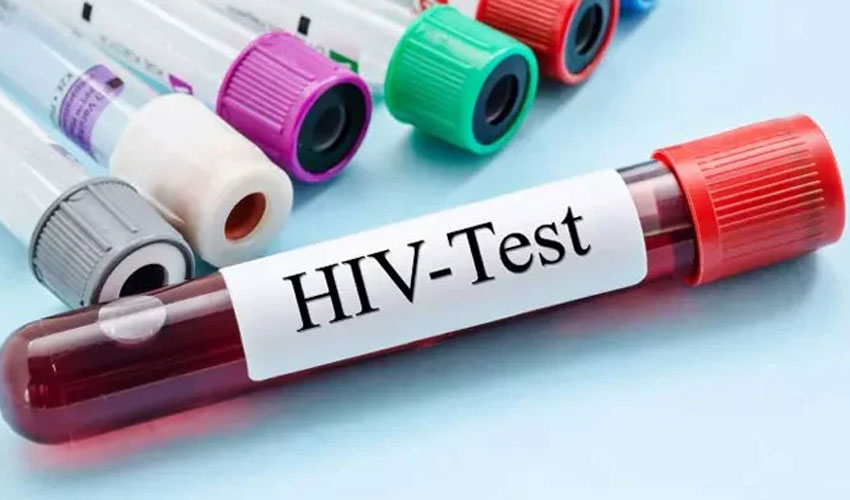
The spread of HIV continues to increase in Islamabad, with official figures showing a worrying rise in new infections over the past year. According to a government report, 618 new HIV cases were recorded between January 2025 and March 2026, highlighting a steady upward trend in the federal capital.
Read More: Sindh reports sharp rise in HIV cases during 2026
The data shows that in 2025 alone, 498 cases were reported, while the average monthly number of new infections stands at more than 41. Health authorities have expressed concern over the continued rise, particularly among younger demographics.
The report indicates that men account for the majority of new cases, with 397 males affected, compared to 106 females. Additionally, 93 cases were reported among transgender individuals and 22 among children. Officials noted that 64 percent of all cases involve adult men, making them the most affected group.
A significant number of cases were recorded in different months, with July 2025 seeing the highest spike at 63 new infections. In contrast, June and December recorded the lowest monthly figures at 31 cases each.
Health experts have pointed to high-risk behavior among young men as a key driver of the spread. They warn that substance abuse, particularly the use of drugs such as “ice,” is contributing to unsafe practices that increase transmission risks. Unprotected sexual activity under the influence of drugs has been identified as a major concern.
Experts also estimate that Pakistan has approximately 350,000 people living with HIV, though many cases remain undiagnosed due to limited testing and awareness.
Authorities have urged increased public awareness, expanded screening programs, and stronger preventive measures to control the spread of the disease. They emphasize that early diagnosis and treatment can significantly reduce health risks and prevent further transmission within communities.
Read More: Alarming HIV surge grips Sindh
The rising numbers in Islamabad have raised concerns about urban public health systems and the need for urgent intervention strategies.