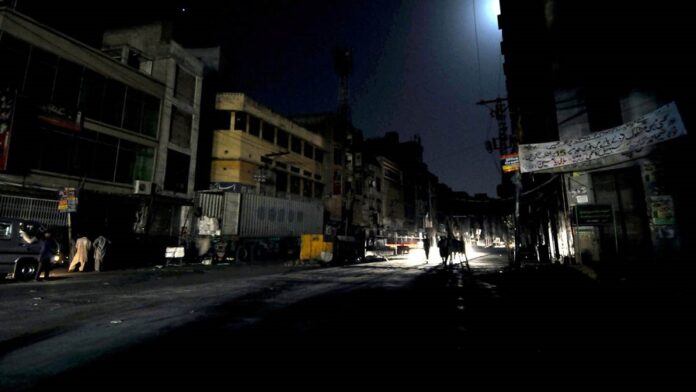
Electricity supply situation across Pakistan has deteriorated further, with unannounced load-shedding increasing in Punjab, including major cities such as Lahore, according to sources.
Read More: Energy shortfall in Punjab crosses 2,000MW
Officials and system operators report that the overall electricity shortfall has exceeded 3,500 megawatts nationwide, placing additional strain on distribution companies (DISCOs). The worsening gap between supply and demand has led to prolonged and unexpected power outages in several regions.
In Lahore and surrounding areas, the shortfall within the Lahore Electric Supply Company (Lahore Electric Supply Company) has reportedly crossed 1,000 megawatts. Residents in multiple urban and rural areas have experienced extended outages, with some areas facing up to 6-hour load-shedding instead of the previously scheduled 2 hours.
Sources linked the crisis to fuel constraints, including shortages of RLNG, hydropower limitations, and reduced oil-based generation capacity. These constraints have reduced the overall electricity production capacity, forcing grid operators to implement emergency load management measures.
The National Transmission and Despatch Company (National Transmission and Despatch Company) is said to be monitoring the situation closely as demand continues to rise, particularly due to seasonal temperature increases.
Officials also noted that the lack of formal load-shedding schedules in some areas has contributed to public frustration, as unplanned outages disrupt daily life, business activity, and industrial production.
Energy experts warn that if supply constraints persist, the situation may continue for several days, especially during peak consumption hours. They emphasise the need for improved fuel management, better coordination among power producers, and enhanced grid efficiency to stabilise supply.
Read More: ’12-hour unannounced load shedding destroying industry’
The ongoing power crisis highlights structural challenges in Pakistan’s energy sector, particularly the imbalance between generation capacity and growing demand.