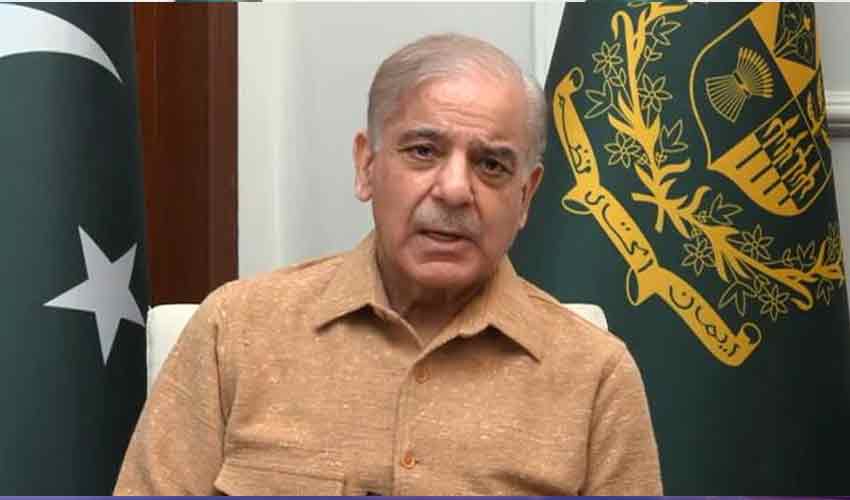
ISLAMABAD: Prime Minister Shehbaz Sharif has announced a major reduction in petrol prices, cutting the rate by Rs80 per litre in a bid to ease the financial burden on citizens amid rising global oil costs.
Read More: Pakistan’s fuel prices increase compared to March 2022
In a televised address, the premier said the new petrol price has been set at Rs378 per litre for one month. The reduction comes after a corresponding decrease in the petroleum levy, forming part of a broader relief package aimed at cushioning the impact of global inflation on the public.
وزیر اعلیٰ پنجاب مریم نواز صاحبہ نے عوام پر بڑھتے ہوئے بوجھ کو کم کرنے کے لیے سرکاری ٹرانسپورٹ بشمول اورنج لائن، میٹرو بس، الیکٹرو بسز اور لال بسوں میں سفر بالکل مفت کر دیا ہے۔ پبلک ٹرانسپورٹ کے ساتھ ساتھ گڈز ٹرانسپورٹ کے لیے بھی بڑے ریلیف کا اعلان کیا گیا ہے جس کے تحت رجسٹرڈ گڈز… pic.twitter.com/WHQoW4ApGh
— PMLN (@pmln_org) April 4, 2026
He noted that Pakistan, like many other countries, is facing economic strain due to surging international oil prices. “The entire world is experiencing inflationary pressure, and Pakistan is also feeling its effects,” he said, acknowledging the difficulties faced by households in managing daily expenses.
The government has already extended subsidies worth Rs129 billion over the past three weeks to prevent the full impact of rising fuel prices from reaching consumers. The prime minister described the situation as an “economic storm” requiring urgent intervention and careful resource management.
As part of the relief measures, motorcyclists will receive a subsidy of Rs100 per litre, targeting low-income commuters. The transport sector will also benefit, with financial support for freight vehicles and public transport buses, including a monthly subsidy to help maintain stable fares.
Additionally, the government has decided not to increase economy-class train fares, ensuring continued affordability for passengers relying on rail services.
Read More: Petrol prices rise due to Middle East war, says Sanaullah
The prime minister said consultations were held with national leadership, including provincial chief ministers, to finalise the package. He also expressed hope that improving global conditions would help stabilise markets and reduce economic pressures in the coming weeks.