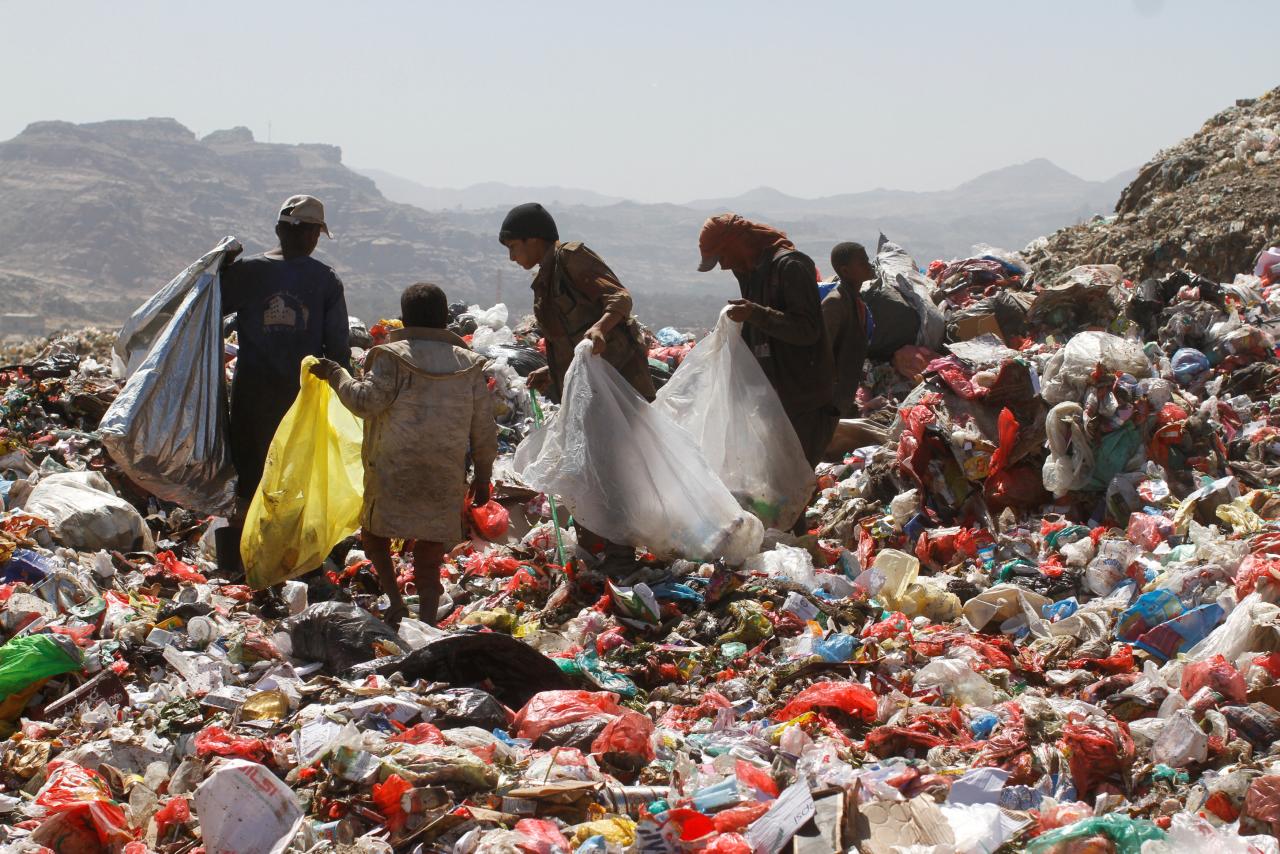
Pakistan is facing a growing food management crisis, ranking among the top global food-wasting nations. More than 120 kilograms of food are wasted per person annually, highlighting inefficiencies in consumption, storage, and supply chains.
At the same time, millions of Pakistanis continue to struggle with food insecurity, lacking access to sufficient and nutritious meals. This stark contrast underscores an urgent imbalance in resource distribution and public awareness.
Experts attribute the problem to multiple factors, including inefficient storage facilities, mishandling during transportation, and over-purchasing at the consumer level.
Urban areas see significant waste from households, restaurants, and events, compounding the nationwide issue. Limited public awareness about responsible consumption further intensifies food loss and environmental strain.
Read more: Food waste rises as Pakistan faces growing crisis
Addressing the challenge requires a coordinated strategy involving awareness campaigns, investment in cold storage infrastructure, and improved supply chain management.
Effective policy implementation is also critical to ensure food reaches those in need rather than being wasted. Authorities and private sector stakeholders must prioritize sustainable practices to tackle the crisis.
Reducing food waste can strengthen Pakistan’s food security, conserve natural resources, and support vulnerable communities. Initiatives targeting consumer habits, business practices, and logistical efficiency can have immediate and long-term impact. Experts emphasize that even small reductions in waste can translate into significant benefits for society and the environment.
Read more: President calls for reducing food waste
The issue also presents an opportunity for policymakers, businesses, and citizens to rethink consumption patterns and build a more sustainable, equitable food system.
Collective action can ensure resources are distributed fairly, improve nutrition for the needy, and promote environmental stewardship. Pakistan’s food management crisis highlights both challenges and potential solutions for a more resilient future.