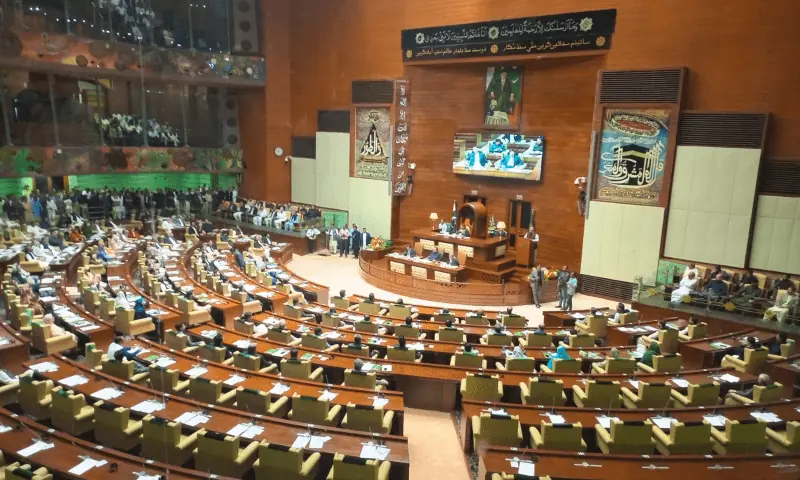
The Sindh Assembly completed its second parliamentary year with more than 500 unanswered questions submitted by lawmakers across different departments. During this period, the House functioned for 56 days, while members observed 25 holidays and held no sessions on 19 additional days. As a result, legislative oversight slowed, raising concerns about transparency and accountability in provincial governance.
In total, lawmakers submitted 1,096 questions during the second year, but government departments failed to respond to over half of them. Moreover, the Chief Minister did not answer any questions related to departments under his direct authority, which further limited parliamentary scrutiny. Although the assembly passed several bills, critics argue that productivity in lawmaking did not match progress in oversight activities.
Read more : Sindh Assembly’s 2nd year marred by low attendance, legislative …
Meanwhile, the House also struggled to activate key internal structures, as elections for four standing committees remained incomplete despite the passage of time. In addition, four assembly seats continue to stay vacant, which affects representation and committee balance. Consequently, administrative gaps have reduced the efficiency of discussions on public issues and delayed structured reviews of government performance.
Over the first two parliamentary years combined, lawmakers passed 48 government bills, showing steady legislative output in terms of formal approvals. However, members submitted 141 adjournment motions to raise urgent public concerns, yet only four were debated on the floor. Similarly, out of 393 resolutions presented, the House approved only 35, while 305 were withdrawn, reflecting limited progress in broader policy discussions.
Read more : Sindh Assembly successfully hosts landmark parliamentary moot
Furthermore, several departments such as prisons, minerals, and general administration did not appear regularly on the assembly’s agenda during the two-year period. Although the House has more than 25 parliamentary secretaries, nearly half did not respond to any questions related to their departments. This pattern highlights weak accountability mechanisms and limited engagement during proceedings, according to parliamentary records.
Finally, the Public Accounts Committee held about 49 meetings during the second year but stopped meeting in the last two months due to disagreements. These interruptions reduced financial oversight and delayed reviews of public spending. As the assembly enters its next session, observers expect stronger participation, improved responses, and better coordination to enhance democratic accountability.