President Donald Trump has stepped back from using force or tariffs to pursue control of Greenland, marking a sharp turn after weeks of tension with European allies and US partners. Moreover, the decision came after strong internal pressure from senior aides who feared the strategy was damaging America’s global standing. During remarks at the Davos summit, Trump ruled out military action and dropped plans for trade penalties. As a result, diplomatic channels have now taken center stage.
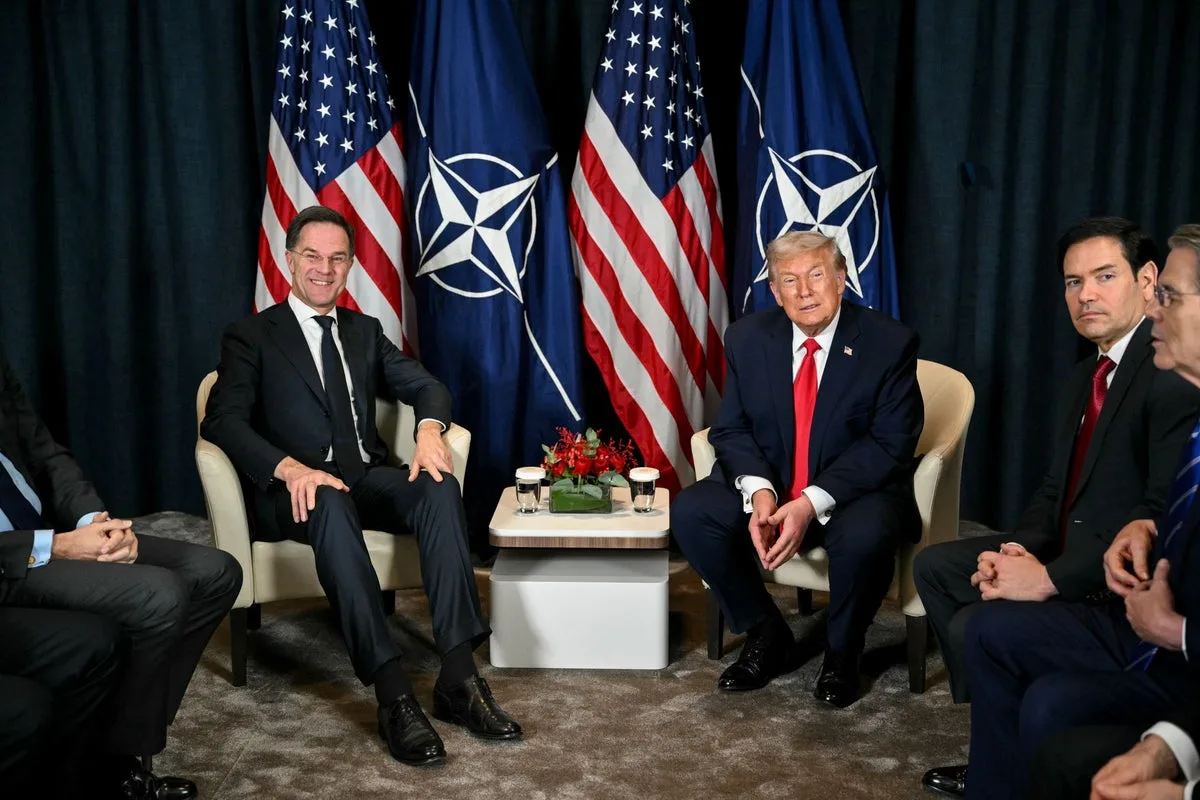
White House officials revealed that several key advisers had pushed for a calmer approach, warning that threats of force would only deepen resistance from Denmark and Greenland’s local leaders. Therefore, they encouraged talks instead of confrontation, even as the president kept the issue in the spotlight. Trump later said he and NATO’s chief had agreed on a framework for future talks about Greenland and the wider Arctic region. This shift suggested a move toward negotiation rather than pressure.
Read more : EU lawmakers stall US trade deal in protest over Greenland
Trump has long argued that Greenland is vital to US national security because of its location in the Arctic, where global powers are competing for influence and resources. However, both Denmark and Greenland have firmly rejected any idea of being bought or controlled by another country. In addition, European leaders have criticized what they see as bullying tactics that undermine international cooperation. These strong reactions added to the pressure on Washington to change course.
The recent tariff threat, which was later withdrawn, had caught many officials off guard and forced government agencies to prepare for possible trade retaliation. Furthermore, the idea of using tariffs was reportedly suggested by some cabinet members who wanted to gain leverage over European partners. When allies pushed back, the White House scrambled to avoid an economic clash that could hurt markets and diplomacy. This internal confusion highlighted the risks of sudden policy moves.
Read more : Trump pushes Greenland agenda amid tough Davos reception
Inside the administration, advisers were divided over how far to go, with some urging restraint while others wanted to keep all options open, including military force. Still, there was no serious plan to seize Greenland, especially since the United States already has a military base there under a long standing agreement. That deal allows US forces to operate freely on the island for defense purposes. Therefore, experts say Washington already enjoys strategic access without needing ownership.
Now, with force and tariffs off the table, the focus has shifted to finding a political and economic deal that respects Greenland’s status while meeting US security interests. Talks between American, Danish, and Greenlandic officials are expected to continue as tensions cool. Although Trump remains interested in the Arctic region, he appears more willing to work within diplomatic limits. For the moment, allies are cautiously hopeful that stability will return to the discussion.