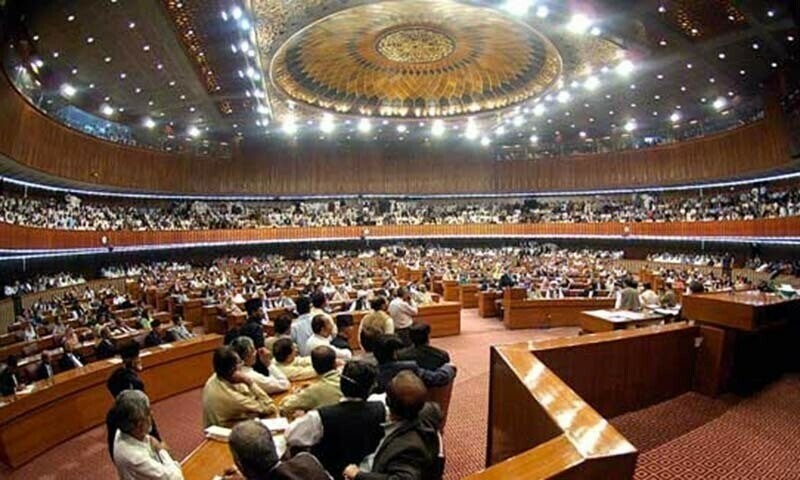
The National Assembly’s performance in 2025 shows strong legislative momentum, as an official report highlights complete approval of government-backed laws alongside limited success for private lawmakers. Overall, the data reflects a clear imbalance between executive-led legislation and individual parliamentary initiatives during the year.
As a result, questions have emerged about inclusivity and space for non-government voices in the lawmaking process.
During 2025, the government introduced 42 bills in the National Assembly, and lawmakers passed every single one without rejection or delay, In contrast, members presented 49 private bills, yet only 13 secured approval, indicating persistent structural challenges for non-government legislation. Therefore, the numbers underline how legislative outcomes largely favor bills backed by the ruling side.
Read more : National assembly backs 27th Amendment with massive majority
In total, Parliament enacted 31 laws throughout the year, reflecting steady legislative activity amid political and governance demands.
At the same time, eight presidential ordinances were presented before the Assembly, showing continued executive reliance on ordinance-based lawmaking.
Consequently, this trend has renewed debate over balancing parliamentary authority with executive power.
The report also shows active coordination between both houses, as the Senate forwarded 16 government bills and 30 private bills to the Assembly Meanwhile, lawmakers in the lower house adopted 25 resolutions addressing various national and policy-related matters. Thus, inter-parliamentary legislative exchange remained an important part of the year’s parliamentary process.
Read more : National Assembly convenes with 15-point agenda
Parliamentary oversight activity remained extensive, with 336 call attention notices submitted to highlight public issues and governance concerns. However, only 53 notices were actually discussed, while 295 motions were moved under Rule 259 during the same period. This gap points to limitations in translating oversight tools into meaningful debate.
On accountability matters, lawmakers submitted 33 privilege questions related to public accounts and institutional conduct during 2025. Additionally, 11 adjournment motions were received, but all were either rejected or lapsed without any formal discussion. Ultimately, the report presents a mixed picture of legislative efficiency and oversight effectiveness.