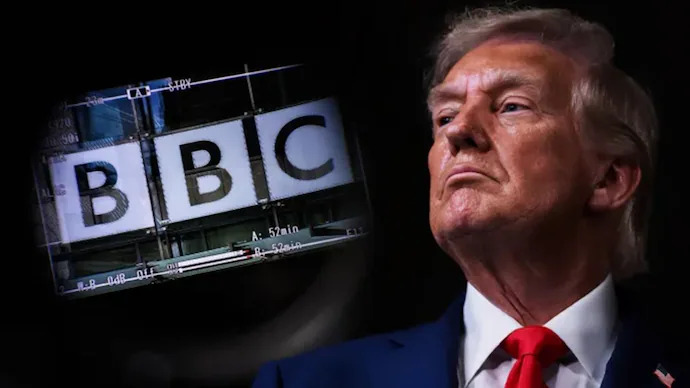
WASHINGTON: US President Donald Trump on Monday filed a defamation lawsuit against the BBC, accusing the British broadcaster of misleading editing that made it appear he encouraged violence during the January 6, 2021 Capitol attack. The lawsuit opens a new front in Trump’s long-running disputes with major media organisations.
Read More: BBC begins search for new leader amid Trump uproar
Trump alleged that the BBC spliced together portions of a speech he delivered to supporters, including remarks urging them to march on the Capitol and the phrase “fight like hell.” He said the broadcaster omitted his call for peaceful protest, creating a distorted and damaging impression.
The lawsuit, filed in a federal court in Miami, claims the BBC defamed Trump and violated a Florida law against deceptive and unfair trade practices. Trump is seeking $5 billion in damages on each of the two counts listed in the complaint.
🚨 BREAKING: Trump files sweeping $10 Billion defamation lawsuit against the BBC 🇬🇧 — alleging deliberate editing of his speech and institutional misconduct that could reshape how transnational media narratives impact U.S. public discourse.
The case goes beyond one documentary —… pic.twitter.com/KMIIX4inCi
— Sayer Ji (@sayerjigmi) December 16, 2025
The BBC definitely need to be taught a lesson and the example made for the media here! Trump just filed a $5 billion defamation lawsuit against the BBC for editing his Jan 6th speech to make it look like he called for an insurrection! pic.twitter.com/Le1bVioBJs
— Johnny Midnight ⚡️ (@its_The_Dr) December 16, 2025
The BBC has already apologised for the edited clip, admitting an error of judgment and acknowledging that the segment could have suggested Trump directly called for violence. However, the broadcaster has maintained that there is no legal basis for the lawsuit.
In court filings, Trump argued that the BBC’s apology did not reflect genuine remorse or meaningful steps to prevent similar issues in the future. His legal team accused the broadcaster of a pattern of biased coverage driven by a political agenda.
The disputed clip appeared in a ‘Panorama’ documentary aired shortly before the 2024 US presidential election. The controversy triggered one of the most serious crises in the BBC’s history, leading to the resignations of two senior officials.
The documentary was not broadcast in the United States, but legal experts said Trump may have filed the case there because British defamation laws impose a one-year filing limit. The BBC could argue that the programme was substantially accurate and caused no reputational harm.
Read More: Apology made, lawsuit denied: BBC responds to Trump controversy
Trump has pursued several defamation cases against media outlets in recent years, with some organisations choosing to settle. Other outlets, including major US newspapers, continue to deny wrongdoing.