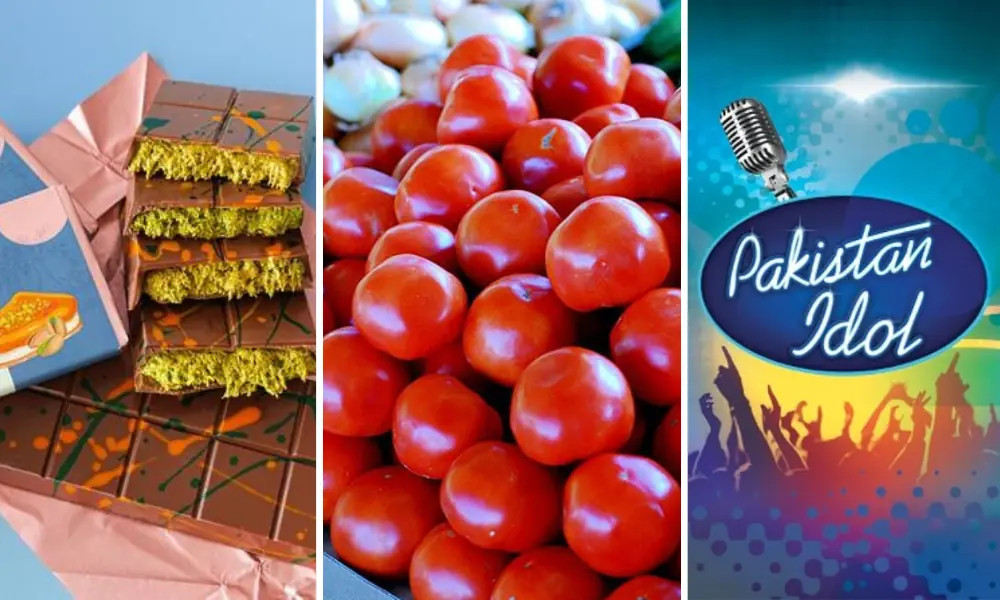
During a recent visit to Pakistan, an overseas Pakistani observed how modern consumer culture has reshaped daily life, where even expressions of love and family bonding are increasingly commodified. In a playful attempt to win the adoration of her TikTok-obsessed nieces and nephews, she bought the viral “Dubai chocolate,” a high-end treat priced at around Rs5,000 per bar, highlighting how luxury consumption now intersects with social status and influence.
The visit also revealed stark economic contrasts. Simple necessities like tomatoes had become scarce due to floods and border closures, underscoring how global and domestic disruptions affect ordinary life. Despite these challenges, content creation thrived, with social media users turning scarcity into viral stories and monetized entertainment.
Television remained a source of fascination and reflection. Watching Pakistan Idol, the visitor was struck by the courage of young performers from ordinary backgrounds pursuing musical dreams despite societal pressures. Interviews with families revealed changing norms, with fathers supporting daughters’ public performances—an opportunity previously denied to women of earlier generations.
The trip also highlighted the influence of economic disparities. Luxury brands, imported goods, and commercialized entertainment coexisted with the everyday struggles of ordinary Pakistanis, painting a vivid portrait of a society negotiating wealth, tradition, and aspiration. The visitor concluded that late-stage capitalism had transformed life into a series of economic transactions, where even cultural and familial experiences could be commodified.