Ahead of the G-20 summit, South Africa has proposed the creation of an international panel on inequality, modelled on the Inter-Governmental Panel on Climate Change. The proposal comes from an ‘Extraordinary Committee of Independent Experts’ tasked with addressing stark global disparities.
The committee highlighted the economic, political, and societal consequences of extreme inequality, noting that one in four people worldwide regularly skip meals, while billionaires’ wealth has reached record highs. It warned that technological advances, including AI and digitalisation, risk exacerbating these disparities if not managed carefully.
Read More: Global Inequality and Slowdowns
Chaired by Nobel Laureate Joseph Stiglitz, the panel stressed the need for better data on inequality and analysis of policies that could either reduce or worsen it. Economist Dani Rodrik added that rebuilding the middle class and reducing global poverty will require innovative approaches beyond traditional policy frameworks.
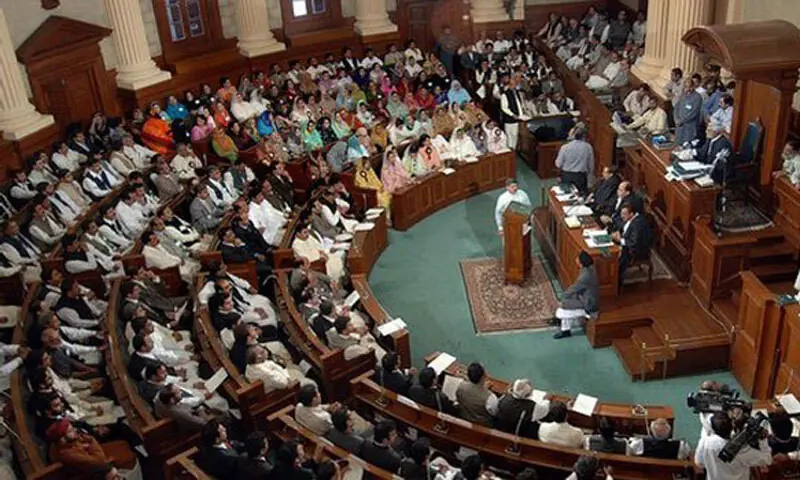
Experts noted that empowering local governments is also critical, using Pakistan as an example where decentralisation could help address socio-economic inequalities at the grassroots level. Despite constitutional provisions under Article 140-A, local bodies remain under-resourced and lack autonomy, leaving national and provincial assemblies to control local development spending.
Read More: Inequality of Wealth Distribution in Pakistan
The committee’s recommendations emphasize international coordination, better knowledge of inequality’s evolution, and grassroots empowerment to tackle global disparities effectively.