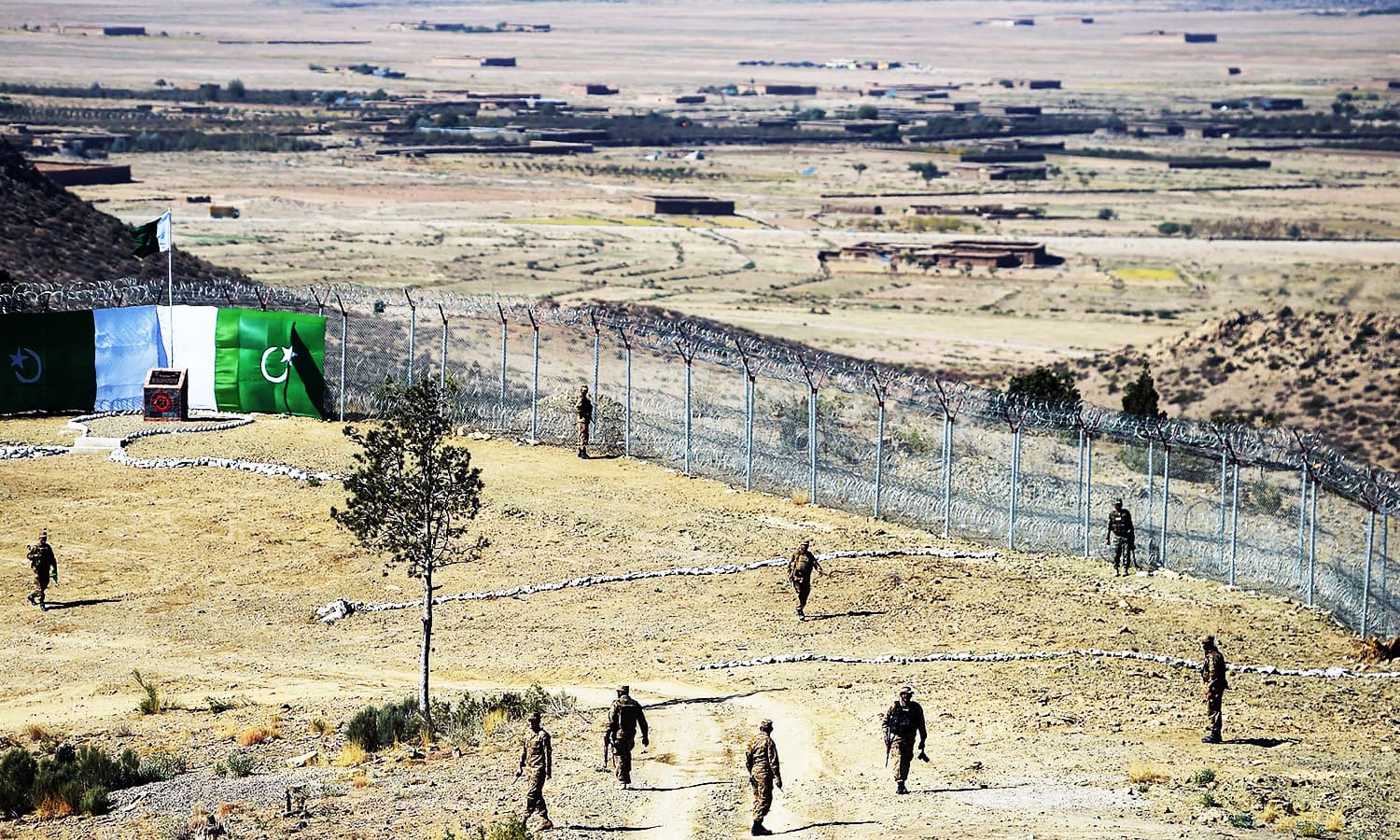
Pakistan and Afghanistan have reached an important understanding to jointly combat terrorism along their shared border, Defence Minister Khawaja Asif announced on Monday. He said the agreement, mediated by Qatar and Turkiye, marks a critical step toward restoring peace, stability, and trust between the two neighboring countries long troubled by cross-border tensions and militant activities.
In an interview, Khawaja Asif emphasized that terrorism has deeply affected both nations, damaging lives, trade, and regional cooperation. He said both sides have now agreed to establish a structured mechanism to eliminate the threat and improve bilateral relations. The minister credited the Emir of Qatar, Sheikh Tamim bin Hamad Al Thani, Turkish President Recep Tayyip Erdoğan, and senior Turkish envoy Ibrahim Kalin for their instrumental role in facilitating the talks that led to this breakthrough.
Read more : /regional-powers-applaud-pakistan-afghanistan-peace-agreement/
The minister revealed that the agreement emerged after weeks of escalating tensions and direct clashes along the Pakistan-Afghanistan border. He noted that both governments have finally acknowledged terrorism as the primary factor straining their relationship. “The Afghan Defence Minister has also admitted that terrorism is the main reason for friction between our nations,” he said, adding that the joint framework aims to tackle this challenge through coordinated intelligence and security cooperation.
A follow-up meeting will be held next week in Istanbul to finalize the agreement’s technical and operational details. Representatives from Qatar and Turkiye will continue to serve as mediators and guarantors to ensure that commitments made by both countries are fully implemented. The session is expected to outline border monitoring procedures, counterterrorism coordination, and mechanisms to prevent future cross-border attacks.
Read more : Doha Talks End with Pakistan-Afghanistan Ceasefire Agreement
Discussing trade and refugee matters, Khawaja Asif stated that once relations normalize, Afghanistan will be able to resume using Pakistani ports, restoring vital trade and transit links. He clarified that Afghan refugees with valid documents will be allowed to remain in Pakistan, while those without legal status will continue to be repatriated in an organized manner. He added that effective border regulation will be essential to sustaining long-term peace and cooperation.
Concluding his remarks, the Defence Minister said it is too early to claim that all differences have been resolved but expressed cautious optimism. “Time will tell how sincerely both sides implement this understanding,” he said. “But one thing remains certain — Pakistan and Afghanistan share geography and destiny, and peace between us is not a choice but a necessity.”