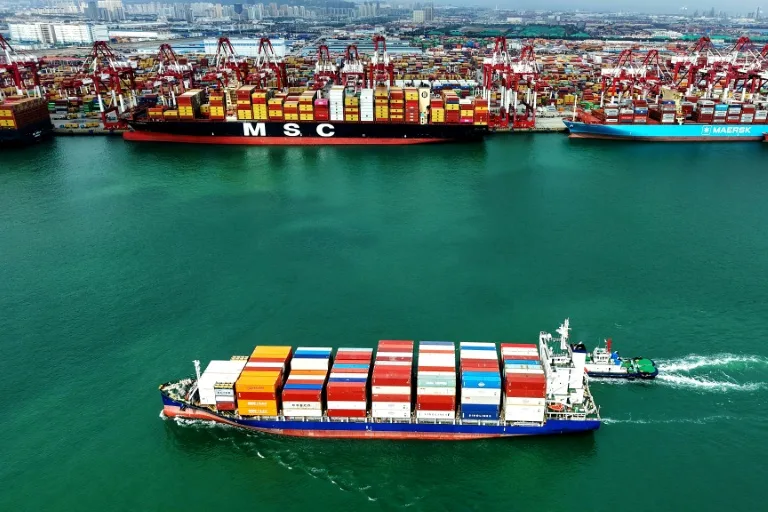
Beijing has accused Washington of escalating trade tensions after US President Donald Trump announced a 100% tariff on Chinese exports and new export controls on critical software. In response, China defended its recent curbs on rare earth exports, calling them lawful and necessary, while criticizing the US for blacklisting Chinese firms and imposing additional port fees on China-linked vessels. The Chinese commerce ministry said these actions have “severely harmed China’s interests” and damaged the atmosphere for ongoing trade negotiations.
The renewed trade dispute has rattled global markets and disrupted business confidence, particularly among industries dependent on China’s rare earth production. Beijing produces over 90% of the world’s processed rare earths—vital materials used in electric vehicles, military radar systems, and aircraft engines. While defending its export controls, China emphasized that these restrictions were aimed at ensuring security and preventing misuse of rare earths for military purposes during a period of “frequent global conflicts.”
Read more : /china-to-boost-practical-cooperation-with-north-korea/
China refrained from announcing immediate retaliatory tariffs, a move analysts believe may indicate that Beijing seeks to leave space for diplomatic engagement. The commerce ministry, however, warned that China “does not want a trade war, but is not afraid of one,” adding that it will take “corresponding measures” if the US continues on its current path. Experts say China’s measured response reflects a desire to avoid further market instability and maintain room for negotiation.
Meanwhile, Beijing also sought to reassure foreign companies unsettled by the new export rules. It clarified that “export controls are not export bans” and that applications for civilian use would still be approved under general licenses. This statement aimed to calm fears among international firms dependent on China’s rare earth supply chains, emphasizing that compliant trade would continue without disruption.
Read more : Beijing Targets U.S. Ships With Special Port Fees
Despite the careful tone, tensions remain high, with markets bracing for further volatility if talks fail. Analysts note that China’s latest statement outlines both its grievances and potential off-ramps for de-escalation, suggesting that the next move lies with Washington. Observers warn that continued tariff escalations could not only derail a planned summit between Trump and President Xi Jinping but also deepen the economic divide between the world’s two largest economies.