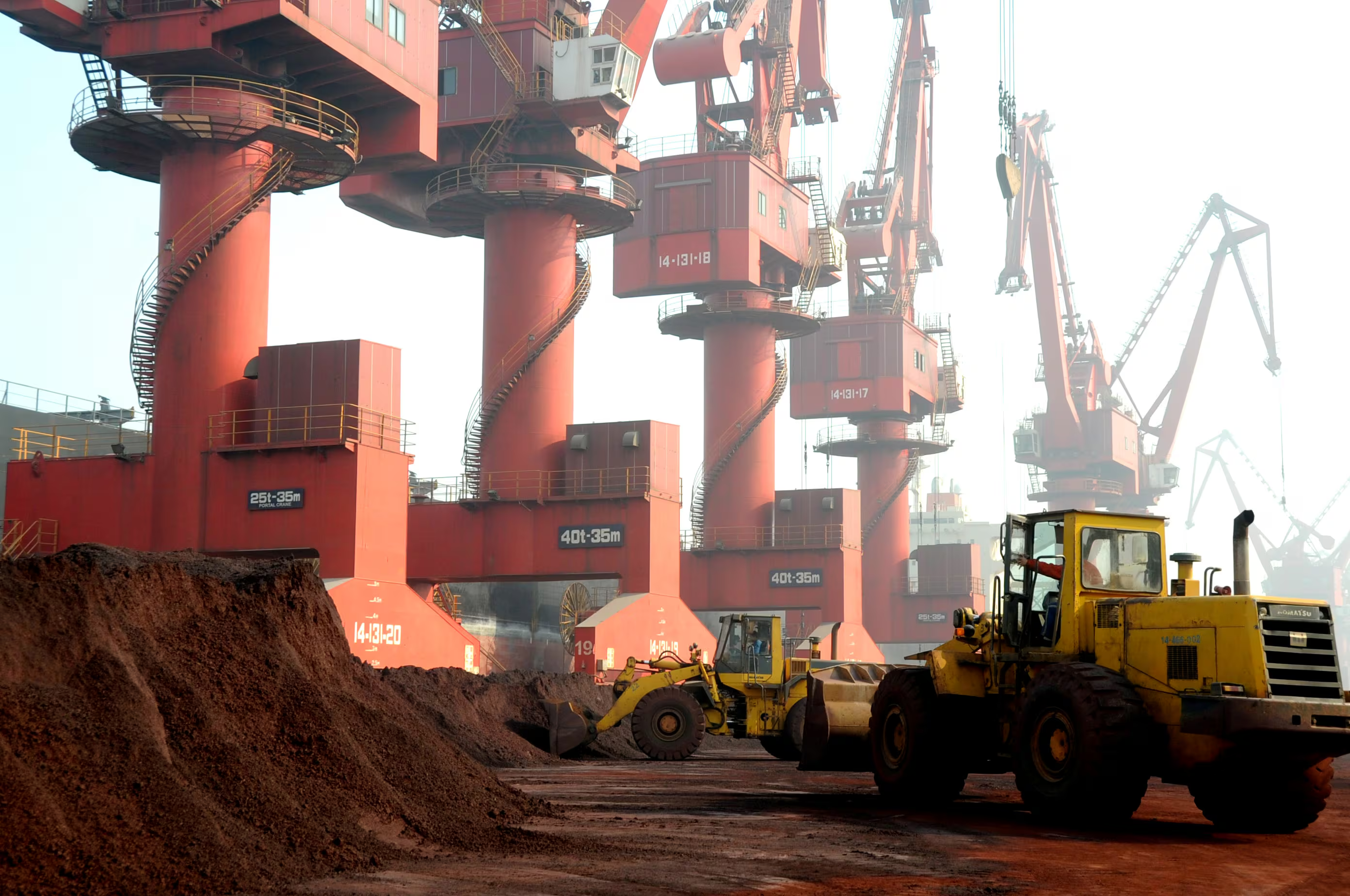
China has tightened its rare earth export controls, expanding restrictions on processing technology and clarifying that defence and semiconductor industries abroad will face stricter limitations. The move comes as Beijing aims to protect its strategic edge in critical minerals used in electric vehicles, aircraft engines, and advanced military systems. This announcement follows months of global concern over China’s dominance, as it produces more than 90% of the world’s processed rare earth materials.
The new rules, issued by the Ministry of Commerce, expand upon sweeping export controls announced earlier this year, which caused temporary shortages across Europe and the United States. Analysts suggest that these tightened measures give Beijing greater leverage in upcoming trade negotiations with Washington, especially ahead of the expected meeting between Presidents Donald Trump and Xi Jinping in South Korea. By reinforcing its control, China signals that it will not easily yield its strategic advantage in global supply chains.
Read more : china-blasts-taiwan-president-over-trump-praise-in-interview/
Furthermore, China’s Ministry of Commerce stated that foreign defence manufacturers would not be granted export licences, while advanced semiconductor users would face case-by-case approvals. The rules target technology related to 14-nanometer or more advanced chips, 256-layer memory chips, and equipment used to develop artificial intelligence with military applications. These materials are essential for manufacturing high-performance devices such as AI chipsets and modern smartphones, raising concerns in global tech industries.
Additionally, China’s restrictions extend to foreign companies using Chinese-made rare earth materials, mirroring U.S. export laws that limit technology transfer. The new extraterritorial rules will take effect on December 1, with other measures effective immediately. Shares of major Chinese rare earth firms, including China Northern Rare Earth Group and Shenghe Resources, rose sharply by 8.3% and 6.3% following the announcement, reflecting investor confidence in China’s tightened control over this sector.
Read more : china-unveils-worlds-first-ever-flying-wind-turbine/
Meanwhile, South Korea’s industry ministry said it is reviewing the new regulations and will continue talks with Beijing to reduce any impact on its chipmakers, including Samsung and SK Hynix. China’s Ministry of Commerce, however, assured that the scope of restricted items would remain limited and that certain licensing facilitation measures would be adopted to maintain a stable market flow. Despite such assurances, global industries remain cautious as the world’s top rare earth supplier continues to flex its strategic dominance in critical technologies.