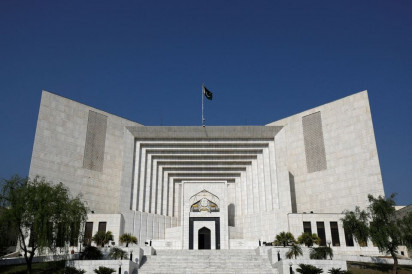
The Supreme Court has ruled that only the Supreme Judicial Council (SJC) can investigate misconduct allegations against superior court judges. In a detailed verdict released Tuesday, authored by Justice Jamal Khan Mandokhail, the court said no judge of the Supreme Court or a high court can initiate contempt proceedings against another judge of the same court. This decision came in a case involving contempt proceedings against Additional Registrar (Judicial) Nazar Abbas.
The court stressed that judicial immunity protects judges in their judicial and administrative roles. The ruling explained that under Article 199(5) of the Constitution, judges enjoy immunity to ensure judicial independence. It further stated that allowing judges to punish fellow judges would cause internal rifts and damage the justice system. The verdict warned such actions could lead to anarchy and erode public trust in the judiciary.
Read more: Supreme court issues new 2025 rules
The order made it clear that only the SJC can handle complaints of misconduct. According to Article 209(7) of the Constitution, no other forum is allowed to inquire into such matters. The ruling declared that the earlier contempt proceedings initiated by a smaller bench against committee members were not valid. It said those members had no role in transferring or fixing petitions, so they couldn’t be held in contempt.
The judgment also criticized the bench that initiated the contempt action. It noted that the judges acted “out of the blue” without clear directions or authority. The six-judge bench said the two-judge bench should have consulted committee members before launching proceedings. The court stressed that cooperation and respect among judges are essential for the judiciary to function properly.
Ultimately, the court quashed the contempt case and reaffirmed judicial hierarchy and procedure. It emphasized that no judge is superior to another in the same court. The verdict concluded that the contempt process against committee members was not sustainable and must be set aside. This ruling reinforces the constitutional framework for judicial accountability in Pakistan.