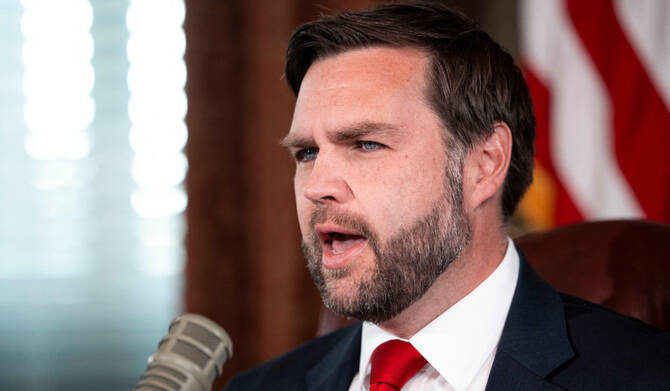
The Trump administration vowed tough action after the Charlie Kirk death, linking the tragedy to leftist groups. Vice President JD Vance hosted Kirk’s podcast from the White House and demanded stronger measures against organizations he claimed threaten unity. Deputy Chief of Staff Stephen Miller pledged federal agencies would dismantle networks accused of promoting violence and disorder.
Miller said the Justice Department and Homeland Security would use all resources to counter what he described as dangerous movements. He also suggested nonprofit entities could face criminal accountability for aiding unrest. However, he offered no direct evidence of such activities. Critics warned Trump might use the Charlie Kirk death to silence political opponents.
Vance went further by naming the Open Society Foundations and Ford Foundation, linking them to criticism of Kirk in The Nation. Both groups denied current funding ties to the outlet. Journalist Elizabeth Spiers, who authored the piece, accused Vance of twisting her words. She stressed her article condemned Kirk’s views but never condoned violence.
The controversy highlights the deep divisions over Kirk’s legacy. Supporters praised him as a Christian voice who energized young conservatives. Opponents labeled him racist and intolerant, pointing to years of derogatory remarks. Civil rights advocates argued his rhetoric marginalized minorities and fueled polarization. The Nation defended its editorial stance as patriotic dissent.
In closing, the Charlie Kirk death has sparked fierce debate and political tension. Trump allies framed it as a call to fight leftist influence. Critics countered that using tragedy for partisan gain risks further unrest. The investigation into the shooter’s true motive remains ongoing.