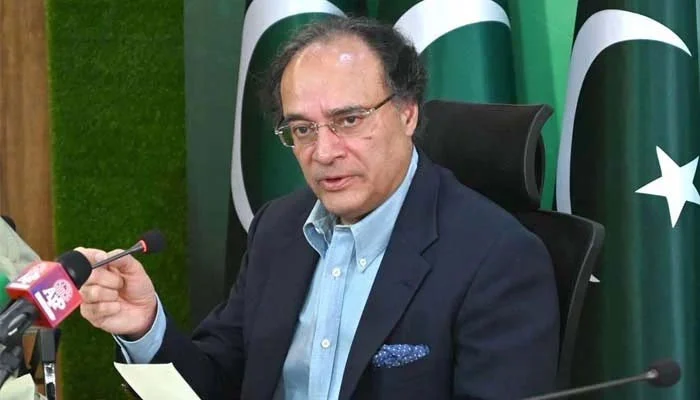
Finance Minister Mohammad Aurangzeb announced on Sunday that the government is fully committed to rehabilitating flood-affected people, stressing that Prime Minister Shehbaz Sharif has already declared a climate and agricultural emergency. Speaking in Kamalia, he said immediate relief remains the top priority while surveys and assessments are underway to evaluate damages to homes, infrastructure, and farmlands.
Aurangzeb praised the timely response of armed forces, Rescue 1122, and district administrations, highlighting that their efforts minimized loss of life in areas such as Toba Tek Singh, Kamalia, and Pirmahal. He added that both the prime minister and Punjab Chief Minister Maryam Nawaz are personally monitoring rescue and rehabilitation operations to ensure maximum assistance reaches the people in need.
The minister confirmed that infrastructure including roads, bridges, and houses suffered severe damage, while agricultural lands faced widespread destruction. He revealed that the prime minister has directed preparation of a long-term action plan, to be finalized within 300 days, ensuring better preparedness for future disasters.
In a significant relief measure, Aurangzeb said electricity bills for August have been suspended in flood-hit areas, noting that those who already paid will be compensated with future adjustments. He warned that strict action would be taken against anyone creating artificial price hikes, stressing that manipulating markets during a national disaster is completely unacceptable.
Aurangzeb further shared that floodwaters are now receding in several areas, allowing for improved access and relief distribution. He assured that the government is transitioning from emergency relief to full rehabilitation, promising that political differences will not obstruct welfare measures during this crisis.
On the economic front, the minister pointed out that falling global oil prices and increasing foreign investment were encouraging signs for Pakistan’s economy. He confirmed that upcoming talks with the International Monetary Fund would also include strategies for rehabilitation and reconstruction in flood-affected regions.