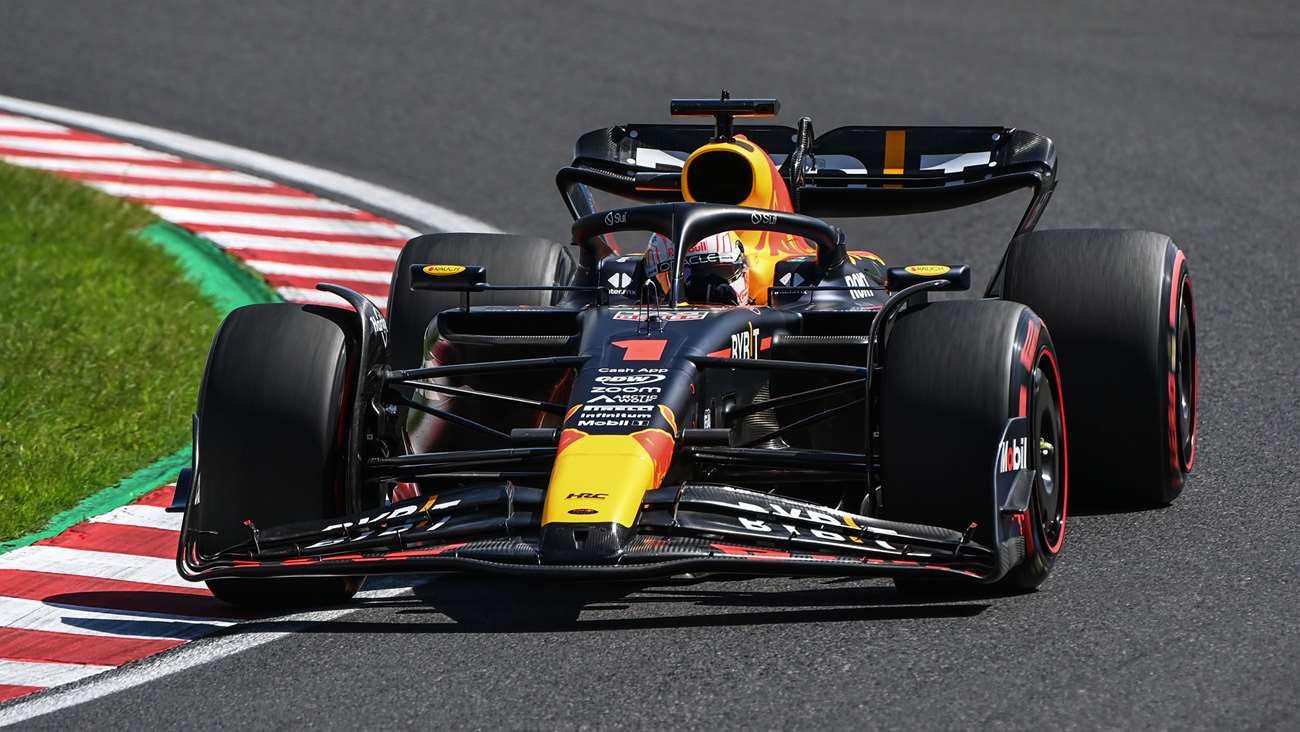
Formula 1, the ultimate motorsport, officially began on May 13, 1950, in the United Kingdom with ten teams and twenty drivers competing fiercely on challenging road circuits. Since then, the sport has evolved into a worldwide sensation, captivating millions of fans globally. Today, F1 is more than just racing, it is the pinnacle of automotive innovation, blending precision engineering, cutting-edge technology, and human skill in ways no other sport can match.
Modern F1 cars are engineering marvels, featuring 1.6-liter V6 turbo hybrid engines paired with energy recovery systems (ERS) that capture heat and movement to boost performance. Together, these engines produce over 1000 horsepower, making them the fastest synchronized racing machines ever built. Drivers face extreme physical forces, up to 5 g in sharp corners, testing their strength, endurance, and focus. Advanced aerodynamics keep the cars firmly on the track at incredible speeds, showing the perfect balance between technology and human skill.
The sport also demands massive investment and constant innovation. Teams spend roughly 193 million euros annually on design, high-tech materials like carbon fiber, engine improvements, and aerodynamic upgrades. Every small modification is carefully tested to push both speed and safety to the limit. Drivers and engineers work tirelessly together, demonstrating how human creativity and advanced technology can transform possibilities into performance on the racetrack.
World Champion Max Verstappen said, “Formula 1 is about pushing boundaries in speed, technology, and human dedication.” This relentless pursuit of excellence drives every driver and team to achieve the extraordinary. Beyond just racing, Formula 1 inspires engineers, scientists, and fans worldwide, proving that passion, innovation, and precision can redefine limits and set new standards in the world of sports and technology.