 Introduction
India’s recent invitation to Pakistan’s hockey team for a tournament signals a return to controlled engagement after years of diplomatic chill. While the move appears conciliatory, it is part of a broader geopolitical strategy: to present India as a great power capable of resolving regional disputes bilaterally, without Western interference.
This report explores how sport—specifically hockey—is politicized, how bilateralism is used as a power projection tool, and how domestic politics intertwine with foreign policy, particularly in the India-Pakistan context.
Crucially, it analyzes the role of trust in propaganda: India’s ability to influence Pakistani public opinion hinges on being perceived as a credible or constructive actor. After repeated misinformation and hostile narratives from Indian media and government, India has lost this trust, limiting its influence within Pakistan. Regaining positive perception is essential before any further propaganda or information warfare can be effective
1. Operation Sindoor & the Politics of Face Saving
India’s re-invitation to Pakistan’s hockey team can also be interpreted as a strategic face-saving measure following reports of a failed covert operation (“Operation Sinsaar”). After setbacks, India often resorts to symbolic bilateral engagements to reclaim narrative control and project diplomatic strength.
Examples:
n Former hockey players in politics (e.g., prominent regional figures)
n Nationalistic political campaigns timed with border tensions or hockey victories
n Use of military operations alongside sporting narratives
for political leverage
2. Bilateralism as a Marker of Great Power Status
Conclusion & Policy Implications
India’s approach to Pakistan through hockey diplomacy reveals a state crafting an image of regional supremacy and global relevance. The politicization of sport and insistence on bilateralism expose both India’s ambitions and its vulnerabilities. The trust deficit in Pakistani public opinion poses a critical barrier to India’s information campaigns. Observers should watch for signs of India attempting to rebuild positive narratives in Pakistan, as these will precede any renewed information warfare or propaganda efforts.
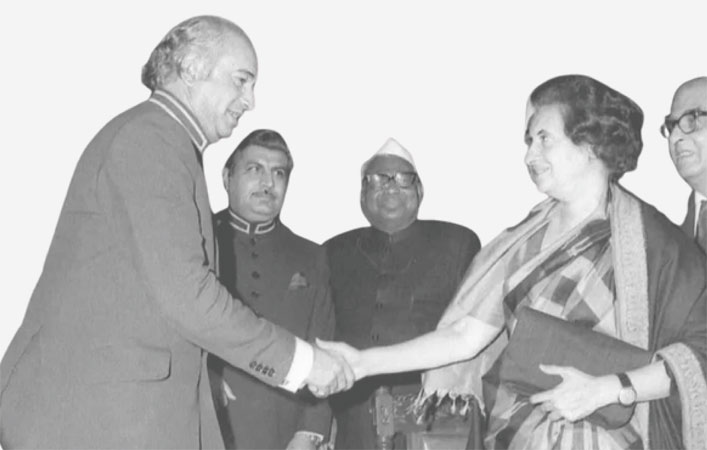
IIndia has consistently insisted that all disputes with Pakistan—especially Kashmir—must be handled bilaterally. This reflects a deliberate foreign policy doctrine: great powers resolve their own problems, without mediation from others. Multilateral involvement, particularly by Western powers, is viewed in New Delhi as undermining India’s autonomy and status
Key Historical Examples:
n 1972 Simla Agreement after the 1971 war
n Post-Kargil diplomacy in 1999
n Repeated rejection of third-party mediation offers, including
by the UN and U.S

3. When Politics Enters Culture & Social Life:
India’s Impact on Cross-Border Relations
Political Restrictions on Pakistani Pilgrims Visiting Major Sufi Shrines in India. Modi government imposed visa curbs and tighter security, severely limiting Pakistani pilgrim access.
Examples:
n Khwaja Moinuddin Chishti — Ajmer Sharif Dargah
(Rajasthan)
n Hazrat Nizamuddin Auliya — Nizamuddin Dargah
(Delhi)
n Hazrat Sheikh Salim Chishti — Fatehpur Sikri
(Uttar Pradesh)
n Sikh Pilgrims Stopped from Visiting Kartarpur Sahib
Cinema caught in controversy:
Ban on Movie “Sardar Ji 3
Broader Impact:
n Politics shapes cultural diplomacy & social interactions
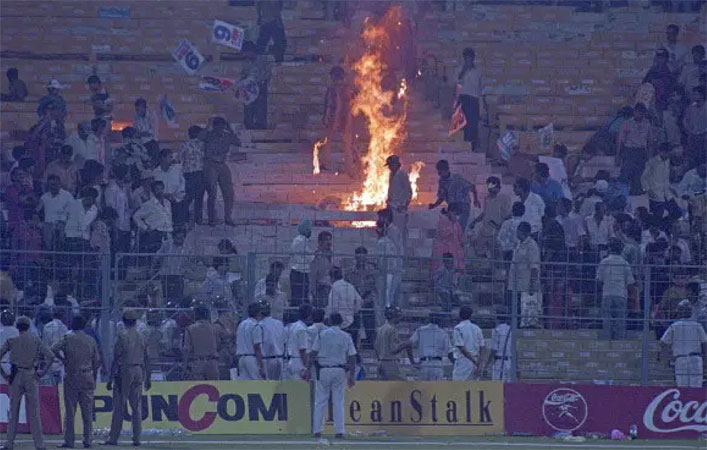
“The India-Pakistan cricket rivalry is one of the great sporting rivalries, but politics around it has ruined opportunities for the game’s growth and diplomacy. India often uses its clout to isolate Pakistan in cricket.” (Analysis, 2023)
n Strains decades-old people-to-people connections
“India’s refusal to play bilateral series with Pakistan, often citing security or political reasons, politicizes what should be a sport and damages relations.” (Interview, 2024)
n Raises questions of identity, security, and political messaging
4. Domestic Political Exploitation of Indo-Pak Tensions
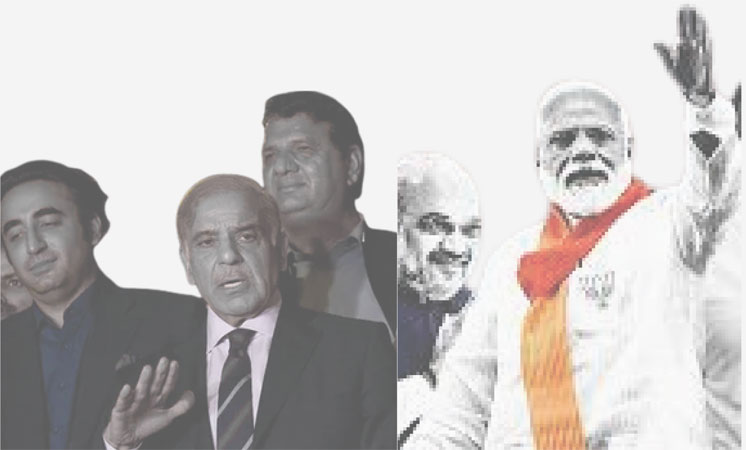
India’s foreign policy toward Pakistan is not only externally focused—it is also used to influence domestic narratives. Political parties often weaponize Indo-Pak tensions to mobilize nationalism. Prominent hockey players have occasionally been inducted into political roles or used as symbols of patriotic strength, further blurring sport and politics.
Examples:
n Former hockey players in politics (e.g., prominent regional figures)
n Nationalistic political campaigns timed with border tensions
or hockey victories
n Use of military operations alongside sporting narratives for
political leverage

5. Sport as Strategic Statecraft: Hockey Edition
Hockey, like cricket, holds immense cultural importance in South Asia. India has used hockey as a diplomatic tool—boycotting or re-engaging with Pakistan depending on geopolitical needs. The latest invitation to Pakistan’s hockey team signals diplomatic maturity but also asserts India’s control over the terms of engagement.
Noteable patterns:
n Boycotts of hockey series following diplomatic tensions
n Withdrawal or refusal to play bilateral matches in key periods
n Invitations timed strategically to project normalcy or regain narrative control

Cricket & Politics: Western Cricketers on India
Pakistan Rivalry
Michael Atherton (England, former captain)
Andy Roberts (West Indies, former fast bowler)
6. Strategic Takeaways
Bilateralism remains a deliberate tool of power projection for India. Hockey serves as a politically charged platform, much like cricket, for diplomatic signaling.
Domestic politics leverage Indo-Pak tensions and sport for nationalistic mobilization.
India’s great power identity is tightly linked to its control over bilateral engagement narratives.
Trust-building is crucial: Without a credible perception, propaganda loses effectiveness.
7. The Trust Deficit: A Key Obstacle to Propaganda
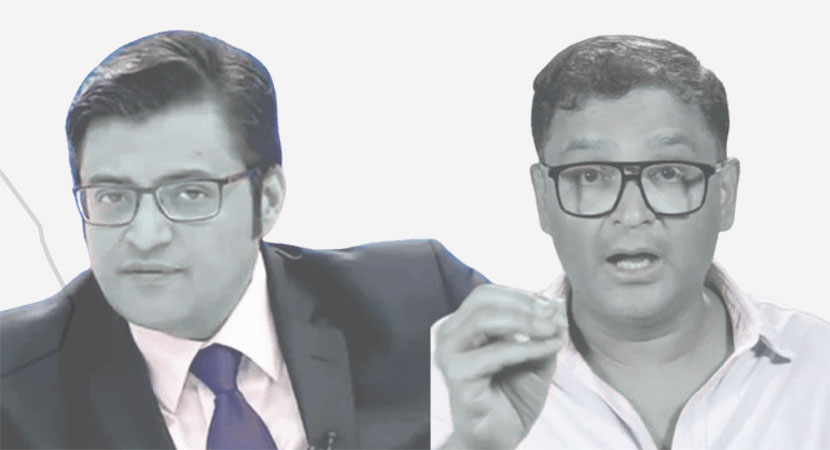
For propaganda and information warfare to succeed, the propagator must first be seen as a credible or constructive actor by the target audience. India’s repeated use of false narratives and hostile media campaigns against Pakistan has significantly eroded trust among the Pakistani populace.
Without regaining some degree of positive perception or constructive presence in Pakistani discourse, India loses leverage to effectively fan hatred or division within Pakistan. This trust deficit means Indian efforts at propaganda often backfire or are ignored. Only if India can shift its image to be remembered in Pakistan as a positive or at least a legitimate interlocutor will it regain the power to influence public opinion through information campaigns or media influence operations.