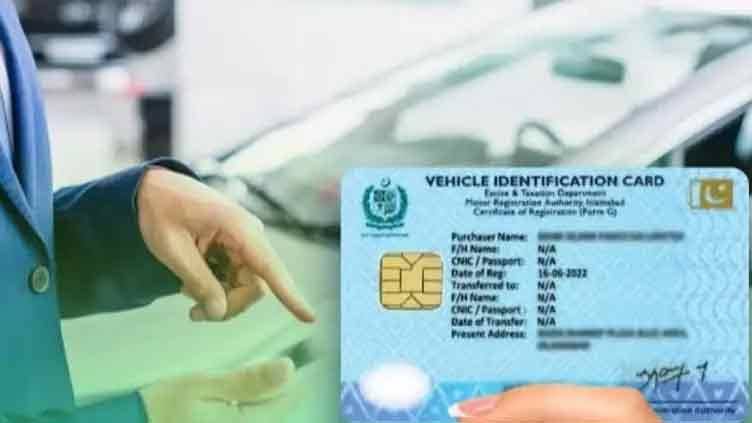
The Islamabad Excise and Taxation Department has launched several digital reforms to improve vehicle-related services, including registration, ownership transfers, and tax payments. These changes aim to make the entire process more convenient and transparent for citizens, while also boosting tax recovery and reducing the need for physical office visits.
One of the key features is the launch of personalised number plates. These plates will now be linked to the owner, not the vehicle. When a vehicle is sold, the old plate is returned to the seller, and the new buyer gets a fresh plate registered under their identity. This initiative will make it easier to trace vehicle ownership and track vehicles for law enforcement and e-challans.
The department is also shifting from physical smart registration cards to fully digital vehicle cards. These will be accessible through NADRA’s Pak-ID system, similar to digital CNICs. With this new system, sellers can apply online for ownership transfer, and once the biometric verification is completed, the new owner will automatically receive the digital card in their Pak-ID account.
Moreover, the department has enhanced its mobile services through the “City Islamabad” app. This app lets users pay token taxes online, calculate fees automatically based on their filer status, and generate payment slips. It works with all major banking apps, helping to reduce congestion at excise offices and offering a more user-friendly experience.
To encourage compliance, the department is offering a 10% rebate on token tax payments made in July. At the same time, they are actively penalising vehicle owners who haven’t paid taxes for two to three years, with fines ranging from 50% to 100% of the original amount. Registrations for long-inactive vehicles are being cancelled as part of a broader cleanup policy.
According to Director Bilal Azam, these reforms are designed to ensure every vehicle in Islamabad is properly registered, taxed, and digitally documented. With over 1.42 million vehicles registered, going digital will make the system more efficient, secure, and responsive to public needs, marking a major shift from outdated manual processes.