By Rimsha Azhar
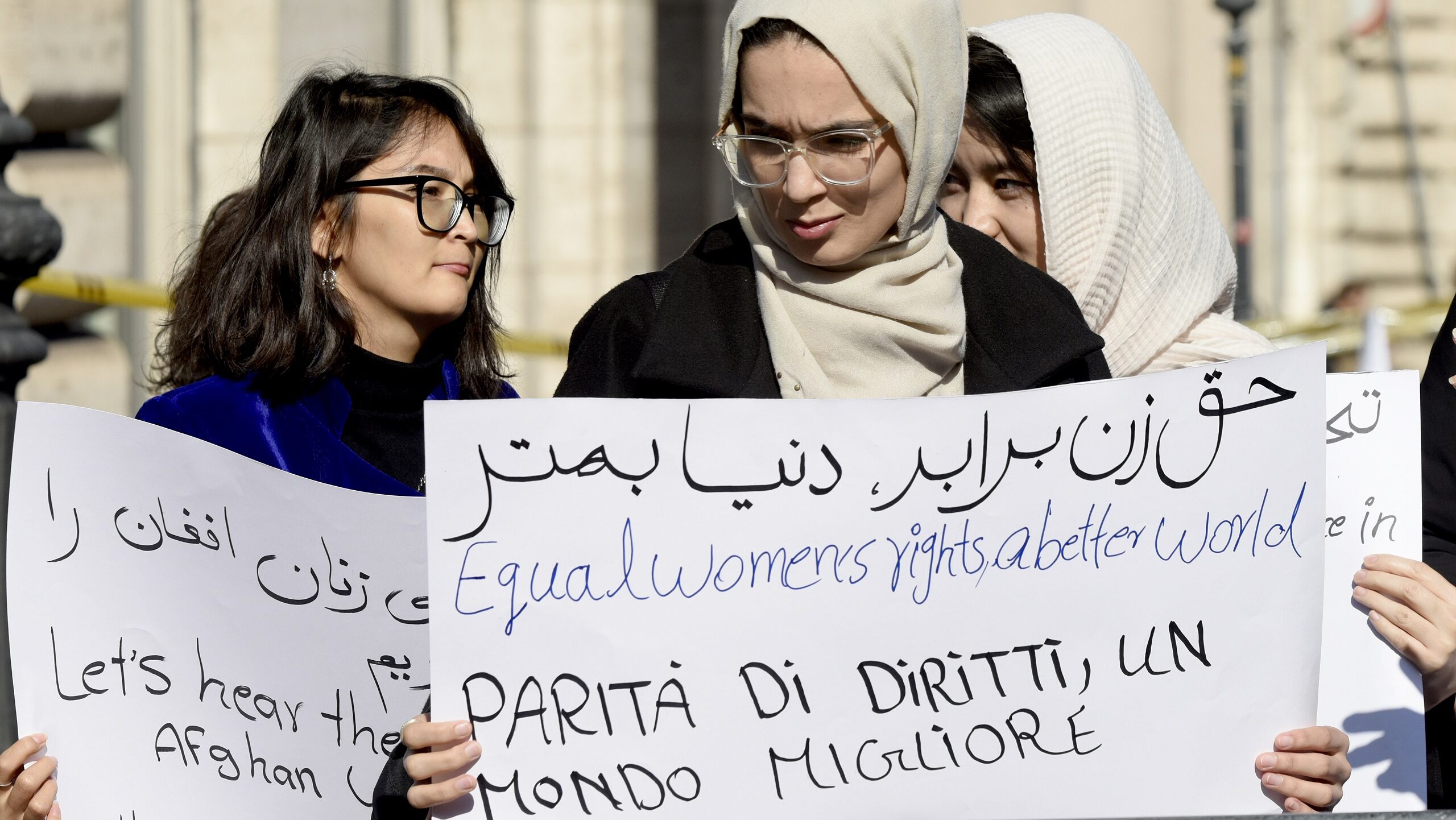
To be a woman in Pakistan is to live in a state of constant self-surveillance. Every step outside involves calculation: of risk, of judgment, of rules that were never hers to write. While men gather freely at chai dhabas and stroll through cities without fear, women adhere to restricted hours, guarded movements, and layers of caution. Their presence in public is not assumed; it is negotiated. There is a stark contrast in how the same streets are experienced. For many men, going out is a form of release. They notice the breeze, the shifting colours of the sky, the camaraderie of spontaneous gatherings. For women, those same streets are territories of potential harm. A walk is not a chance to relax, but a tightrope act of vigilance. She is focused not on the scenery but on exit points, proximity of strangers, and the quiet threat embedded in every passing glance. This is not about isolated incidents but a pattern deeply woven into social life. A man may wander aimlessly at night to clear his head; a woman may think twice before stepping out at all. She plans her return before she leaves. She chooses routes for visibility, not beauty. She holds her keys a certain way. The street was never hers. This denial of public space is not only physical. It becomes emotional, social, and psychological. Women learn to shrink not just their presence but their spontaneity. They speak softly, walk purposefully, laugh quietly, and sit cautiously. Their bodies are policed, and so are their emotions. This restriction extends beyond the street into the very structure of their lives. Where young men maintain friendships through unplanned hangouts and easy access to communal life, women often watch their social worlds narrow with age. Before marriage, socializing is filtered through parental control. After marriage, it is negotiated through in-laws or spouses. Many friendships dissolve not through conflict but through cultural expectation. The erosion is quiet but permanent. Embedded in all this is a deeper truth about gender and power. A woman’s mere presence in public is treated as a transgression, not a right. She is often expected to prove she belongs, justify her clothing, temper her voice, and watch her surroundings. Men do not think twice before taking up space; women are taught from childhood to take up less. This internalized policing is not accidental. As theorists like Judith Butler have noted, gender is not just biologically assigned but socially enacted through repeated behaviors, expectations, and restrictions. In Pakistan, those performances are choreographed by patriarchal norms so deeply normalized that many women enforce them upon themselves. They decline invitations after dark, avoid certain corners of the city, and silence their discomfort to avoid confrontation. The social order survives through this quiet compliance. Space is not the only thing denied. So is ease. So is comfort. So is the simple pleasure of feeling unguarded. This is why conversations about gender equality must go beyond numbers. The question is not only how many women are educated or employed, but how many can step outside without clutching their phone like a lifeline. Can a woman walk without adjusting her dupatta in reflex? Can she occupy a seat without anticipating being moved? Can she be out after dark without crafting an excuse? Until those answers begin to change, equality remains performative. Public space in Pakistan is not just a matter of infrastructure but of ideology. It reflects who is welcome and who is merely tolerated. The more women are told to limit themselves for their own safety, the more the burden of harassment shifts from the perpetrator to the potential victim. The message remains unchanged: this city is not yours. But the truth is, it should be. Women deserve to wander without justification, to walk without fear, to be present without apology. They deserve friendships that are not measured against their marital status. They deserve streets that do not demand vigilance as the price of freedom. And above all, they deserve a society that does not treat their existence as something to manage. We speak of rights, of reforms, of representation. But perhaps the most radical test of equality is the simplest one: can a woman go outside and feel as unburdened as a man? Can she just exist, freely, fully, and without fear?