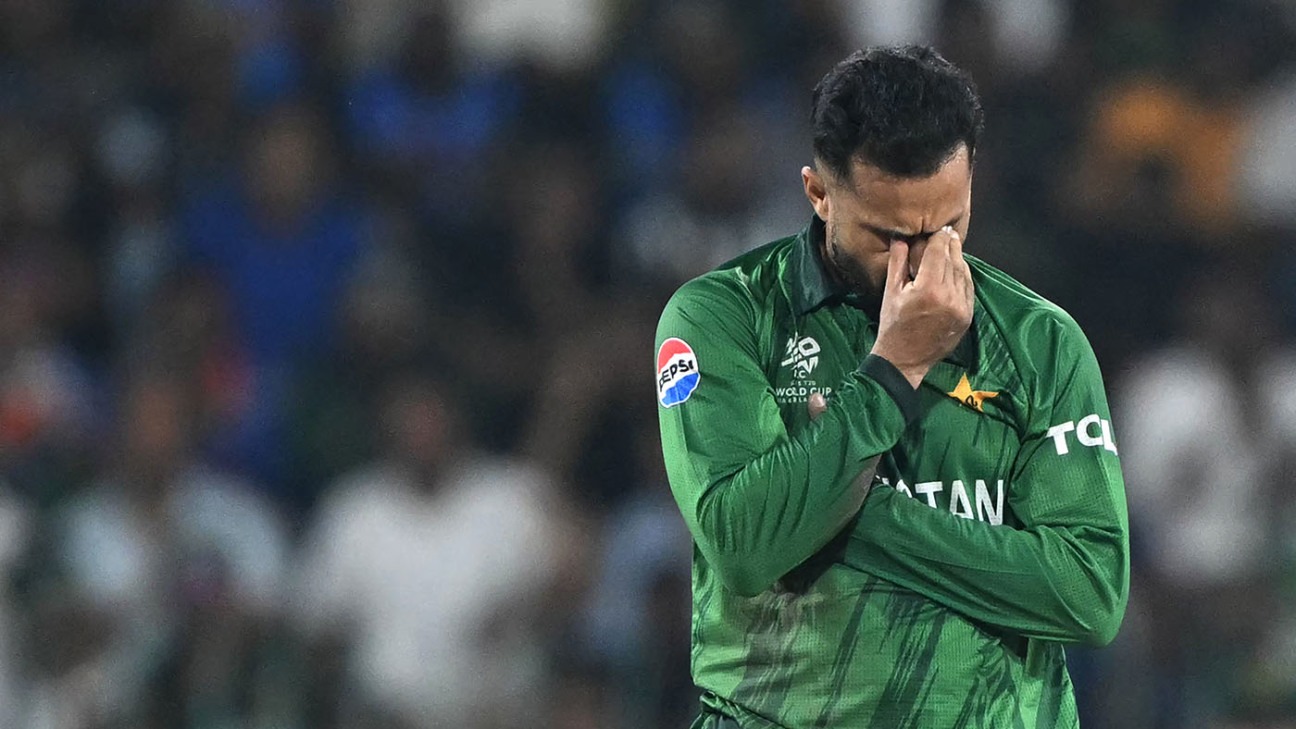
Pakistan spinner Mohammad Nawaz has received a three-month ban after admitting to a violation of the ICC Anti-Doping Code. Officials collected his sample after Pakistan’s T20 World Cup 2026 match against the Netherlands on February 7. Later testing found carboxy-THC, a prohibited substance under anti-doping rules. As a result, the governing body opened disciplinary proceedings against the experienced all-rounder.
The ICC confirmed that Nawaz accepted responsibility for the violation and agreed to the sanctions. Consequently, the governing body imposed a three-month suspension, although it offered a possible reduction through rehabilitation. Officials stated that the ban could be shortened to one month if he successfully completed an approved treatment and recovery program. This provision encouraged compliance and rehabilitation rather than imposing a longer punishment.
Read more : Hat-trick hero Nawaz leads Pakistan to tri-series win
Meanwhile, Nawaz voluntarily accepted a provisional suspension that began on May 1, 2026. By taking this step, he started serving the penalty before the case reached its conclusion. The ICC noted that his cooperation throughout the process played an important role in resolving the matter. Furthermore, the player followed all required procedures during the investigation and disciplinary review.
Nawaz explained that he used the prohibited substance outside competition and not for improving sporting performance. After reviewing the circumstances, the ICC accepted that the case did not involve a performance-enhancing drug during active competition. Therefore, the governing body treated the matter differently from cases involving substances intended to gain an unfair advantage. This distinction influenced the final outcome and rehabilitation requirements.
Read more : Nawaz grabs 5 wickets as Pakistan whitewash Australia in T20 series
In addition, the ICC confirmed that Nawaz completed two and a half months of suspension and fulfilled the approved rehabilitation program. As a result, officials lifted his provisional suspension and decided against imposing any further period of disqualification. The successful completion of treatment allowed the case to move toward closure. Consequently, Nawaz became eligible to return after meeting all conditions set by the governing body.
However, the disciplinary action still carried sporting consequences beyond the suspension itself. The ICC declared Nawaz’s match against the Netherlands on February 7, 2026, void, along with all of his individual results recorded until May 1, 2026. Officials said these sanctions form part of the standard measures outlined in the ICC Anti-Doping Code. The decision closes the case while reinforcing the importance of maintaining anti-doping standards across international cricket.