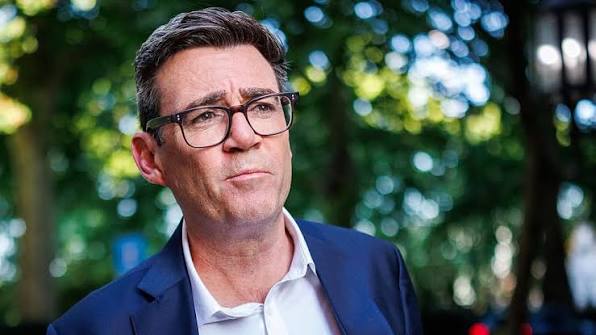
Andy Burnham is set to become leader of Britain’s governing Labour Party on Friday, paving the way for him to replace Keir Starmer as the United Kingdom’s prime minister on Monday.
Read More: Burnham in sight of Downing Street wins top UK union support
Burnham, 56, is expected to secure overwhelming backing from Labour lawmakers during a party conference, making his election largely a formality. He will become Britain’s seventh prime minister in a decade, inheriting the leadership at a time of growing political pressure and declining public support for the outgoing government.
Known as the “King of the North” for his advocacy as Mayor of Greater Manchester, Burnham built his reputation by championing greater regional autonomy and investment outside London. His leadership campaign has centred on a promise to rebalance power across the UK, arguing that stronger regional governance can reduce inequality and address frustrations that have fuelled support for the populist Reform UK party.
Burnham returned to Parliament last month after winning the Makerfield by-election, beginning the formal process that will see him succeed Starmer. In his first major speech since re-entering Westminster, he pledged to oversee the “biggest rebalancing of power” from London to the country’s regions.
Labour lawmakers have largely united behind Burnham, believing his regional focus and political profile offer the party its best chance of countering the growing popularity of Nigel Farage’s Reform UK, which has led several opinion polls ahead of the next general election due by 2029.
Political analysts say Burnham faces immediate challenges after taking office, including improving Labour’s standing with voters while delivering on ambitious long-term reforms. He is also expected to unveil a new cabinet after officially becoming prime minister.
Read More: Burnham parliament win piles pressure on Starmer
Observers believe his ability to translate regional development plans into tangible economic improvements will be critical as Labour seeks to restore public confidence and fend off mounting political competition in the years ahead.