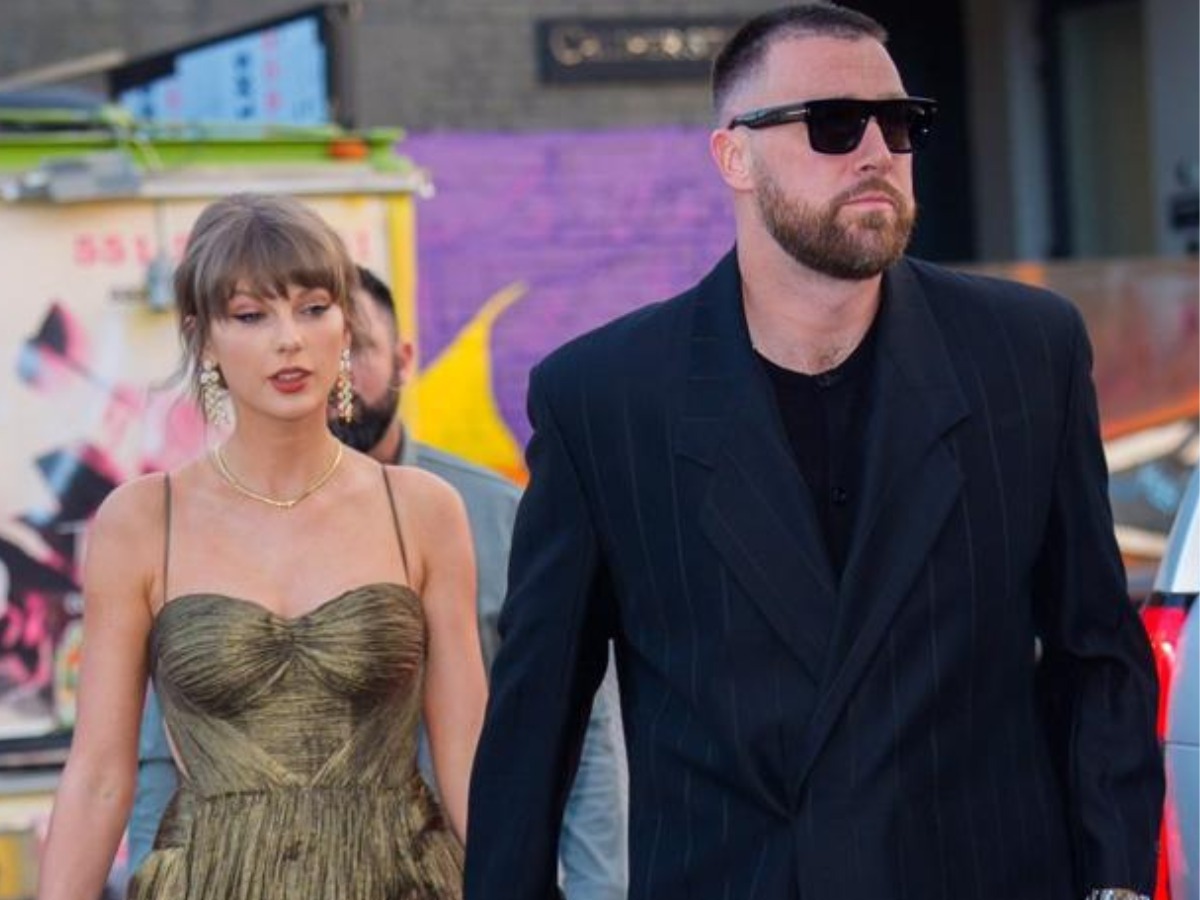
Tavia Hunt has publicly dismissed online claims about the wedding of Taylor Swift and Travis Kelce, saying social media rumors misrepresented what actually happened during the celebration. Her comments came after viral posts alleged poor event organization, including seating issues, long food lines, and a shortage of champagne. Hunt insisted those descriptions did not reflect the experience of guests who attended the ceremony.
Read more : Taylor Swift shuts down plagiarism lawsuit with court victory
Responding through social media, Hunt rejected claims that guests remained standing throughout the ceremony or struggled to access refreshments during the reception. She stated that every guest had a seat, champagne remained available, and the event ran smoothly from beginning to end. Furthermore, she criticized the spread of unverified stories, describing them as inaccurate and based on hearsay rather than firsthand knowledge.
Hunt also defended the wedding ceremony itself, praising the couple’s vows as heartfelt, emotional, and beautifully presented. She said the ceremony created a memorable atmosphere that exceeded expectations despite being held inside the large venue. According to her account, the event successfully combined elegance, warmth, and intimacy, leaving a lasting impression on those in attendance.
Read more : Taylor Swift marries Travis Kelce in New York
Other invited guests also shared positive reactions after the celebration, reinforcing Hunt’s description of the event. Television personalities praised the ceremony for its emotional moments, personal vows, and carefully planned atmosphere. They described the wedding as surprisingly intimate despite taking place in a venue normally associated with major sporting events and large-scale entertainment.
The differing accounts have highlighted how quickly celebrity events can become the subject of online speculation and misinformation. While rumors continue circulating across social media platforms, several attendees have publicly defended the celebration and challenged inaccurate claims. Their responses suggest that firsthand accounts often provide a clearer picture than unverified online narratives surrounding high-profile occasions.