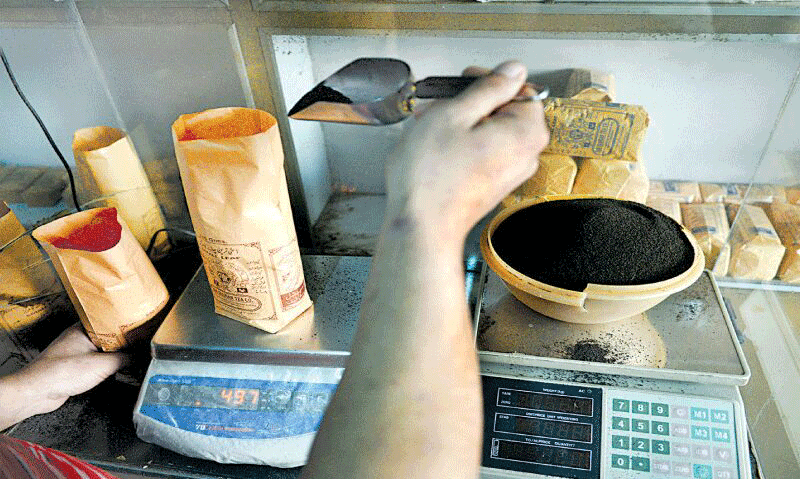
Tea prices in Pakistan may rise if Kenya proceeds with a proposed 0.8% levy on tea exports, importers warned during recent discussions with Kenyan officials in Islamabad. The warning comes amid concerns that the added cost could increase import expenses and ultimately affect local consumers.
The issue was raised in a meeting held at the Kenya High Commission in Islamabad with representatives from the Tea Board of Kenya and the Ministry of Investment, Trade and Industry. Importers urged Kenyan authorities to withdraw the levy, which was originally announced in May and remains under consideration.
Pakistan Tea Association Chairman Muhammad Altaf said Pakistan is one of the largest buyers of Kenyan tea, importing about 36% of Kenya’s total annual production of nearly 550 million kilograms. He noted that additional volumes also enter Pakistan through regional trading hubs, increasing overall dependency on Kenyan supply.
Furthermore, Altaf warned that the proposed levy would add pressure to already rising import costs. He highlighted factors such as higher freight charges, packaging expenses, and regional economic challenges that are already pushing tea prices upward in the domestic market.
Consequently, importers believe the additional cost burden would be passed directly to consumers, contributing to food inflation and reducing overall tea consumption. They also cautioned that rising prices could disrupt business activity across the supply chain, from importers to retailers.
Finally, Altaf said importers may explore alternative sourcing options if the levy is implemented, including suppliers from Sri Lanka, Indonesia, Bangladesh, and other African countries. The Pakistan Tea Association has also requested exemptions for tea exports specifically destined for Pakistan to avoid further price pressure.